
About This Book
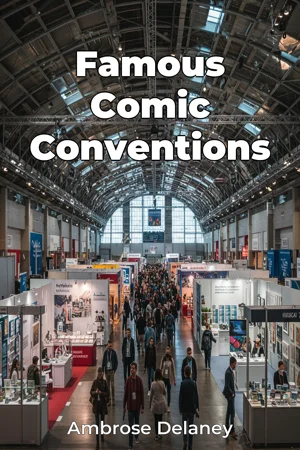
How did gatherings initially for niche comic book enthusiasts evolve into sprawling, multi-million dollar pop culture phenomena attracting hundreds of thousands of attendees annually? "Famous Comic Conventions" delves into the captivating history and cultural impact of these events, examining their transformation from small-scale meetings to colossal celebrations of art, storytelling, and fandom. This book addresses the key question of how comic conventions became central hubs for commerce, creativity, and community within the broader landscape of popular culture. The book explores three major themes: the historical evolution of comic conventions, the economic impact of these events on local and global scales, and the sociological aspects of fandom and community building fostered within these spaces. Understanding these themes is vital because comic conventions serve as barometers of popular trends, powerful engines of economic activity, and significant cultural spaces where identities are formed and celebrated. Comics conventions began as relatively small gatherings of collectors and enthusiasts, primarily focused on buying, selling, and trading comic books. Over time, these events expanded to include artists, writers, publishers, and eventually, actors and other media personalities. This evolution reflects broader shifts in the comics industry, the rise of superhero films and television shows, and the increasing mainstream acceptance of previously niche hobbies. The central argument of "Famous Comic Conventions" is that these events have become indispensable engines of pop culture, not merely reflecting trends but actively shaping them. Their importance lies in their role as crucial meeting points between creators, consumers, and the content they love, fostering a vibrant ecosystem of creativity, commerce, and community. The book is structured to provide a comprehensive overview. The first section introduces the early days of comic conventions, tracing their origins and development. The second section examines the economic impact of modern conventions, analyzing revenue streams, attendee spending habits, and their effects on tourism and local businesses. The third section explores the sociological dimensions, focusing on the diverse communities that form around fandom, cosplay, and shared interests. Finally, the book looks at the future of comic conventions, considering the challenges and opportunities facing these events in an ever-evolving media landscape. The analysis presented relies on a diverse range of evidence, including archival materials from early conventions, economic data on convention spending, surveys and interviews with attendees and industry professionals, and case studies of successful and less successful conventions. Unique data sources, such as attendance figures and exhibitor lists from past conventions, are analyzed to identify trends and patterns. The book connects to several interdisciplinary areas, including media studies, cultural economics, and sociology. Connections to media studies are evident in the analysis of how conventions promote and shape media narratives. Links to cultural economics are clear in the examination of the economic impact of these events. The sociological aspects delve into the dynamics of fandom and community. These interdisciplinary connections enrich the book's argument by demonstrating the multifaceted importance of comic conventions. This book offers a unique perspective by examining comic conventions not just as commercial events, but as complex cultural phenomena that reflect and influence broader societal trends. It moves beyond simple descriptions to analyze the underlying forces that have shaped these events and their continuing relevance. The tone is informative and accessible, aiming to engage both academic readers and enthusiasts. The writing style prioritizes clarity and accuracy, presenting complex information in a way that is easy to understand. The target audience includes students and scholars interested in popular culture, media studies, and event management, as well as comic book fans and convention attendees. This book provides valuable insights into the history, economics, and social dynamics of these events, making it useful for both academic study and personal enrichment. As a work of non-fiction, "Famous Comic Conventions" emphasizes factual accuracy and thorough research. It adheres to the conventions of academic writing, including clear sourcing, detailed analysis, and objective presentation of information. The scope of the book is limited to major comic conventions primarily in North America, with some discussion of influential international events. While smaller, more regional conventions are acknowledged, the focus remains on those that have had the most significant impact on the industry and popular culture. The information in this book can be applied practically in several ways. Event organizers can use it to improve their strategies for attracting attendees and generating revenue. Marketers can gain insights into consumer behavior and the power of fandom. Academics can use it as a starting point for further research into popular culture and media events. While largely celebratory, the book acknowledges ongoing debates regarding issues such as inclusivity, representation, and the commercialization of fan culture within comic conventions. These debates are presented fairly, with consideration given to multiple perspectives.
How did gatherings initially for niche comic book enthusiasts evolve into sprawling, multi-million dollar pop culture phenomena attracting hundreds of thousands of attendees annually? "Famous Comic Conventions" delves into the captivating history and cultural impact of these events, examining their transformation from small-scale meetings to colossal celebrations of art, storytelling, and fandom. This book addresses the key question of how comic conventions became central hubs for commerce, creativity, and community within the broader landscape of popular culture. The book explores three major themes: the historical evolution of comic conventions, the economic impact of these events on local and global scales, and the sociological aspects of fandom and community building fostered within these spaces. Understanding these themes is vital because comic conventions serve as barometers of popular trends, powerful engines of economic activity, and significant cultural spaces where identities are formed and celebrated. Comics conventions began as relatively small gatherings of collectors and enthusiasts, primarily focused on buying, selling, and trading comic books. Over time, these events expanded to include artists, writers, publishers, and eventually, actors and other media personalities. This evolution reflects broader shifts in the comics industry, the rise of superhero films and television shows, and the increasing mainstream acceptance of previously niche hobbies. The central argument of "Famous Comic Conventions" is that these events have become indispensable engines of pop culture, not merely reflecting trends but actively shaping them. Their importance lies in their role as crucial meeting points between creators, consumers, and the content they love, fostering a vibrant ecosystem of creativity, commerce, and community. The book is structured to provide a comprehensive overview. The first section introduces the early days of comic conventions, tracing their origins and development. The second section examines the economic impact of modern conventions, analyzing revenue streams, attendee spending habits, and their effects on tourism and local businesses. The third section explores the sociological dimensions, focusing on the diverse communities that form around fandom, cosplay, and shared interests. Finally, the book looks at the future of comic conventions, considering the challenges and opportunities facing these events in an ever-evolving media landscape. The analysis presented relies on a diverse range of evidence, including archival materials from early conventions, economic data on convention spending, surveys and interviews with attendees and industry professionals, and case studies of successful and less successful conventions. Unique data sources, such as attendance figures and exhibitor lists from past conventions, are analyzed to identify trends and patterns. The book connects to several interdisciplinary areas, including media studies, cultural economics, and sociology. Connections to media studies are evident in the analysis of how conventions promote and shape media narratives. Links to cultural economics are clear in the examination of the economic impact of these events. The sociological aspects delve into the dynamics of fandom and community. These interdisciplinary connections enrich the book's argument by demonstrating the multifaceted importance of comic conventions. This book offers a unique perspective by examining comic conventions not just as commercial events, but as complex cultural phenomena that reflect and influence broader societal trends. It moves beyond simple descriptions to analyze the underlying forces that have shaped these events and their continuing relevance. The tone is informative and accessible, aiming to engage both academic readers and enthusiasts. The writing style prioritizes clarity and accuracy, presenting complex information in a way that is easy to understand. The target audience includes students and scholars interested in popular culture, media studies, and event management, as well as comic book fans and convention attendees. This book provides valuable insights into the history, economics, and social dynamics of these events, making it useful for both academic study and personal enrichment. As a work of non-fiction, "Famous Comic Conventions" emphasizes factual accuracy and thorough research. It adheres to the conventions of academic writing, including clear sourcing, detailed analysis, and objective presentation of information. The scope of the book is limited to major comic conventions primarily in North America, with some discussion of influential international events. While smaller, more regional conventions are acknowledged, the focus remains on those that have had the most significant impact on the industry and popular culture. The information in this book can be applied practically in several ways. Event organizers can use it to improve their strategies for attracting attendees and generating revenue. Marketers can gain insights into consumer behavior and the power of fandom. Academics can use it as a starting point for further research into popular culture and media events. While largely celebratory, the book acknowledges ongoing debates regarding issues such as inclusivity, representation, and the commercialization of fan culture within comic conventions. These debates are presented fairly, with consideration given to multiple perspectives.
"Famous Comic Conventions" explores the evolution of comic conventions from niche gatherings to major pop culture events. These conventions have become vital hubs where commerce, creativity, and community intersect, influencing popular trends and fostering a vibrant ecosystem for creators, consumers, and content. The book highlights how events initially focused on comic book trading expanded to include artists, media personalities, and diverse fan communities, becoming barometers of popular culture. They serve as powerful economic engines, impacting local and global scales. The book examines the historical evolution, economic impact, and sociological aspects of comic conventions. It analyzes revenue streams, attendee spending habits, and the effects on tourism, alongside exploring communities formed around fandom and shared interests. Structured to provide a comprehensive overview, the book traces the origins and development of conventions, examines their economic influence, and delves into the dynamics of fandom. The analysis incorporates archival materials, economic data, and surveys to identify trends. The book uniquely positions comic conventions not merely as commercial events but as complex cultural phenomena reflecting and shaping broader societal trends. By moving beyond simple descriptions, it provides insights into the forces driving these events and their ongoing relevance in an ever-evolving media landscape. This approach makes the book valuable for academics, event organizers, and fans alike, offering an understanding of the history, economics, and social dynamics of comic conventions.
Book Details
ISBN
9788235277718
Publisher
Publifye AS
Your Licenses
You don't own any licenses for this book
Purchase a license below to unlock this book and download the EPUB.
Purchase License
Select a tier to unlock this book
Need bulk licensing?
Contact us for enterprise agreements.