
About This Book
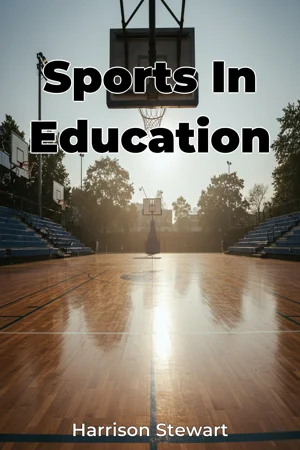
Is physical education simply a break from academic rigor, or does it play a far more crucial role in shaping well-rounded, successful individuals? "Sports In Education" delves into the often-underestimated contributions of physical education to student development, exploring its impact on teamwork, character building, and academic performance. We will examine how structured physical activities foster essential life skills and contribute to a more holistic educational experience. This book addresses the historical marginalization of physical education within academic curricula and argues for its reinstatement as a core component of holistic learning. Understanding the evolution of physical education, from its origins in military training to its modern focus on health and wellness, is crucial to appreciating its potential benefits. Prior exposure to basic educational theory and an understanding of child development principles will enhance the reader's comprehension of the presented arguments. The central thesis of "Sports In Education" asserts that physical education is not merely supplemental but fundamental in cultivating vital skills that translate into academic, professional, and personal success. This argument is built through multifaceted exploration, proving that benefits from physical activity are not just physical. The book unfolds in a structured manner, beginning with an introduction to the core concepts of physical education and its historical context. We proceed by developing this foundation through major sections: first, exploring the psychological benefits such as improved self-esteem, reduced anxiety, and enhanced cognitive function. Second, we delve into the social dimensions, focusing on how teamwork, communication, and leadership skills are honed through sports. Third, we examine the direct relationship between physical activity and academic performance, presenting data on improved concentration, memory, and overall cognitive abilities. The book culminates by consolidating the argument and providing practical recommendations for educators and policymakers to integrate more effective and engaging physical education programs into schools. The arguments presented in "Sports In Education" are substantiated by a wide range of evidence, including empirical studies on the impact of physical activity on cognitive function, sociological research on team dynamics in sports, and educational case studies demonstrating successful integration of physical education programs. Where applicable, we analyze data sets from national health surveys and educational assessments to provide a comprehensive and evidence-based analysis. The book also identifies interdisciplinary connections; firstly relating to psychology, by exploring the mental and emotional benefits of sports. Secondly, examining sociology, understanding the social dynamics within teams. Finally, by relating to health sciences, by analyzing the physiological impact of physical exercise on the developing bodies and minds of students. These connections serve to enrich the discussion and highlight the pervasive influence of physical education across various domains of study. "Sports In Education" distinguishes itself through its comprehensive approach, combining theoretical analysis with practical application. We move beyond simply advocating for physical education, instead presenting a detailed roadmap for its effective implementation within diverse educational settings. The tone of the book is both academic and accessible, aiming to engage a broad audience while maintaining scholarly rigor. Complex research findings are presented in a clear and concise manner, ensuring that the information is readily understandable and applicable. The primary audience for this book includes educators, school administrators, policymakers, parents, and anyone interested in the holistic development of students. It offers valuable insights and practical strategies for creating more vibrant and effective learning environments. In line with textbook standards, "Sports In Education" contains chapter summaries, key term definitions, and discussion questions to facilitate understanding and encourage critical thinking. The book's scope is intentionally broad, covering a wide range of sports and physical activities relevant to various age groups and educational settings. However, it does not delve into specialized athletic training programs, focusing instead on the broader benefits of physical education for all students. The information presented in "Sports In Education" has numerous real-world applications, from designing more effective physical education curricula to promoting healthier lifestyles among students. It provides educators with the tools and knowledge they need to advocate for physical education within their schools and communities. While the benefits of physical education are widely recognized, debates persist regarding its optimal implementation, funding allocation, and integration with academic subjects. This book addresses these controversies head-on, offering balanced perspectives and evidence-based recommendations for navigating these challenges.
Is physical education simply a break from academic rigor, or does it play a far more crucial role in shaping well-rounded, successful individuals? "Sports In Education" delves into the often-underestimated contributions of physical education to student development, exploring its impact on teamwork, character building, and academic performance. We will examine how structured physical activities foster essential life skills and contribute to a more holistic educational experience. This book addresses the historical marginalization of physical education within academic curricula and argues for its reinstatement as a core component of holistic learning. Understanding the evolution of physical education, from its origins in military training to its modern focus on health and wellness, is crucial to appreciating its potential benefits. Prior exposure to basic educational theory and an understanding of child development principles will enhance the reader's comprehension of the presented arguments. The central thesis of "Sports In Education" asserts that physical education is not merely supplemental but fundamental in cultivating vital skills that translate into academic, professional, and personal success. This argument is built through multifaceted exploration, proving that benefits from physical activity are not just physical. The book unfolds in a structured manner, beginning with an introduction to the core concepts of physical education and its historical context. We proceed by developing this foundation through major sections: first, exploring the psychological benefits such as improved self-esteem, reduced anxiety, and enhanced cognitive function. Second, we delve into the social dimensions, focusing on how teamwork, communication, and leadership skills are honed through sports. Third, we examine the direct relationship between physical activity and academic performance, presenting data on improved concentration, memory, and overall cognitive abilities. The book culminates by consolidating the argument and providing practical recommendations for educators and policymakers to integrate more effective and engaging physical education programs into schools. The arguments presented in "Sports In Education" are substantiated by a wide range of evidence, including empirical studies on the impact of physical activity on cognitive function, sociological research on team dynamics in sports, and educational case studies demonstrating successful integration of physical education programs. Where applicable, we analyze data sets from national health surveys and educational assessments to provide a comprehensive and evidence-based analysis. The book also identifies interdisciplinary connections; firstly relating to psychology, by exploring the mental and emotional benefits of sports. Secondly, examining sociology, understanding the social dynamics within teams. Finally, by relating to health sciences, by analyzing the physiological impact of physical exercise on the developing bodies and minds of students. These connections serve to enrich the discussion and highlight the pervasive influence of physical education across various domains of study. "Sports In Education" distinguishes itself through its comprehensive approach, combining theoretical analysis with practical application. We move beyond simply advocating for physical education, instead presenting a detailed roadmap for its effective implementation within diverse educational settings. The tone of the book is both academic and accessible, aiming to engage a broad audience while maintaining scholarly rigor. Complex research findings are presented in a clear and concise manner, ensuring that the information is readily understandable and applicable. The primary audience for this book includes educators, school administrators, policymakers, parents, and anyone interested in the holistic development of students. It offers valuable insights and practical strategies for creating more vibrant and effective learning environments. In line with textbook standards, "Sports In Education" contains chapter summaries, key term definitions, and discussion questions to facilitate understanding and encourage critical thinking. The book's scope is intentionally broad, covering a wide range of sports and physical activities relevant to various age groups and educational settings. However, it does not delve into specialized athletic training programs, focusing instead on the broader benefits of physical education for all students. The information presented in "Sports In Education" has numerous real-world applications, from designing more effective physical education curricula to promoting healthier lifestyles among students. It provides educators with the tools and knowledge they need to advocate for physical education within their schools and communities. While the benefits of physical education are widely recognized, debates persist regarding its optimal implementation, funding allocation, and integration with academic subjects. This book addresses these controversies head-on, offering balanced perspectives and evidence-based recommendations for navigating these challenges.
"Sports In Education" argues that physical education is crucial, not supplemental, for holistic learning and student development. It explores how physical activity enhances teamwork, character building, and academic performance, countering its historical marginalization. Intriguingly, the book highlights how physical education, evolving from military training, now focuses on health and wellness, and that it's not just about physical benefits but also psychological and social gains. The book's unique value lies in its comprehensive approach, providing a roadmap for effective implementation of physical education. It progresses from establishing core concepts and historical context to exploring psychological benefits like improved self-esteem, social dimensions such as teamwork, and the direct link between physical activity and cognitive function. It concludes with recommendations for educators and policymakers, substantiating its arguments with empirical studies and educational case studies.
Book Details
ISBN
9788235277664
Publisher
Publifye AS
Your Licenses
You don't own any licenses for this book
Purchase a license below to unlock this book and download the EPUB.
Purchase License
Select a tier to unlock this book
Need bulk licensing?
Contact us for enterprise agreements.