
About This Book
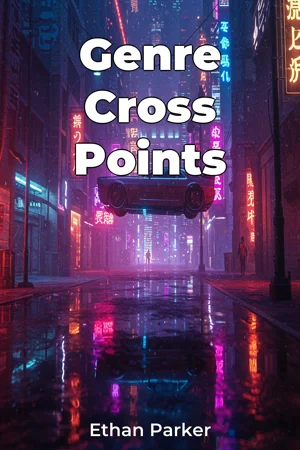
How do LGBTQ+ identities shape and reshape the landscape of genre fiction? "Genre Cross Points" delves into the multifaceted integration of LGBTQ+ themes within graphic novels and comic series, exploring how these narratives both reflect and influence broader social understandings of identity, sexuality, and representation. This book examines specific examples across diverse genres including fantasy, science fiction, romance, and horror, providing critical analysis of the narrative strategies, character development, and thematic concerns that arise when LGBTQ+ experiences are placed at the forefront. The book's significance lies in its timely examination of how LGBTQ+ representation has evolved within popular visual mediums. It addresses the core themes of identity construction, community building, and the challenging of heteronormative assumptions, offering insights into the power of genre fiction to foster empathy, understanding, and social change. Often, mainstream media relegates LGBTQ+ characters to supporting roles or stereotypes; this book highlights narratives that center LGBTQ+ voices and experiences, demonstrating their capacity to subvert expectations and create richer, more inclusive worlds. "Genre Cross Points" provides an historical overview of LGBTQ+ representation in comics, from early, often coded, appearances to the contemporary surge of diverse and explicit narratives. It considers the social and political contexts that have shaped these representations, including the impact of the AIDS crisis, marriage equality debates, and ongoing struggles for LGBTQ+ rights. The book argues that genre fiction provides a unique space for exploring complex issues of identity and belonging, allowing creators to imagine alternative realities and challenge existing power structures. The central argument of "Genre Cross Points" is that the integration of LGBTQ+ themes into genre fiction is not merely a trend but a significant cultural phenomenon that reflects a growing demand for inclusivity and authentic representation. The book's importance resides in its ability to critically analyze how these narratives contribute to broader conversations about identity, sexuality, and social justice, thus contributing to the fields of social science and film & television studies. The book is structured in three key sections. The first section introduces the main concepts, defining key terms like "queer coding," "representation," and "genre conventions." The second section consists of detailed analyses of specific graphic novels and comic series across fantasy, science fiction, romance, and horror. These analyses explore how LGBTQ+ themes are integrated into storylines, character arcs, and visual elements. The final section synthesizes the findings, discussing the implications of these narratives for LGBTQ+ visibility, social change, and the future of genre fiction. It considers practical applications for educators, creators, and activists interested in promoting inclusive representation. The book's analysis is supported by a range of evidence, including textual analysis of graphic novels and comic series, interviews with creators and fans, and secondary research from academic sources. It draws on interdisciplinary approaches, connecting to fields such as gender studies, media studies, and sociology. For example, analyzing the social impact of increased LGBTQ+ representation in media narratives. "Genre Cross Points" adopts an academic yet accessible tone, aiming to engage both scholars and general readers interested in the intersection of LGBTQ+ themes and genre fiction. The intended audience includes students and researchers in media studies, gender studies, and LGBTQ+ studies, as well as comic book enthusiasts, educators, and anyone interested in the power of storytelling to promote social change. While the book covers a broad range of genres and examples, it is not exhaustive. The selection of graphic novels and comic series is intended to be representative of key trends and themes, rather than a comprehensive survey of all LGBTQ+ representation in the medium. "Genre Cross Points" offers valuable insights for creators seeking to develop more inclusive and authentic narratives, educators seeking to incorporate LGBTQ+ themes into their curriculum, and activists seeking to use storytelling as a tool for social change. The book addresses ongoing debates about the ethics of representation, the potential for both positive and negative impacts of LGBTQ+ visibility, and the importance of intersectional approaches to understanding identity. By examining the innovative and transformative ways in which LGBTQ+ themes are reshaping genre fiction, "Genre Cross Points" invites readers to consider the power of stories to shape our understanding of ourselves and the world around us.
How do LGBTQ+ identities shape and reshape the landscape of genre fiction? "Genre Cross Points" delves into the multifaceted integration of LGBTQ+ themes within graphic novels and comic series, exploring how these narratives both reflect and influence broader social understandings of identity, sexuality, and representation. This book examines specific examples across diverse genres including fantasy, science fiction, romance, and horror, providing critical analysis of the narrative strategies, character development, and thematic concerns that arise when LGBTQ+ experiences are placed at the forefront. The book's significance lies in its timely examination of how LGBTQ+ representation has evolved within popular visual mediums. It addresses the core themes of identity construction, community building, and the challenging of heteronormative assumptions, offering insights into the power of genre fiction to foster empathy, understanding, and social change. Often, mainstream media relegates LGBTQ+ characters to supporting roles or stereotypes; this book highlights narratives that center LGBTQ+ voices and experiences, demonstrating their capacity to subvert expectations and create richer, more inclusive worlds. "Genre Cross Points" provides an historical overview of LGBTQ+ representation in comics, from early, often coded, appearances to the contemporary surge of diverse and explicit narratives. It considers the social and political contexts that have shaped these representations, including the impact of the AIDS crisis, marriage equality debates, and ongoing struggles for LGBTQ+ rights. The book argues that genre fiction provides a unique space for exploring complex issues of identity and belonging, allowing creators to imagine alternative realities and challenge existing power structures. The central argument of "Genre Cross Points" is that the integration of LGBTQ+ themes into genre fiction is not merely a trend but a significant cultural phenomenon that reflects a growing demand for inclusivity and authentic representation. The book's importance resides in its ability to critically analyze how these narratives contribute to broader conversations about identity, sexuality, and social justice, thus contributing to the fields of social science and film & television studies. The book is structured in three key sections. The first section introduces the main concepts, defining key terms like "queer coding," "representation," and "genre conventions." The second section consists of detailed analyses of specific graphic novels and comic series across fantasy, science fiction, romance, and horror. These analyses explore how LGBTQ+ themes are integrated into storylines, character arcs, and visual elements. The final section synthesizes the findings, discussing the implications of these narratives for LGBTQ+ visibility, social change, and the future of genre fiction. It considers practical applications for educators, creators, and activists interested in promoting inclusive representation. The book's analysis is supported by a range of evidence, including textual analysis of graphic novels and comic series, interviews with creators and fans, and secondary research from academic sources. It draws on interdisciplinary approaches, connecting to fields such as gender studies, media studies, and sociology. For example, analyzing the social impact of increased LGBTQ+ representation in media narratives. "Genre Cross Points" adopts an academic yet accessible tone, aiming to engage both scholars and general readers interested in the intersection of LGBTQ+ themes and genre fiction. The intended audience includes students and researchers in media studies, gender studies, and LGBTQ+ studies, as well as comic book enthusiasts, educators, and anyone interested in the power of storytelling to promote social change. While the book covers a broad range of genres and examples, it is not exhaustive. The selection of graphic novels and comic series is intended to be representative of key trends and themes, rather than a comprehensive survey of all LGBTQ+ representation in the medium. "Genre Cross Points" offers valuable insights for creators seeking to develop more inclusive and authentic narratives, educators seeking to incorporate LGBTQ+ themes into their curriculum, and activists seeking to use storytelling as a tool for social change. The book addresses ongoing debates about the ethics of representation, the potential for both positive and negative impacts of LGBTQ+ visibility, and the importance of intersectional approaches to understanding identity. By examining the innovative and transformative ways in which LGBTQ+ themes are reshaping genre fiction, "Genre Cross Points" invites readers to consider the power of stories to shape our understanding of ourselves and the world around us.
"Genre Cross Points" explores the increasing integration of LGBTQ+ themes within genre fiction, particularly in graphic novels and comics. It investigates how these narratives reflect and influence societal perceptions of identity, sexuality, and representation. The book demonstrates how LGBTQ+ representation has evolved from early, often coded, appearances to today's diverse and explicit narratives, highlighting how genre fiction offers a unique space for exploring complex issues and challenging heteronormative assumptions. For instance, the book analyzes how LGBTQ+ characters, often relegated to the sidelines, take center stage in these narratives, subverting expectations. The book examines specific examples across genres like fantasy, science fiction, romance, and horror, critically analyzing narrative strategies and character development. It also considers the social and political contexts shaping these representations, such as the impact of the AIDS crisis and the fight for marriage equality. Structured in three sections, "Genre Cross Points" first introduces key concepts, then offers detailed analyses of specific works, and finally synthesizes findings to discuss implications for LGBTQ+ visibility and social change. The book approaches information with an academic yet accessible tone, making it valuable for scholars, educators, creators, and anyone interested in the power of storytelling.
Book Details
ISBN
9788235277404
Publisher
Publifye AS
Your Licenses
You don't own any licenses for this book
Purchase a license below to unlock this book and download the EPUB.
Purchase License
Select a tier to unlock this book
Need bulk licensing?
Contact us for enterprise agreements.