
About This Book
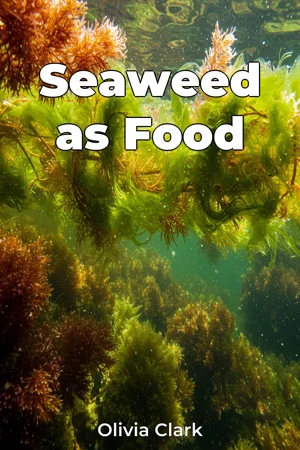
Can the future of food security be found in the ocean's depths? "Seaweed as Food" explores the largely untapped potential of seaweed as a significant contributor to global diets and a sustainable food source. This book argues that seaweed, with its rich nutritional profile and environmentally sound cultivation methods, presents a viable solution to address growing concerns about food scarcity and the environmental impact of traditional agriculture. The primary focus of this book centers on three core areas: the nutritional composition of various seaweed species, the methodologies for sustainable seaweed cultivation, and the practical applications of seaweed in diverse culinary contexts. These topics are critical because they collectively demonstrate seaweed's capacity to provide essential nutrients, minimize ecological harm, and offer versatile options for food production and consumption. Throughout history, seaweed has been a staple in certain coastal communities, particularly in East Asia. However, its recognition as a globally viable food source is relatively recent. Contemporary challenges, including overfishing, land degradation, and the increasing demand for food due to population growth, necessitate the exploration of alternative food sources. Understanding seaweed, its cultivation, and its uses requires insights from biology, marine science, and culinary arts. The central thesis posits that integrating seaweed into mainstream food systems can significantly enhance nutritional intake while lessening the burden on terrestrial ecosystems. This argument is crucial because it challenges conventional agricultural practices and promotes a more diversified and resilient food supply. The book unfolds in a logical progression, beginning with an introduction to different seaweed species and their respective nutritional profiles. It then delves into the science of seaweed cultivation, examining various methods, from traditional harvesting to advanced aquaculture techniques. Subsequently, it addresses the culinary applications of seaweed, providing recipes and insights into incorporating seaweed into various cuisines. The book culminates with a discussion of the potential of seaweed as a sustainable food source and its implications for global food security. The evidence presented is based on scientific studies, nutritional analyses, and data from aquaculture projects around the world. The book draws upon a range of sources, including peer-reviewed scientific journals, reports from international food organizations, and firsthand accounts from seaweed farmers and chefs. It also provides access to unique datasets related to seaweed composition and cultivation yields. "Seaweed as Food" connects to several other fields of study, including marine biology, environmental science, and nutrition. By integrating these perspectives, the book provides a holistic understanding of seaweed's potential. For instance, the discussion of cultivation methods draws upon principles of marine ecology, while the analysis of nutritional content is grounded in nutritional science. This book offers a fresh perspective by combining scientific rigor with practical culinary applications. It moves beyond simply advocating for seaweed consumption and provides a comprehensive guide to understanding, cultivating, and utilizing this valuable resource. The tone is informative and accessible, aiming to bridge the gap between scientific research and practical application. While grounded in scientific data, the writing style is engaging and avoids overly technical jargon, making it suitable for a broad audience. The target audience includes food enthusiasts, nutritionists, environmental scientists, and anyone interested in sustainable food solutions. It will be valuable to readers seeking practical knowledge about seaweed cultivation and usage, as well as those looking for a science-based argument for incorporating seaweed into their diets. As a work of non-fiction, the book adheres to rigorous standards of accuracy and objectivity, ensuring that all claims are supported by credible evidence. The scope of this book encompasses a global perspective on seaweed as a food source, examining both established practices and emerging trends. However, it intentionally focuses on edible species and cultivation methods relevant to food production, setting aside detailed explorations of industrial applications of seaweed. Readers can apply the information in this book to make informed dietary choices, support sustainable aquaculture practices, and advocate for policies that promote the responsible use of marine resources. The book also addresses ongoing debates surrounding the environmental impacts of aquaculture and the potential for seaweed farming to contribute to habitat restoration. By acknowledging these controversies, the book provides a balanced and nuanced perspective on the subject.
Can the future of food security be found in the ocean's depths? "Seaweed as Food" explores the largely untapped potential of seaweed as a significant contributor to global diets and a sustainable food source. This book argues that seaweed, with its rich nutritional profile and environmentally sound cultivation methods, presents a viable solution to address growing concerns about food scarcity and the environmental impact of traditional agriculture. The primary focus of this book centers on three core areas: the nutritional composition of various seaweed species, the methodologies for sustainable seaweed cultivation, and the practical applications of seaweed in diverse culinary contexts. These topics are critical because they collectively demonstrate seaweed's capacity to provide essential nutrients, minimize ecological harm, and offer versatile options for food production and consumption. Throughout history, seaweed has been a staple in certain coastal communities, particularly in East Asia. However, its recognition as a globally viable food source is relatively recent. Contemporary challenges, including overfishing, land degradation, and the increasing demand for food due to population growth, necessitate the exploration of alternative food sources. Understanding seaweed, its cultivation, and its uses requires insights from biology, marine science, and culinary arts. The central thesis posits that integrating seaweed into mainstream food systems can significantly enhance nutritional intake while lessening the burden on terrestrial ecosystems. This argument is crucial because it challenges conventional agricultural practices and promotes a more diversified and resilient food supply. The book unfolds in a logical progression, beginning with an introduction to different seaweed species and their respective nutritional profiles. It then delves into the science of seaweed cultivation, examining various methods, from traditional harvesting to advanced aquaculture techniques. Subsequently, it addresses the culinary applications of seaweed, providing recipes and insights into incorporating seaweed into various cuisines. The book culminates with a discussion of the potential of seaweed as a sustainable food source and its implications for global food security. The evidence presented is based on scientific studies, nutritional analyses, and data from aquaculture projects around the world. The book draws upon a range of sources, including peer-reviewed scientific journals, reports from international food organizations, and firsthand accounts from seaweed farmers and chefs. It also provides access to unique datasets related to seaweed composition and cultivation yields. "Seaweed as Food" connects to several other fields of study, including marine biology, environmental science, and nutrition. By integrating these perspectives, the book provides a holistic understanding of seaweed's potential. For instance, the discussion of cultivation methods draws upon principles of marine ecology, while the analysis of nutritional content is grounded in nutritional science. This book offers a fresh perspective by combining scientific rigor with practical culinary applications. It moves beyond simply advocating for seaweed consumption and provides a comprehensive guide to understanding, cultivating, and utilizing this valuable resource. The tone is informative and accessible, aiming to bridge the gap between scientific research and practical application. While grounded in scientific data, the writing style is engaging and avoids overly technical jargon, making it suitable for a broad audience. The target audience includes food enthusiasts, nutritionists, environmental scientists, and anyone interested in sustainable food solutions. It will be valuable to readers seeking practical knowledge about seaweed cultivation and usage, as well as those looking for a science-based argument for incorporating seaweed into their diets. As a work of non-fiction, the book adheres to rigorous standards of accuracy and objectivity, ensuring that all claims are supported by credible evidence. The scope of this book encompasses a global perspective on seaweed as a food source, examining both established practices and emerging trends. However, it intentionally focuses on edible species and cultivation methods relevant to food production, setting aside detailed explorations of industrial applications of seaweed. Readers can apply the information in this book to make informed dietary choices, support sustainable aquaculture practices, and advocate for policies that promote the responsible use of marine resources. The book also addresses ongoing debates surrounding the environmental impacts of aquaculture and the potential for seaweed farming to contribute to habitat restoration. By acknowledging these controversies, the book provides a balanced and nuanced perspective on the subject.
"Seaweed as Food" investigates seaweed's potential as a sustainable food source to address food security issues. The book highlights seaweed cultivation's minimal environmental impact compared to traditional agriculture, alongside its rich nutritional profile, positioning it as a key player in global diets. Did you know that seaweed has historically been a staple in East Asian coastal communities? Also, seaweed cultivation methods range from traditional harvesting to sophisticated aquaculture, all detailed in the book. The book explores the nutritional aspects of various seaweed species, cultivation techniques, and culinary applications. Progressing logically, it starts with species and their nutritional profiles, then delves into sustainable cultivation, and concludes with diverse culinary uses, offering recipes. By integrating marine science and biology perspectives, the book provides a holistic understanding of seaweed's potential. The value of this book lies in its comprehensive approach, combining scientific data with practical culinary advice. It not only advocates for seaweed consumption, but also guides readers in understanding, cultivating, and utilizing this resource, making it vital for food enthusiasts, nutritionists, and environmental scientists.
Book Details
ISBN
9788235277343
Publisher
Publifye AS
Your Licenses
You don't own any licenses for this book
Purchase a license below to unlock this book and download the EPUB.
Purchase License
Select a tier to unlock this book
Need bulk licensing?
Contact us for enterprise agreements.