
About This Book
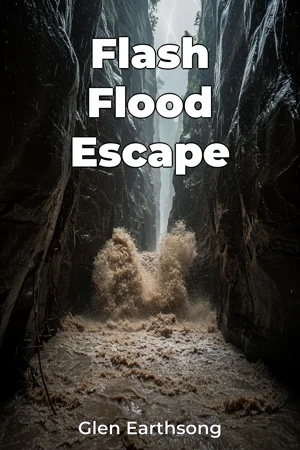
Are you prepared to recognize the subtle yet critical warnings nature provides before a flash flood strikes? "Flash Flood Escape" is designed to equip you with essential knowledge for survival in one of nature's most dangerous scenarios, specifically within canyon and basin environments. This book delves into the critical skills of identifying both visual and auditory cues that precede flash floods, and understanding how terrain dictates safe escape routes. We emphasize the importance of preparedness and informed decision-making in environments prone to these rapid-onset disasters. Our central argument is that understanding the interplay between environmental indicators and topographical features is paramount to surviving a flash flood event. The book stresses that passive awareness alone is insufficient; instead, practical knowledge about flash flood dynamics and escape strategies is vital. This is not merely a theoretical discussion, but a practical guide designed to enhance survivability. The book’s structure is built around a logical progression of understanding. It begins by establishing the fundamental meteorological and geological contexts that give rise to flash floods, including discussions on precipitation patterns, soil saturation, and the topography of canyons and basins. The second part of the book focuses on identifying flash flood indicators. This involves detailed descriptions of visual cues such as rapidly rising water levels, changes in water turbidity, and the movement of debris. We also explore auditory warnings, including the sound of distant thunder or the roar of rushing water approaching upstream. The largest portion of the book concentrates on survival strategies, specifically analyzing how terrain dictates safe escape routes. To support our arguments, we reference real-world case studies of flash flood events, analyzing factors that contributed to both successful and unsuccessful escape attempts. The research includes meteorological data, topographical maps, and survivor accounts, aiming to provide diverse and substantive evidence. This book intersects multiple fields, including meteorology, geology, and disaster management. By combining insights from these areas, we offer a holistic understanding of flash flood dynamics and survival techniques. Furthermore, the principles of risk assessment and decision-making under pressure are woven throughout the narrative, drawing from the field of psychology to address the human element in disaster survival. What makes this book distinct is its highly practical focus on terrain-specific escape strategies. We move beyond general safety advice and drill down into the specifics of navigating complex landscapes during a flash flood. The book provides actionable information tailored for hikers, campers, researchers, and residents of flood-prone areas. Written in a clear and accessible style, the book avoids jargon and technical complexity, making it suitable for a broad audience. While grounded in scientific principles, the presentation remains pragmatic and reader-friendly. The writing style balances scientific accuracy with practical guidance, ensuring the information is easily understood and readily applied. “Flash Flood Escape” is aimed at anyone who spends time in or lives near canyons, basins, or other flood-prone areas. This includes outdoor enthusiasts, search and rescue personnel, and environmental researchers. The book is also relevant to emergency management professionals and local government officials responsible for disaster preparedness. We acknowledge that flash flood dynamics are complex and can vary significantly with local conditions. While this book provides a comprehensive overview of common hazards and escape strategies, it is not a substitute for local knowledge and professional training. Our goal is to empower readers with a strong foundation of understanding, encouraging them to supplement this knowledge with information specific to their region. The information can be applied in real-world scenarios, from planning hiking routes to developing community emergency response plans. Understanding flash flood cues and escape strategies can save lives. We aim to provide you with the knowledge to make informed decisions in critical moments. While general scientific understanding of flash flood causes is well-established, debates continue regarding the effectiveness of specific warning systems and the best strategies for managing flood risks in different types of terrain. We explore such debates and provide a balanced perspective, acknowledging uncertainties and encouraging further research.
Are you prepared to recognize the subtle yet critical warnings nature provides before a flash flood strikes? "Flash Flood Escape" is designed to equip you with essential knowledge for survival in one of nature's most dangerous scenarios, specifically within canyon and basin environments. This book delves into the critical skills of identifying both visual and auditory cues that precede flash floods, and understanding how terrain dictates safe escape routes. We emphasize the importance of preparedness and informed decision-making in environments prone to these rapid-onset disasters. Our central argument is that understanding the interplay between environmental indicators and topographical features is paramount to surviving a flash flood event. The book stresses that passive awareness alone is insufficient; instead, practical knowledge about flash flood dynamics and escape strategies is vital. This is not merely a theoretical discussion, but a practical guide designed to enhance survivability. The book’s structure is built around a logical progression of understanding. It begins by establishing the fundamental meteorological and geological contexts that give rise to flash floods, including discussions on precipitation patterns, soil saturation, and the topography of canyons and basins. The second part of the book focuses on identifying flash flood indicators. This involves detailed descriptions of visual cues such as rapidly rising water levels, changes in water turbidity, and the movement of debris. We also explore auditory warnings, including the sound of distant thunder or the roar of rushing water approaching upstream. The largest portion of the book concentrates on survival strategies, specifically analyzing how terrain dictates safe escape routes. To support our arguments, we reference real-world case studies of flash flood events, analyzing factors that contributed to both successful and unsuccessful escape attempts. The research includes meteorological data, topographical maps, and survivor accounts, aiming to provide diverse and substantive evidence. This book intersects multiple fields, including meteorology, geology, and disaster management. By combining insights from these areas, we offer a holistic understanding of flash flood dynamics and survival techniques. Furthermore, the principles of risk assessment and decision-making under pressure are woven throughout the narrative, drawing from the field of psychology to address the human element in disaster survival. What makes this book distinct is its highly practical focus on terrain-specific escape strategies. We move beyond general safety advice and drill down into the specifics of navigating complex landscapes during a flash flood. The book provides actionable information tailored for hikers, campers, researchers, and residents of flood-prone areas. Written in a clear and accessible style, the book avoids jargon and technical complexity, making it suitable for a broad audience. While grounded in scientific principles, the presentation remains pragmatic and reader-friendly. The writing style balances scientific accuracy with practical guidance, ensuring the information is easily understood and readily applied. “Flash Flood Escape” is aimed at anyone who spends time in or lives near canyons, basins, or other flood-prone areas. This includes outdoor enthusiasts, search and rescue personnel, and environmental researchers. The book is also relevant to emergency management professionals and local government officials responsible for disaster preparedness. We acknowledge that flash flood dynamics are complex and can vary significantly with local conditions. While this book provides a comprehensive overview of common hazards and escape strategies, it is not a substitute for local knowledge and professional training. Our goal is to empower readers with a strong foundation of understanding, encouraging them to supplement this knowledge with information specific to their region. The information can be applied in real-world scenarios, from planning hiking routes to developing community emergency response plans. Understanding flash flood cues and escape strategies can save lives. We aim to provide you with the knowledge to make informed decisions in critical moments. While general scientific understanding of flash flood causes is well-established, debates continue regarding the effectiveness of specific warning systems and the best strategies for managing flood risks in different types of terrain. We explore such debates and provide a balanced perspective, acknowledging uncertainties and encouraging further research.
"Flash Flood Escape" offers essential guidance for surviving flash floods, particularly in canyon and basin environments. It emphasizes recognizing critical pre-flood warnings by combining environmental indicators with terrain analysis. The book uniquely focuses on terrain-specific escape strategies, going beyond general advice to provide actionable information for hikers, campers, and residents. Did you know that rapidly rising water levels and changes in water turbidity are key visual cues, and the sound of distant thunder can be an auditory warning? The book progresses logically, starting with the meteorological and geological contexts of flash floods. It then details how to identify flash flood indicators, covering visual and auditory cues. The largest portion of the book concentrates on survival strategies, analyzing how terrain dictates safe escape routes. This approach helps readers understand both the science behind flash floods and practical escape techniques. Real-world case studies support the book’s arguments, analyzing successful and unsuccessful escape attempts using meteorological data, topographical maps, and survivor accounts. By combining insights from meteorology, geology, and disaster management, "Flash Flood Escape" presents a holistic understanding of flash flood dynamics and survival, making it a valuable resource for anyone in flood-prone areas.
Book Details
ISBN
9788235277169
Publisher
Publifye AS
Your Licenses
You don't own any licenses for this book
Purchase a license below to unlock this book and download the EPUB.
Purchase License
Select a tier to unlock this book
Need bulk licensing?
Contact us for enterprise agreements.