
About This Book
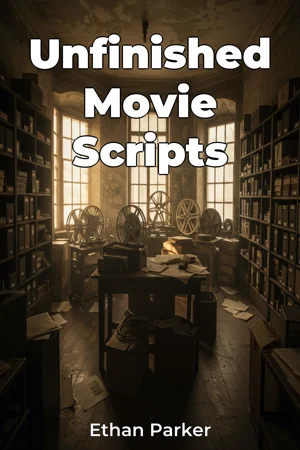
What happens to the stories that never make it to the silver screen? "Unfinished Movie Scripts" delves into the fascinating world of unrealized cinematic visions, offering a unique glimpse into the creative process by examining scripts written for famous films that, for various reasons, were ultimately abandoned. This collection of essays serves as both a literary excavation and a film studies exploration, revealing alternate plots, abandoned ideas, and the pivotal decisions that shape the movies we know and love. This book is significant for several reasons. First, it provides insight into the collaborative and often turbulent nature of filmmaking, demonstrating that the final product is rarely the singular vision of an auteur but rather the result of numerous compromises and creative detours. Second, it offers a fresh perspective on beloved films, allowing readers to consider "what if?" scenarios and appreciate the subtle choices that contribute to a film's success or failure. Finally, it serves as a valuable resource for aspiring screenwriters and filmmakers, providing concrete examples of how ideas evolve, are refined, and sometimes discarded. Understanding the context of these unfinished scripts requires a basic knowledge of film history and screenwriting conventions. The book will explore the historical forces that influenced these films, such as studio politics, technological advancements, and shifting audience expectations. It will also discuss screenwriting fundamentals to understand how certain plot points, character arcs, or thematic elements did not make the cut. The central argument of "Unfinished Movie Scripts" is that these discarded scripts are not mere relics of failure but valuable artifacts that illuminate the creative process and offer alternative interpretations of familiar stories. By examining these "what ifs," we gain a deeper appreciation for the artistry and complexity involved in crafting a successful film. The book begins with an introduction to the concept of "unfinished movie scripts" and their significance in film studies. It then delves into specific case studies, organized by themes such as altered character arcs, entirely different plotlines, and abandoned subplots. Each chapter will focus on a particular film, presenting excerpts from the original, unused scripts alongside insightful analysis of why these elements were rejected. The book culminates with a discussion of the broader implications of these findings, exploring how unfinished scripts can inform our understanding of film history, creative collaboration, and the art of storytelling. The evidence presented will primarily consist of excerpts from original scripts, studio memos, and interviews with filmmakers and actors involved in the production of these films. The research will draw on archival materials from studio libraries, private collections, and online databases. The analysis will also incorporate established film theory and literary criticism to provide a comprehensive understanding of the scripts. This book connects to other fields such as literary studies (analyzing narrative structure and character development), history (understanding the social and cultural context of filmmaking), and business (examining the economic factors that influence creative decisions). These interdisciplinary connections enrich the book's argument by providing a more holistic understanding of the filmmaking process. "Unfinished Movie Scripts" takes a unique approach by focusing on the creative potential of unrealized film projects. Instead of simply dismissing these scripts as failures, it celebrates them as valuable sources of creative inspiration and historical insight. It presents these scripts as texts worthy of study, offering a new lens through which to view the films they almost became. The tone is academic yet accessible, aiming to bridge the gap between scholarly analysis and engaging storytelling. The writing style is clear, concise, and informative, designed to appeal to both film scholars and casual movie enthusiasts. The target audience includes film students, screenwriters, film historians, and anyone interested in the behind-the-scenes world of filmmaking. The book will be of value to them by providing new perspectives on familiar films, offering practical insights into the creative process, and sparking new ideas for their own projects. As a literary collection of essays, the book will adhere to the conventions of academic writing, including proper citation of sources, clear argumentation, and insightful analysis. It also incorporates elements of film studies, such as close readings of scripts and discussions of cinematic techniques. The scope of the book is limited to a selection of famous films with readily available unfinished scripts. It does not attempt to provide a comprehensive overview of every film that has undergone significant script revisions. The information in this book can be applied practically by aspiring screenwriters, who can learn from the successes and failures of others. It can also be used by film students to develop their analytical skills and gain a deeper understanding of the filmmaking process. The book may touch on controversies surrounding creative control in filmmaking, such as disputes between directors, writers, and studios. By examining these conflicts through the lens of unfinished scripts, the book offers a nuanced perspective on the complex dynamics of the film industry.
What happens to the stories that never make it to the silver screen? "Unfinished Movie Scripts" delves into the fascinating world of unrealized cinematic visions, offering a unique glimpse into the creative process by examining scripts written for famous films that, for various reasons, were ultimately abandoned. This collection of essays serves as both a literary excavation and a film studies exploration, revealing alternate plots, abandoned ideas, and the pivotal decisions that shape the movies we know and love. This book is significant for several reasons. First, it provides insight into the collaborative and often turbulent nature of filmmaking, demonstrating that the final product is rarely the singular vision of an auteur but rather the result of numerous compromises and creative detours. Second, it offers a fresh perspective on beloved films, allowing readers to consider "what if?" scenarios and appreciate the subtle choices that contribute to a film's success or failure. Finally, it serves as a valuable resource for aspiring screenwriters and filmmakers, providing concrete examples of how ideas evolve, are refined, and sometimes discarded. Understanding the context of these unfinished scripts requires a basic knowledge of film history and screenwriting conventions. The book will explore the historical forces that influenced these films, such as studio politics, technological advancements, and shifting audience expectations. It will also discuss screenwriting fundamentals to understand how certain plot points, character arcs, or thematic elements did not make the cut. The central argument of "Unfinished Movie Scripts" is that these discarded scripts are not mere relics of failure but valuable artifacts that illuminate the creative process and offer alternative interpretations of familiar stories. By examining these "what ifs," we gain a deeper appreciation for the artistry and complexity involved in crafting a successful film. The book begins with an introduction to the concept of "unfinished movie scripts" and their significance in film studies. It then delves into specific case studies, organized by themes such as altered character arcs, entirely different plotlines, and abandoned subplots. Each chapter will focus on a particular film, presenting excerpts from the original, unused scripts alongside insightful analysis of why these elements were rejected. The book culminates with a discussion of the broader implications of these findings, exploring how unfinished scripts can inform our understanding of film history, creative collaboration, and the art of storytelling. The evidence presented will primarily consist of excerpts from original scripts, studio memos, and interviews with filmmakers and actors involved in the production of these films. The research will draw on archival materials from studio libraries, private collections, and online databases. The analysis will also incorporate established film theory and literary criticism to provide a comprehensive understanding of the scripts. This book connects to other fields such as literary studies (analyzing narrative structure and character development), history (understanding the social and cultural context of filmmaking), and business (examining the economic factors that influence creative decisions). These interdisciplinary connections enrich the book's argument by providing a more holistic understanding of the filmmaking process. "Unfinished Movie Scripts" takes a unique approach by focusing on the creative potential of unrealized film projects. Instead of simply dismissing these scripts as failures, it celebrates them as valuable sources of creative inspiration and historical insight. It presents these scripts as texts worthy of study, offering a new lens through which to view the films they almost became. The tone is academic yet accessible, aiming to bridge the gap between scholarly analysis and engaging storytelling. The writing style is clear, concise, and informative, designed to appeal to both film scholars and casual movie enthusiasts. The target audience includes film students, screenwriters, film historians, and anyone interested in the behind-the-scenes world of filmmaking. The book will be of value to them by providing new perspectives on familiar films, offering practical insights into the creative process, and sparking new ideas for their own projects. As a literary collection of essays, the book will adhere to the conventions of academic writing, including proper citation of sources, clear argumentation, and insightful analysis. It also incorporates elements of film studies, such as close readings of scripts and discussions of cinematic techniques. The scope of the book is limited to a selection of famous films with readily available unfinished scripts. It does not attempt to provide a comprehensive overview of every film that has undergone significant script revisions. The information in this book can be applied practically by aspiring screenwriters, who can learn from the successes and failures of others. It can also be used by film students to develop their analytical skills and gain a deeper understanding of the filmmaking process. The book may touch on controversies surrounding creative control in filmmaking, such as disputes between directors, writers, and studios. By examining these conflicts through the lens of unfinished scripts, the book offers a nuanced perspective on the complex dynamics of the film industry.
"Unfinished Movie Scripts" explores the captivating realm of unrealized film projects, offering a rare look into the creative journeys behind famous movies. Through insightful essays, the book examines abandoned screenplays, revealing alternate plots and pivotal decisions that shaped the films we know. One intriguing fact is how studio politics and shifting audience expectations often lead to significant script alterations, highlighting that the final film is rarely a single person's vision. The book uniquely presents these discarded scripts not as failures, but as valuable artifacts illuminating the creative process. By analyzing excerpts from original, unused scripts alongside film essays and studio memos, the author provides a fresh perspective on beloved films. The book begins by introducing the significance of unfinished scripts in film studies, then progresses through case studies organized by themes like altered character arcs and abandoned subplots, culminating in a discussion of their broader implications for understanding film history and storytelling. It's a deep dive into the "what ifs" of filmmaking.
Book Details
ISBN
9788235277145
Publisher
Publifye AS
Your Licenses
You don't own any licenses for this book
Purchase a license below to unlock this book and download the EPUB.
Purchase License
Select a tier to unlock this book
Need bulk licensing?
Contact us for enterprise agreements.