
About This Book
How do nations project power unseen, and what are the unseen costs of operating in the shadows? "Stealth Missions" unveils the intricate world of covert military operations, the technologies that enable them, and the historical context that shapes their execution. This book explores how special forces units infiltrate hostile territories, gather critical intelligence, and disrupt enemy capabilities, all while remaining undetected. The significance of stealth in modern warfare cannot be overstated. It offers a strategic advantage, minimizing casualties and maximizing mission success. Understanding the evolution of stealth tactics and technologies is crucial for grasping the dynamics of contemporary global conflicts and the ongoing quest for military superiority. This book provides a comprehensive historical and technological analysis of military stealth operations. Beginning with the earliest examples of deception and camouflage, we trace the development of stealth techniques through various eras of warfare. The narrative examines the socio-political factors influencing the adoption and refinement of these methods. The central argument is that stealth operations, while providing distinct advantages, also present ethical and strategic dilemmas, requiring careful consideration of their long-term consequences. The book is structured to provide a clear and progressive understanding of stealth missions. It begins by introducing the foundational concepts of stealth, including camouflage, deception, and electronic warfare. Subsequent chapters delve into specific case studies of famous stealth operations, analyzing the tactics, technologies, and personnel involved. These case studies span different historical periods and geographical locations, offering a global perspective on the use of stealth in warfare. We also examine the technological advancements that have revolutionized stealth capabilities. The culmination of the book explores the future of stealth missions, considering the potential impact of emerging technologies such as artificial intelligence and quantum computing. The evidence presented within "Stealth Missions" draws from a wide range of sources, including declassified military documents, after-action reports, technical manuals, and eyewitness accounts. The research methodology combines historical analysis with technical assessments, providing both a broad overview and detailed insights into specific operations and technologies. This book connects to multiple disciplines, including political science, engineering, and ethics. The study of stealth missions informs our understanding of international relations and power dynamics. The technological aspects of stealth connect to engineering and materials science. Ethical considerations surrounding covert operations raise important questions about the laws of war and the moral responsibilities of military personnel. "Stealth Missions" offers a unique perspective by examining the human element of these operations. It highlights the skills, training, and psychological fortitude required to execute high-risk missions undetected. It also considers the psychological toll these operations have on the individuals involved. Written in a professional, fact-based, and accessible style, this book is intended for a broad audience, including military history enthusiasts, defense professionals, students of international relations, and anyone interested in the intersection of technology and warfare. The book is valuable to readers seeking a deeper understanding of the strategies, technologies, and ethical considerations shaping modern military operations. While the book aims to provide a comprehensive overview of stealth missions, its scope is limited to publicly available information and declassified documents. Certain details of ongoing or highly classified operations remain beyond the scope of this study. The information presented in this book has real-world applications for military strategists, policymakers, and defense analysts. It provides valuable insights into the capabilities and limitations of stealth operations, informing decisions about resource allocation, risk assessment, and strategic planning. "Stealth Missions" also addresses ongoing debates surrounding the use of stealth technology, including concerns about its potential to destabilize international relations and erode trust between nations. By examining the historical context and ethical implications of stealth operations, this book contributes to a more informed discussion about the future of warfare.
How do nations project power unseen, and what are the unseen costs of operating in the shadows? "Stealth Missions" unveils the intricate world of covert military operations, the technologies that enable them, and the historical context that shapes their execution. This book explores how special forces units infiltrate hostile territories, gather critical intelligence, and disrupt enemy capabilities, all while remaining undetected. The significance of stealth in modern warfare cannot be overstated. It offers a strategic advantage, minimizing casualties and maximizing mission success. Understanding the evolution of stealth tactics and technologies is crucial for grasping the dynamics of contemporary global conflicts and the ongoing quest for military superiority. This book provides a comprehensive historical and technological analysis of military stealth operations. Beginning with the earliest examples of deception and camouflage, we trace the development of stealth techniques through various eras of warfare. The narrative examines the socio-political factors influencing the adoption and refinement of these methods. The central argument is that stealth operations, while providing distinct advantages, also present ethical and strategic dilemmas, requiring careful consideration of their long-term consequences. The book is structured to provide a clear and progressive understanding of stealth missions. It begins by introducing the foundational concepts of stealth, including camouflage, deception, and electronic warfare. Subsequent chapters delve into specific case studies of famous stealth operations, analyzing the tactics, technologies, and personnel involved. These case studies span different historical periods and geographical locations, offering a global perspective on the use of stealth in warfare. We also examine the technological advancements that have revolutionized stealth capabilities. The culmination of the book explores the future of stealth missions, considering the potential impact of emerging technologies such as artificial intelligence and quantum computing. The evidence presented within "Stealth Missions" draws from a wide range of sources, including declassified military documents, after-action reports, technical manuals, and eyewitness accounts. The research methodology combines historical analysis with technical assessments, providing both a broad overview and detailed insights into specific operations and technologies. This book connects to multiple disciplines, including political science, engineering, and ethics. The study of stealth missions informs our understanding of international relations and power dynamics. The technological aspects of stealth connect to engineering and materials science. Ethical considerations surrounding covert operations raise important questions about the laws of war and the moral responsibilities of military personnel. "Stealth Missions" offers a unique perspective by examining the human element of these operations. It highlights the skills, training, and psychological fortitude required to execute high-risk missions undetected. It also considers the psychological toll these operations have on the individuals involved. Written in a professional, fact-based, and accessible style, this book is intended for a broad audience, including military history enthusiasts, defense professionals, students of international relations, and anyone interested in the intersection of technology and warfare. The book is valuable to readers seeking a deeper understanding of the strategies, technologies, and ethical considerations shaping modern military operations. While the book aims to provide a comprehensive overview of stealth missions, its scope is limited to publicly available information and declassified documents. Certain details of ongoing or highly classified operations remain beyond the scope of this study. The information presented in this book has real-world applications for military strategists, policymakers, and defense analysts. It provides valuable insights into the capabilities and limitations of stealth operations, informing decisions about resource allocation, risk assessment, and strategic planning. "Stealth Missions" also addresses ongoing debates surrounding the use of stealth technology, including concerns about its potential to destabilize international relations and erode trust between nations. By examining the historical context and ethical implications of stealth operations, this book contributes to a more informed discussion about the future of warfare.
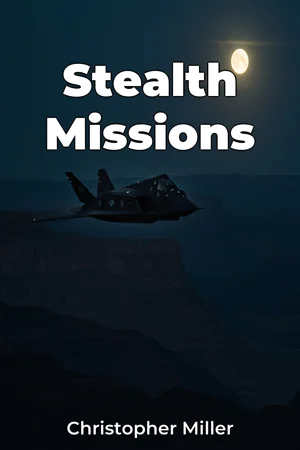
"Stealth Missions" explores the hidden world of covert military operations, examining the technologies, tactics, and historical context that define modern warfare. The book reveals how nations project power unseen, often minimizing casualties while maximizing mission success through stealth technology. Stealth tactics have evolved significantly, from early camouflage to advanced electronic warfare, playing a crucial role in shaping contemporary global conflicts. This evolution highlights the ongoing quest for military superiority, yet also raises ethical considerations about operating in the shadows. The book progresses chronologically, starting with foundational concepts like deception and camouflage before diving into specific case studies of famous stealth missions across different historical periods and geographical locations. It analyzes the technologies and personnel involved, offering a global perspective on stealth in warfare. For instance, the development of stealth aircraft demonstrates how minimizing radar detection can provide a significant strategic advantage. The book emphasizes that while stealth operations offer distinct advantages, they also present strategic dilemmas that require careful consideration of their long-term consequences. Drawing from declassified military documents and after-action reports, "Stealth Missions" provides a comprehensive analysis accessible to a broad audience, including military history enthusiasts and defense professionals. By examining the human element and the psychological toll of these operations, the book offers a unique perspective on the skills and training required to execute high-risk missions undetected, making it a valuable resource for understanding the complexities of modern military strategy.
Book Details
ISBN
9788235277138
Publisher
Publifye AS
Your Licenses
You don't own any licenses for this book
Purchase a license below to unlock this book and download the EPUB.
Purchase License
Select a tier to unlock this book
Need bulk licensing?
Contact us for enterprise agreements.