
About This Book
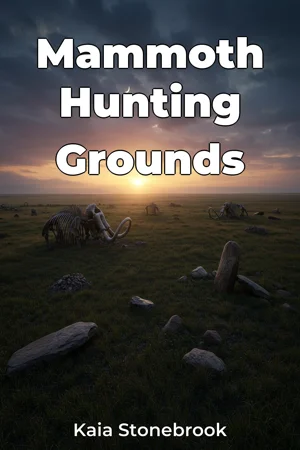
Imagine a world where survival hinged on the ability to hunt colossal beasts. "Mammoth Hunting Grounds" delves into this past, uncovering the compelling story of early human societies and their intricate relationship with mammoths. This book explores the evidence of indigenous mammoth hunts, analyzes the tools employed by these early hunters, and examines the profound impact that the extinction of megafauna had on the development of human culture, technology, and social structures. This exploration is crucial because understanding this relationship offers insights into human adaptability, the environmental consequences of human activity, and the complex interplay between culture and natural resources. Knowledge of past human-environment interactions can inform present-day conservation efforts and resource management strategies. To fully understand this, the book provides a clear historical and archaeological context, starting with the Pleistocene epoch and the distribution of mammoth populations across the globe. It outlines the prerequisites for understanding the archaeological record, including basic knowledge of dating methods, artifact analysis, and paleoenvironmental reconstruction. The central argument is that the hunting of mammoths was not merely a subsistence activity but a catalyst for cultural and technological evolution in early human societies. The book demonstrates how specialized hunting techniques, collaborative social structures, and innovative tool technologies arose in response to the challenges and opportunities presented by mammoths. "Mammoth Hunting Grounds" systematically builds its case. It begins by introducing the paleoecological context and the various species of mammoths that roamed the Earth. Subsequent chapters detail the archaeological evidence of mammoth hunting, including kill sites, butchering sites, and the use of mammoth bones and ivory in tool production and art. The book culminates by analyzing the impact of mammoth extinction on human societies, exploring alternative subsistence strategies, and examining the long-term consequences for human culture and social organization. The evidence presented is grounded in archaeological excavations, paleontological finds, and ethnographic studies of modern hunter-gatherer societies. Unique data sources include analyses of ancient DNA, isotopic studies of mammoth bones, and detailed examinations of stone tool assemblages. This book connects to several disciplines, including archaeology, anthropology, paleontology, and environmental studies. Archaeology provides the physical evidence of mammoth hunting activities, anthropology offers insights into the social and cultural contexts of these activities, paleontology provides information about mammoth biology and ecology, and environmental studies helps us understand the broader environmental changes that contributed to mammoth extinction. These interdisciplinary connections enrich our understanding of the complex relationship between humans and mammoths. "Mammoth Hunting Grounds" adopts a fact-based, analytical approach, presenting information in a clear and accessible manner. The writing style is designed to engage both academic and general audiences, blending rigorous scientific analysis with compelling storytelling. The target audience includes students and researchers in archaeology, anthropology, and paleontology, as well as general readers interested in prehistoric cultures and the origins of human societies. This book provides valuable insights into the lives of our ancestors, the challenges they faced, and the innovative solutions they developed. As a work of non-fiction history and science, this book adheres to standards of accuracy and objectivity, presenting evidence-based arguments and acknowledging alternative interpretations. While the book aims to provide a comprehensive overview of mammoth hunting cultures, it acknowledges limitations regarding the preservation of archaeological sites and the challenges of reconstructing past human behavior. The information presented has real-world applications for understanding the long-term consequences of human activity on the environment and the importance of sustainable resource management. It also sheds light on the adaptability of human societies in the face of environmental change. The book addresses the ongoing debate about the role of human hunting versus climate change in the extinction of mammoths, presenting a nuanced perspective based on the available evidence. "Mammoth Hunting Grounds" invites readers to re-evaluate assumptions about early human societies and their place in the natural world.
Imagine a world where survival hinged on the ability to hunt colossal beasts. "Mammoth Hunting Grounds" delves into this past, uncovering the compelling story of early human societies and their intricate relationship with mammoths. This book explores the evidence of indigenous mammoth hunts, analyzes the tools employed by these early hunters, and examines the profound impact that the extinction of megafauna had on the development of human culture, technology, and social structures. This exploration is crucial because understanding this relationship offers insights into human adaptability, the environmental consequences of human activity, and the complex interplay between culture and natural resources. Knowledge of past human-environment interactions can inform present-day conservation efforts and resource management strategies. To fully understand this, the book provides a clear historical and archaeological context, starting with the Pleistocene epoch and the distribution of mammoth populations across the globe. It outlines the prerequisites for understanding the archaeological record, including basic knowledge of dating methods, artifact analysis, and paleoenvironmental reconstruction. The central argument is that the hunting of mammoths was not merely a subsistence activity but a catalyst for cultural and technological evolution in early human societies. The book demonstrates how specialized hunting techniques, collaborative social structures, and innovative tool technologies arose in response to the challenges and opportunities presented by mammoths. "Mammoth Hunting Grounds" systematically builds its case. It begins by introducing the paleoecological context and the various species of mammoths that roamed the Earth. Subsequent chapters detail the archaeological evidence of mammoth hunting, including kill sites, butchering sites, and the use of mammoth bones and ivory in tool production and art. The book culminates by analyzing the impact of mammoth extinction on human societies, exploring alternative subsistence strategies, and examining the long-term consequences for human culture and social organization. The evidence presented is grounded in archaeological excavations, paleontological finds, and ethnographic studies of modern hunter-gatherer societies. Unique data sources include analyses of ancient DNA, isotopic studies of mammoth bones, and detailed examinations of stone tool assemblages. This book connects to several disciplines, including archaeology, anthropology, paleontology, and environmental studies. Archaeology provides the physical evidence of mammoth hunting activities, anthropology offers insights into the social and cultural contexts of these activities, paleontology provides information about mammoth biology and ecology, and environmental studies helps us understand the broader environmental changes that contributed to mammoth extinction. These interdisciplinary connections enrich our understanding of the complex relationship between humans and mammoths. "Mammoth Hunting Grounds" adopts a fact-based, analytical approach, presenting information in a clear and accessible manner. The writing style is designed to engage both academic and general audiences, blending rigorous scientific analysis with compelling storytelling. The target audience includes students and researchers in archaeology, anthropology, and paleontology, as well as general readers interested in prehistoric cultures and the origins of human societies. This book provides valuable insights into the lives of our ancestors, the challenges they faced, and the innovative solutions they developed. As a work of non-fiction history and science, this book adheres to standards of accuracy and objectivity, presenting evidence-based arguments and acknowledging alternative interpretations. While the book aims to provide a comprehensive overview of mammoth hunting cultures, it acknowledges limitations regarding the preservation of archaeological sites and the challenges of reconstructing past human behavior. The information presented has real-world applications for understanding the long-term consequences of human activity on the environment and the importance of sustainable resource management. It also sheds light on the adaptability of human societies in the face of environmental change. The book addresses the ongoing debate about the role of human hunting versus climate change in the extinction of mammoths, presenting a nuanced perspective based on the available evidence. "Mammoth Hunting Grounds" invites readers to re-evaluate assumptions about early human societies and their place in the natural world.
"Mammoth Hunting Grounds" explores the fascinating relationship between early human societies and mammoths, revealing how mammoth hunting was not just about survival, but a catalyst for cultural and technological advancement. The book delves into archaeological evidence, such as kill sites and tools made from mammoth bones, to paint a picture of life during the Pleistocene epoch. Intriguingly, specialized hunting techniques and collaborative social structures emerged in response to the challenges and opportunities presented by these megafauna. The book meticulously examines the paleoecological context, detailing various mammoth species and the archaeological record. It presents artifact analysis and paleoenvironmental reconstruction, systematically building its case across chapters. Ultimately, it analyzes the impact of mammoth extinction on human societies, exploring alternative subsistence strategies and the long-term consequences for human culture. This exploration provides valuable insights into human adaptability and the environmental consequences of human activity, making it relevant to contemporary discussions on conservation and resource management.
Book Details
ISBN
9788235277008
Publisher
Publifye AS
Your Licenses
You don't own any licenses for this book
Purchase a license below to unlock this book and download the EPUB.
Purchase License
Select a tier to unlock this book
Need bulk licensing?
Contact us for enterprise agreements.