
About This Book
What enduring mysteries lie within the shimmering marble of the Taj Mahal, beyond its reputation as a monument to eternal love? This book, *Taj Mahal*, delves into the multifaceted history, architectural brilliance, and symbolic power associated with this iconic structure, providing a comprehensive understanding of its creation and its place in world heritage. The book explores three key areas: the historical context of the Mughal Empire under Shah Jahan, the intricate architectural design and construction of the Taj Mahal, and the monument's enduring legacy as a symbol of imperial authority and, later, of India itself. These topics are vital for understanding not only the monument's physical presence but also the complex cultural and political forces that shaped its creation and continue to influence its interpretation. Set against the backdrop of 17th-century Mughal India, the book examines Shah Jahan's reign, his motivations for commissioning the Taj Mahal, and the socio-economic conditions that enabled its construction. Familiarity with basic Mughal history is helpful but not essential; the book provides sufficient background information for a clear understanding. The central argument is that the Taj Mahal is more than just a testament to love; it is a carefully constructed assertion of imperial power, religious devotion, and artistic mastery, reflecting the zenith of Mughal artistic and administrative capabilities and a symbol of dynastic claims to rule. Understanding this complex interplay is crucial to appreciating the monument's true significance. The book is structured in three parts. The first section introduces Shah Jahan and the Mughal Empire, detailing the political and economic landscape that facilitated the project. The second section dissects the Taj Mahal's architecture, exploring the influences of Persian, Islamic, and Indian styles, and examining the construction techniques and materials used. The final section analyzes the monument's symbolic meaning, its changing interpretations over time, and its place in India's national identity, including the monument's upkeep as a world heritage site. The book draws upon a range of primary and secondary sources, including Mughal-era chronicles, architectural plans (where available), travelogues, and scholarly analyses. It also incorporates recent archaeological findings and conservation reports to provide the most up-to-date understanding of the Taj Mahal. The book connects to several disciplines. It intersects with art history, providing insights into Mughal aesthetics and craftsmanship. It also relates to political science, examining the monument as a symbol of state power. Furthermore, it connects with cultural studies by investigating how the Taj Mahal has been represented and reinterpreted across different cultures and time periods. This book offers a fresh perspective by integrating historical, architectural, and cultural analyses to provide a holistic understanding of the Taj Mahal. It moves beyond romantic narratives to reveal the complex motivations and meanings embedded within the monument's design and history. The tone of the book is academic yet accessible, aiming to engage both scholars and general readers interested in history, architecture, and world cultures. The writing style is clear and concise, prioritizing factual accuracy and insightful analysis. The target audience includes students of history and architecture, travelers interested in cultural heritage, and anyone seeking a deeper understanding of one of the world's most iconic landmarks. This book offers a valuable resource for those looking to move beyond superficial understandings of the Taj Mahal. As a work of history and architectural analysis, the book adheres to rigorous standards of scholarship, providing evidence-based arguments and detailed citations. While the book aims to provide a comprehensive overview, it focuses primarily on the Taj Mahal itself, its direct historical context, and its architectural features. It does not delve deeply into broader aspects of Mughal social history or comparative architectural studies beyond their direct relevance to the monument. The insights provided in this book are applicable to understanding other monuments and historical sites around the world. By examining the Taj Mahal as a product of specific historical and cultural forces, readers can gain a framework for analyzing the symbolic meanings and political contexts of other architectural landmarks. The book also addresses ongoing discussions about the Taj Mahal, including debates about its preservation, the impact of tourism, and contested interpretations of its historical significance. It acknowledges different perspectives while maintaining a balanced and evidence-based approach.
What enduring mysteries lie within the shimmering marble of the Taj Mahal, beyond its reputation as a monument to eternal love? This book, *Taj Mahal*, delves into the multifaceted history, architectural brilliance, and symbolic power associated with this iconic structure, providing a comprehensive understanding of its creation and its place in world heritage. The book explores three key areas: the historical context of the Mughal Empire under Shah Jahan, the intricate architectural design and construction of the Taj Mahal, and the monument's enduring legacy as a symbol of imperial authority and, later, of India itself. These topics are vital for understanding not only the monument's physical presence but also the complex cultural and political forces that shaped its creation and continue to influence its interpretation. Set against the backdrop of 17th-century Mughal India, the book examines Shah Jahan's reign, his motivations for commissioning the Taj Mahal, and the socio-economic conditions that enabled its construction. Familiarity with basic Mughal history is helpful but not essential; the book provides sufficient background information for a clear understanding. The central argument is that the Taj Mahal is more than just a testament to love; it is a carefully constructed assertion of imperial power, religious devotion, and artistic mastery, reflecting the zenith of Mughal artistic and administrative capabilities and a symbol of dynastic claims to rule. Understanding this complex interplay is crucial to appreciating the monument's true significance. The book is structured in three parts. The first section introduces Shah Jahan and the Mughal Empire, detailing the political and economic landscape that facilitated the project. The second section dissects the Taj Mahal's architecture, exploring the influences of Persian, Islamic, and Indian styles, and examining the construction techniques and materials used. The final section analyzes the monument's symbolic meaning, its changing interpretations over time, and its place in India's national identity, including the monument's upkeep as a world heritage site. The book draws upon a range of primary and secondary sources, including Mughal-era chronicles, architectural plans (where available), travelogues, and scholarly analyses. It also incorporates recent archaeological findings and conservation reports to provide the most up-to-date understanding of the Taj Mahal. The book connects to several disciplines. It intersects with art history, providing insights into Mughal aesthetics and craftsmanship. It also relates to political science, examining the monument as a symbol of state power. Furthermore, it connects with cultural studies by investigating how the Taj Mahal has been represented and reinterpreted across different cultures and time periods. This book offers a fresh perspective by integrating historical, architectural, and cultural analyses to provide a holistic understanding of the Taj Mahal. It moves beyond romantic narratives to reveal the complex motivations and meanings embedded within the monument's design and history. The tone of the book is academic yet accessible, aiming to engage both scholars and general readers interested in history, architecture, and world cultures. The writing style is clear and concise, prioritizing factual accuracy and insightful analysis. The target audience includes students of history and architecture, travelers interested in cultural heritage, and anyone seeking a deeper understanding of one of the world's most iconic landmarks. This book offers a valuable resource for those looking to move beyond superficial understandings of the Taj Mahal. As a work of history and architectural analysis, the book adheres to rigorous standards of scholarship, providing evidence-based arguments and detailed citations. While the book aims to provide a comprehensive overview, it focuses primarily on the Taj Mahal itself, its direct historical context, and its architectural features. It does not delve deeply into broader aspects of Mughal social history or comparative architectural studies beyond their direct relevance to the monument. The insights provided in this book are applicable to understanding other monuments and historical sites around the world. By examining the Taj Mahal as a product of specific historical and cultural forces, readers can gain a framework for analyzing the symbolic meanings and political contexts of other architectural landmarks. The book also addresses ongoing discussions about the Taj Mahal, including debates about its preservation, the impact of tourism, and contested interpretations of its historical significance. It acknowledges different perspectives while maintaining a balanced and evidence-based approach.
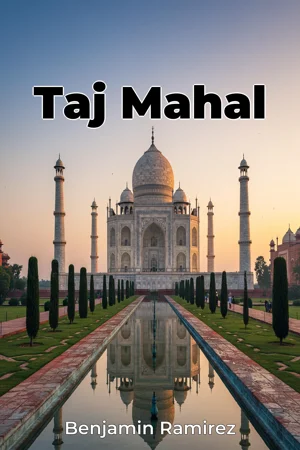
"Taj Mahal" explores the iconic monument beyond a symbol of love, examining its historical, architectural, and cultural significance within the Mughal Empire. Delving into 17th-century India under Shah Jahan, the book reveals how the Taj Mahal served as an assertion of imperial power and religious devotion, reflecting the zenith of Mughal artistic and administrative capabilities. The book highlights the intricate blend of Persian, Islamic, and Indian architectural styles, illustrating the monument's complex construction. The book offers a comprehensive perspective by integrating historical context with detailed architectural analysis and cultural interpretations. Structured in three parts, the book first introduces the Mughal Empire, then dissects the Taj Mahal's architecture, and finally analyzes the monument's symbolic meaning and place in India's national identity. This approach provides readers with a holistic understanding of the landmark's enduring legacy.
Book Details
ISBN
9788235276995
Publisher
Publifye AS
Your Licenses
You don't own any licenses for this book
Purchase a license below to unlock this book and download the EPUB.
Purchase License
Select a tier to unlock this book
Need bulk licensing?
Contact us for enterprise agreements.