
About This Book
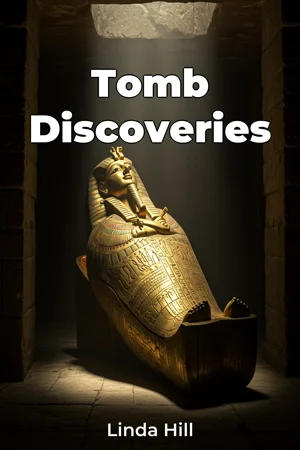
What secrets lie buried beneath the sands of time, and how have their unearthing transformed our understanding of the past? "Tomb Discoveries" delves into the earth to reveal the most significant archaeological finds, the priceless artifacts they contained, and the profound impact these discoveries have had on reshaping historical knowledge across civilizations. This book explores three key themes: the location and preservation of historically significant tombs, the cultural and technological context surrounding their creation, and the methods by which these discoveries have revolutionized our comprehension of ancient societies. These topics are critical because they provide direct tangible links to past civilizations, offering insights into their beliefs, social structures, and technological capabilities that written records alone cannot provide. Understanding these elements allows us to re-evaluate and refine accepted narratives of world history. Understanding the context requires a grasp of basic archaeological principles, historical timelines, and cultural anthropology. Familiarity with ancient civilizations, such as Egypt, China, and Mesopotamia, will enhance the reader's appreciation, though detailed background information will be provided. The central argument of "Tomb Discoveries" is that the excavation and analysis of tombs are not merely about finding treasure; they are about uncovering comprehensive narratives that challenge and expand our existing historical understanding. Through careful examination of burial practices, grave goods, and tomb architecture, we gain invaluable insight into the belief systems, social hierarchies, and daily lives of past peoples. The book begins by establishing the fundamental principles of archaeological excavation and dating, setting the stage for a chronological exploration of key tomb discoveries. The subsequent chapters will focus on, (1) the Egyptian tombs, examining the Valley of the Kings, the tomb of Tutankhamun, and other significant burials to understand royal power, religious beliefs, and mummification practices, (2) then the focus shifts to Chinese Imperial tombs highlighting the Terracotta Army of Emperor Qin Shi Huang, examining the scale and complexity of these mausoleums to illustrate the power and worldview of ancient Chinese rulers, and (3) finally, we will analyze the tombs of the Americas, including Mayan and Incan burial sites, focusing on the unique funerary rituals and social structures revealed by these discoveries. The evidence presented will be drawn from archaeological reports, scientific analyses of artifacts, and historical texts. The book will use photographs, illustrations, and maps to enhance the reader's understanding and engagement. Carbon dating, DNA analysis, and comparative cultural studies will be explained in detail. "Tomb Discoveries" intersects with several disciplines, including anthropology, art history, and religious studies. Anthropological insights help us understand social structures and cultural practices reflected in burial customs. Art historical analysis reveals the symbolism and aesthetic values of tomb artifacts. Religious studies illuminate the belief systems that shaped funerary rituals and afterlife concepts. This book takes a narrative approach, presenting the discoveries as compelling stories of exploration and revelation. The writing style aims to be accessible and engaging, making complex information understandable for a broad readership. The target audience includes history enthusiasts, archaeology buffs, students, and anyone curious about the past. This book will appeal to those seeking a deeper understanding of world history through the lens of archaeological discoveries. As a work of non-fiction, "Tomb Discoveries" adheres to the standards of academic rigor, presenting accurate and well-sourced information. While the book aims to be comprehensive, it acknowledges the limitations of archaeological interpretation and the ongoing nature of research. The information presented in this book has real-world applications for museum studies, heritage preservation, and archaeological tourism. It can also inform contemporary discussions about death, remembrance, and the treatment of cultural heritage. The interpretation of tomb artifacts and the ownership of cultural heritage are subjects of ongoing debate. This book will address these controversies, presenting different viewpoints and encouraging critical thinking. "Tomb Discoveries" offers a journey through time, revealing how the secrets of the past continue to shape our understanding of the present.
What secrets lie buried beneath the sands of time, and how have their unearthing transformed our understanding of the past? "Tomb Discoveries" delves into the earth to reveal the most significant archaeological finds, the priceless artifacts they contained, and the profound impact these discoveries have had on reshaping historical knowledge across civilizations. This book explores three key themes: the location and preservation of historically significant tombs, the cultural and technological context surrounding their creation, and the methods by which these discoveries have revolutionized our comprehension of ancient societies. These topics are critical because they provide direct tangible links to past civilizations, offering insights into their beliefs, social structures, and technological capabilities that written records alone cannot provide. Understanding these elements allows us to re-evaluate and refine accepted narratives of world history. Understanding the context requires a grasp of basic archaeological principles, historical timelines, and cultural anthropology. Familiarity with ancient civilizations, such as Egypt, China, and Mesopotamia, will enhance the reader's appreciation, though detailed background information will be provided. The central argument of "Tomb Discoveries" is that the excavation and analysis of tombs are not merely about finding treasure; they are about uncovering comprehensive narratives that challenge and expand our existing historical understanding. Through careful examination of burial practices, grave goods, and tomb architecture, we gain invaluable insight into the belief systems, social hierarchies, and daily lives of past peoples. The book begins by establishing the fundamental principles of archaeological excavation and dating, setting the stage for a chronological exploration of key tomb discoveries. The subsequent chapters will focus on, (1) the Egyptian tombs, examining the Valley of the Kings, the tomb of Tutankhamun, and other significant burials to understand royal power, religious beliefs, and mummification practices, (2) then the focus shifts to Chinese Imperial tombs highlighting the Terracotta Army of Emperor Qin Shi Huang, examining the scale and complexity of these mausoleums to illustrate the power and worldview of ancient Chinese rulers, and (3) finally, we will analyze the tombs of the Americas, including Mayan and Incan burial sites, focusing on the unique funerary rituals and social structures revealed by these discoveries. The evidence presented will be drawn from archaeological reports, scientific analyses of artifacts, and historical texts. The book will use photographs, illustrations, and maps to enhance the reader's understanding and engagement. Carbon dating, DNA analysis, and comparative cultural studies will be explained in detail. "Tomb Discoveries" intersects with several disciplines, including anthropology, art history, and religious studies. Anthropological insights help us understand social structures and cultural practices reflected in burial customs. Art historical analysis reveals the symbolism and aesthetic values of tomb artifacts. Religious studies illuminate the belief systems that shaped funerary rituals and afterlife concepts. This book takes a narrative approach, presenting the discoveries as compelling stories of exploration and revelation. The writing style aims to be accessible and engaging, making complex information understandable for a broad readership. The target audience includes history enthusiasts, archaeology buffs, students, and anyone curious about the past. This book will appeal to those seeking a deeper understanding of world history through the lens of archaeological discoveries. As a work of non-fiction, "Tomb Discoveries" adheres to the standards of academic rigor, presenting accurate and well-sourced information. While the book aims to be comprehensive, it acknowledges the limitations of archaeological interpretation and the ongoing nature of research. The information presented in this book has real-world applications for museum studies, heritage preservation, and archaeological tourism. It can also inform contemporary discussions about death, remembrance, and the treatment of cultural heritage. The interpretation of tomb artifacts and the ownership of cultural heritage are subjects of ongoing debate. This book will address these controversies, presenting different viewpoints and encouraging critical thinking. "Tomb Discoveries" offers a journey through time, revealing how the secrets of the past continue to shape our understanding of the present.
"Tomb Discoveries" unveils the secrets of the past by exploring significant archaeological finds and their impact on our understanding of ancient civilizations. The book delves into historically significant tombs, examining the cultural and technological contexts surrounding their creation, and how these discoveries have revolutionized our comprehension of ancient societies. These tangible links to past civilizations offer insights into beliefs, social structures, and technological capabilities that written records alone cannot provide. For example, the unearthing of the Terracotta Army provides insight into the scale and complexity of ancient Chinese power. The book begins by establishing archaeological principles and then progresses chronologically, focusing on key tomb discoveries across the globe. Chapters explore Egyptian tombs, including the Valley of the Kings and Tutankhamun's tomb, revealing royal power and religious beliefs. It then shifts to Chinese Imperial tombs, highlighting the Terracotta Army of Emperor Qin Shi Huang. Finally, it analyzes Mayan and Incan tombs, focusing on funerary rituals. "Tomb Discoveries" emphasizes that these excavations are not merely about finding treasure but about uncovering comprehensive narratives that challenge and expand our historical understanding, providing a narrative approach that makes history more accessible. Through a narrative approach, "Tomb Discoveries" presents these explorations as compelling stories, enhancing the reader's understanding with photographs, illustrations, and maps. This journey through time reveals how the secrets of ancient civilizations, like their unique funerary rituals, continue to shape our understanding of world history.
Book Details
ISBN
9788235276872
Publisher
Publifye AS
Your Licenses
You don't own any licenses for this book
Purchase a license below to unlock this book and download the EPUB.
Purchase License
Select a tier to unlock this book
Need bulk licensing?
Contact us for enterprise agreements.