
About This Book
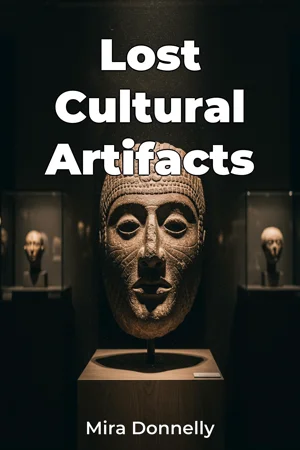
What if our understanding of history is incomplete, deliberately obscured by the absence of invaluable artifacts? "Lost Cultural Artifacts" embarks on a journey to uncover the hidden stories embedded within indigenous objects, exploring their profound historical significance and the complex, often fraught, efforts to repatriate stolen cultural treasures. This book delves into two central themes: the tangible and intangible value of indigenous artifacts and the ethical imperative of repatriation. Understanding these themes is important because these artifacts represent not just artistic achievement, but the living heritage of entire communities, holding vital clues to understanding human history and cultural diversity. The book provides a necessary historical and social context, examining the legacy of colonialism, museum practices, and international law as it relates to cultural property. No prior specialized knowledge is required. We clearly define key concepts such as "cultural patrimony," "provenance," and "indigenous intellectual property," ensuring the reader can easily engage with the core arguments. The central argument of "Lost Cultural Artifacts" is that the repatriation of indigenous artifacts is not merely a matter of righting past wrongs, but a crucial step towards fostering reconciliation, preserving cultural heritage, and enabling indigenous communities to reclaim their narratives. This argument's importance lies in its challenge to traditional power structures within the museum world and its call for a more equitable and collaborative approach to cultural preservation. The book is structured in four parts. First, we provide an overview of the concept of cultural heritage and its importance to indigenous communities worldwide. Secondly, it meticulously documents case studies of artifact theft and displacement. This section will focus on specific examples from different regions, illustrating the diverse ways in which cultural objects have been taken from their original contexts and the devastating impact this has had on indigenous communities. Thirdly, an exploration of the legal and ethical frameworks surrounding repatriation, including international conventions, national laws, and indigenous rights declarations. Finally, the book culminates in a discussion of the practical implications of repatriation. This includes examining the challenges and opportunities involved in returning artifacts, such as establishing provenance, ensuring proper care and preservation, and promoting collaboration between museums and indigenous communities. The evidence presented is based on a range of sources, including archaeological reports, museum archives, legal documents, and ethnographic research. It also draws upon firsthand interviews with indigenous leaders, museum professionals, and legal experts, providing a multi-faceted perspective on the issue. This book connects to other fields, such as anthropology, law, and museum studies. By examining the intersection of these disciplines, the book offers a more comprehensive understanding of the complex issues surrounding indigenous cultural heritage. This book analyzes the economic impact of artifact loss on indigenous communities, incorporating aspects of economic development and cultural tourism. "Lost Cultural Artifacts" approaches the topic through a lens of critical cultural heritage studies, challenging traditional narratives and prioritizing indigenous voices. It advocates for a more inclusive and participatory approach to cultural preservation, emphasizing the importance of collaboration and mutual respect. The tone is both academic and accessible, blending rigorous research with engaging storytelling to appeal to a broad audience. The target audience includes students, academics, museum professionals, policymakers, and anyone interested in cultural heritage, indigenous rights, and social justice. It is specifically relevant to those seeking to understand the ethical and legal complexities of artifact ownership and the role of museums in perpetuating or redressing historical injustices. As a work of history and social science, the book adheres to principles of factual accuracy, objectivity, and rigorous analysis. It acknowledges diverse perspectives and avoids making unsupported claims, presenting a balanced and nuanced account of the issues. The scope of the book encompasses a global perspective, examining cases of artifact theft and repatriation from different regions of the world. However, it acknowledges that each case is unique and that the specific challenges and opportunities involved will vary depending on the cultural context. The information presented in the book has real-world applications for museums seeking to develop more ethical collection policies, for policymakers seeking to address the legacy of colonialism, and for indigenous communities seeking to reclaim their cultural heritage. It offers practical guidance on how to navigate the complex legal and ethical issues surrounding repatriation, promoting dialogue and fostering collaboration between stakeholders. The book engages with ongoing debates surrounding the ownership and control of cultural property, including discussions about the role of museums in preserving and displaying artifacts, the rights of indigenous communities to self-determination, and the ethical responsibilities of collectors and dealers. It presents different perspectives on these issues, encouraging readers to critically examine their own assumptions and biases.
What if our understanding of history is incomplete, deliberately obscured by the absence of invaluable artifacts? "Lost Cultural Artifacts" embarks on a journey to uncover the hidden stories embedded within indigenous objects, exploring their profound historical significance and the complex, often fraught, efforts to repatriate stolen cultural treasures. This book delves into two central themes: the tangible and intangible value of indigenous artifacts and the ethical imperative of repatriation. Understanding these themes is important because these artifacts represent not just artistic achievement, but the living heritage of entire communities, holding vital clues to understanding human history and cultural diversity. The book provides a necessary historical and social context, examining the legacy of colonialism, museum practices, and international law as it relates to cultural property. No prior specialized knowledge is required. We clearly define key concepts such as "cultural patrimony," "provenance," and "indigenous intellectual property," ensuring the reader can easily engage with the core arguments. The central argument of "Lost Cultural Artifacts" is that the repatriation of indigenous artifacts is not merely a matter of righting past wrongs, but a crucial step towards fostering reconciliation, preserving cultural heritage, and enabling indigenous communities to reclaim their narratives. This argument's importance lies in its challenge to traditional power structures within the museum world and its call for a more equitable and collaborative approach to cultural preservation. The book is structured in four parts. First, we provide an overview of the concept of cultural heritage and its importance to indigenous communities worldwide. Secondly, it meticulously documents case studies of artifact theft and displacement. This section will focus on specific examples from different regions, illustrating the diverse ways in which cultural objects have been taken from their original contexts and the devastating impact this has had on indigenous communities. Thirdly, an exploration of the legal and ethical frameworks surrounding repatriation, including international conventions, national laws, and indigenous rights declarations. Finally, the book culminates in a discussion of the practical implications of repatriation. This includes examining the challenges and opportunities involved in returning artifacts, such as establishing provenance, ensuring proper care and preservation, and promoting collaboration between museums and indigenous communities. The evidence presented is based on a range of sources, including archaeological reports, museum archives, legal documents, and ethnographic research. It also draws upon firsthand interviews with indigenous leaders, museum professionals, and legal experts, providing a multi-faceted perspective on the issue. This book connects to other fields, such as anthropology, law, and museum studies. By examining the intersection of these disciplines, the book offers a more comprehensive understanding of the complex issues surrounding indigenous cultural heritage. This book analyzes the economic impact of artifact loss on indigenous communities, incorporating aspects of economic development and cultural tourism. "Lost Cultural Artifacts" approaches the topic through a lens of critical cultural heritage studies, challenging traditional narratives and prioritizing indigenous voices. It advocates for a more inclusive and participatory approach to cultural preservation, emphasizing the importance of collaboration and mutual respect. The tone is both academic and accessible, blending rigorous research with engaging storytelling to appeal to a broad audience. The target audience includes students, academics, museum professionals, policymakers, and anyone interested in cultural heritage, indigenous rights, and social justice. It is specifically relevant to those seeking to understand the ethical and legal complexities of artifact ownership and the role of museums in perpetuating or redressing historical injustices. As a work of history and social science, the book adheres to principles of factual accuracy, objectivity, and rigorous analysis. It acknowledges diverse perspectives and avoids making unsupported claims, presenting a balanced and nuanced account of the issues. The scope of the book encompasses a global perspective, examining cases of artifact theft and repatriation from different regions of the world. However, it acknowledges that each case is unique and that the specific challenges and opportunities involved will vary depending on the cultural context. The information presented in the book has real-world applications for museums seeking to develop more ethical collection policies, for policymakers seeking to address the legacy of colonialism, and for indigenous communities seeking to reclaim their cultural heritage. It offers practical guidance on how to navigate the complex legal and ethical issues surrounding repatriation, promoting dialogue and fostering collaboration between stakeholders. The book engages with ongoing debates surrounding the ownership and control of cultural property, including discussions about the role of museums in preserving and displaying artifacts, the rights of indigenous communities to self-determination, and the ethical responsibilities of collectors and dealers. It presents different perspectives on these issues, encouraging readers to critically examine their own assumptions and biases.
"Lost Cultural Artifacts" explores the complex world of indigenous cultural heritage, focusing on the theft and repatriation of invaluable artifacts. It delves into the profound significance these objects hold for indigenous communities, representing not just art, but a living link to their history and identity. The book highlights the urgent need to address past wrongs and foster reconciliation through the return of these cultural treasures, arguing that repatriation is essential for preserving cultural heritage and empowering indigenous communities to reclaim their narratives. The book examines the historical and social context surrounding artifact theft, including the legacy of colonialism and evolving museum practices. It meticulously documents case studies of artifact displacement from various regions, illustrating the devastating impact on indigenous communities. Furthermore, it explores the legal and ethical frameworks guiding repatriation efforts, including international conventions and indigenous rights declarations. Structured in four parts, "Lost Cultural Artifacts" begins with an overview of cultural heritage and its importance. It progresses through case studies, legal frameworks, and culminates in a discussion of practical implications for repatriation. By challenging traditional narratives and prioritizing indigenous voices, this book advocates for a more inclusive and participatory approach to cultural preservation and social justice.
Book Details
ISBN
9788235276773
Publisher
Publifye AS
Your Licenses
You don't own any licenses for this book
Purchase a license below to unlock this book and download the EPUB.
Purchase License
Select a tier to unlock this book
Need bulk licensing?
Contact us for enterprise agreements.