
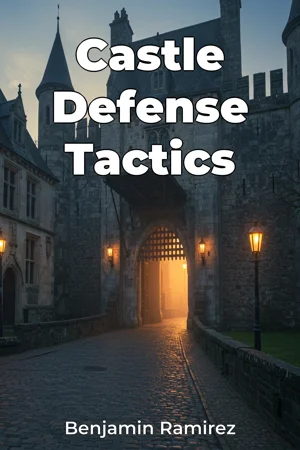
About This Book
How did medieval castles, iconic symbols of power and security, truly function as engines of war? *Castle Defense Tactics* delves into the complex engineering and tactical deployments that transformed these structures into formidable defensive networks and instruments of control throughout the medieval period. This book explores not only the architectural marvels of castle construction but also the strategic thinking behind their design and utilization. We will investigate two critical components of medieval castle defense: the evolution of castle architecture and the concurrent development of military tactics employed both within and against these fortifications. Understanding these interconnected elements is critical because it reveals how castles shaped the balance of power, influenced warfare, and dictated social hierarchies. The historical, social, and technological context provides the necessary framework for understanding the choices made by castle builders and military leaders. Readers should possess a basic understanding of medieval history and military terminology to fully appreciate the detailed analysis presented. The central argument of this book asserts that the effectiveness of medieval castles as defensive structures was not solely determined by their physical attributes but by the integration of architectural design with adaptable and innovative defense strategies. This integration allowed castles to remain relevant and strategically important despite advances in siege technology. *Castle Defense Tactics* is structured to provide a thorough understanding of castle design and defensive strategies. First, we introduce the fundamental architectural components of medieval castles, examining motte-and-baileys, keeps, concentric designs, and gatehouses. We detail the structural elements that provided layers of defense. Next, the book explores the development of defense tactics and weaponry used within castles. Major points include siege warfare strategies, such as mining, trebuchet bombardments, and direct assaults, and how castle defenders countered them with arrow slits, machicolations, and sallying forth. We will also explore the impact of technological advancements, such as the longbow and gunpowder, on castle defense. Finally, we analyze case studies of famous sieges, illustrating the application of specific defensive tactics and the vulnerabilities of even the most formidable castles. The culmination explores the long-term impact of castle design and siege warfare on military and architectural strategies. Evidence presented comes from extensive research of primary sources like medieval chronicles, siege accounts, and architectural surveys of surviving castles. It also incorporates secondary scholarship from architectural historians, military theorists, and archaeologists. The interdisciplinary approach connects military history, architectural history, and social history. The study of siege warfare connects to engineering and material science through the analysis of siege weaponry and building materials. Understanding castle defense necessitates an understanding of social dynamics and political power structures. What sets this book apart is its focus on the dynamic interplay between castle architecture and siege tactics, emphasizing that castles were not static fortresses but constantly evolving responses to the changing landscape of medieval warfare. The tone is academic yet accessible, aiming to engage both scholars and enthusiasts with detailed analysis and vivid descriptions. The target audience includes military history buffs, architectural enthusiasts, students of medieval history, and wargamers seeking a deeper understanding of castle warfare. It will appeal to those interested in the strategic and technological aspects of medieval life. As a work of military history and architectural analysis, this book adheres to the genre's conventions of rigorous research, clear presentation of evidence, and balanced interpretations. The scope of this book is limited to the medieval period, primarily focusing on castles in Western Europe. While referencing developments in other regions, the core analysis remains within this geographical and temporal framework. The information can be applied practically by understanding the strategic principles of defense and control, which are applicable in modern security and architectural design. While not a primary focus, the ongoing debates about the relative effectiveness of different castle designs and siege tactics are addressed, presenting various perspectives and interpretations.
How did medieval castles, iconic symbols of power and security, truly function as engines of war? *Castle Defense Tactics* delves into the complex engineering and tactical deployments that transformed these structures into formidable defensive networks and instruments of control throughout the medieval period. This book explores not only the architectural marvels of castle construction but also the strategic thinking behind their design and utilization. We will investigate two critical components of medieval castle defense: the evolution of castle architecture and the concurrent development of military tactics employed both within and against these fortifications. Understanding these interconnected elements is critical because it reveals how castles shaped the balance of power, influenced warfare, and dictated social hierarchies. The historical, social, and technological context provides the necessary framework for understanding the choices made by castle builders and military leaders. Readers should possess a basic understanding of medieval history and military terminology to fully appreciate the detailed analysis presented. The central argument of this book asserts that the effectiveness of medieval castles as defensive structures was not solely determined by their physical attributes but by the integration of architectural design with adaptable and innovative defense strategies. This integration allowed castles to remain relevant and strategically important despite advances in siege technology. *Castle Defense Tactics* is structured to provide a thorough understanding of castle design and defensive strategies. First, we introduce the fundamental architectural components of medieval castles, examining motte-and-baileys, keeps, concentric designs, and gatehouses. We detail the structural elements that provided layers of defense. Next, the book explores the development of defense tactics and weaponry used within castles. Major points include siege warfare strategies, such as mining, trebuchet bombardments, and direct assaults, and how castle defenders countered them with arrow slits, machicolations, and sallying forth. We will also explore the impact of technological advancements, such as the longbow and gunpowder, on castle defense. Finally, we analyze case studies of famous sieges, illustrating the application of specific defensive tactics and the vulnerabilities of even the most formidable castles. The culmination explores the long-term impact of castle design and siege warfare on military and architectural strategies. Evidence presented comes from extensive research of primary sources like medieval chronicles, siege accounts, and architectural surveys of surviving castles. It also incorporates secondary scholarship from architectural historians, military theorists, and archaeologists. The interdisciplinary approach connects military history, architectural history, and social history. The study of siege warfare connects to engineering and material science through the analysis of siege weaponry and building materials. Understanding castle defense necessitates an understanding of social dynamics and political power structures. What sets this book apart is its focus on the dynamic interplay between castle architecture and siege tactics, emphasizing that castles were not static fortresses but constantly evolving responses to the changing landscape of medieval warfare. The tone is academic yet accessible, aiming to engage both scholars and enthusiasts with detailed analysis and vivid descriptions. The target audience includes military history buffs, architectural enthusiasts, students of medieval history, and wargamers seeking a deeper understanding of castle warfare. It will appeal to those interested in the strategic and technological aspects of medieval life. As a work of military history and architectural analysis, this book adheres to the genre's conventions of rigorous research, clear presentation of evidence, and balanced interpretations. The scope of this book is limited to the medieval period, primarily focusing on castles in Western Europe. While referencing developments in other regions, the core analysis remains within this geographical and temporal framework. The information can be applied practically by understanding the strategic principles of defense and control, which are applicable in modern security and architectural design. While not a primary focus, the ongoing debates about the relative effectiveness of different castle designs and siege tactics are addressed, presenting various perspectives and interpretations.
*Castle Defense Tactics* explores the intricate relationship between medieval castle architecture and the military strategies employed to defend them. Far from being static structures, castles evolved dynamically in response to ever-changing siege warfare techniques. The book emphasizes how architectural elements like motte-and-baileys, keeps, and concentric designs were strategically integrated with innovative defense tactics, such as utilizing arrow slits and sallying forth, to maintain their strategic importance. The book investigates the evolution of castle design alongside the development of military tactics, revealing how these elements collectively influenced the balance of power and social hierarchies. By drawing upon medieval chronicles, siege accounts, and architectural surveys, the book provides a comprehensive understanding of the historical, social, and technological contexts that shaped castle construction and military leadership. Case studies of famous sieges provide tangible examples of how specific defensive tactics were applied and how even the most formidable castles could be vulnerable. This examination of castle defense is structured to build a thorough understanding of both castle design and defensive strategies. Beginning with the fundamental architectural components and progressing through the development of defense tactics and weaponry, the book culminates in an analysis of the long-term impact of castle design and siege warfare on military and architectural strategies. This approach highlights the dynamic interplay between architecture and military tactics.
Book Details
ISBN
9788235276759
Publisher
Publifye AS
Your Licenses
You don't own any licenses for this book
Purchase a license below to unlock this book and download the EPUB.
Purchase License
Select a tier to unlock this book
Need bulk licensing?
Contact us for enterprise agreements.