
About This Book
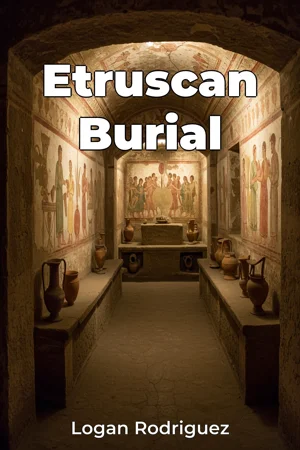
What can the elaborate remains of a lost civilization tell us about life, death, and the afterlife? "Etruscan Burial" delves into the rich and complex funerary practices of the Etruscans, an ancient people who thrived in Italy before the rise of Rome, revealing their sophisticated worldview and lasting impact on Western culture. This book examines Etruscan tombs not merely as burial sites, but as vibrant reflections of social status, religious beliefs, and artistic achievement. The key topics explored are the architectural evolution of Etruscan tombs, the significance of the grave goods interred within them, and the funerary rituals that accompanied burial. These elements are vital for understanding Etruscan society because they provide tangible evidence of their beliefs about death and the afterlife, their social hierarchies, and their engagement with trade and artistic innovation. By examining these aspects, "Etruscan Burial" reconstructs a comprehensive picture of Etruscan civilization. To fully appreciate the Etruscan burial customs, a background understanding of the Etruscan civilization’s timeline, geographical location, and interactions with neighboring cultures, particularly the Greeks and Romans, is helpful. Before the rise of Rome, the Etruscans dominated a large swath of Italy, leaving behind a legacy of art, architecture, and religious practices. The book provides the necessary historical context to understand the unique character of Etruscan society and its eventual absorption into the Roman Republic. The central argument of "Etruscan Burial" is that Etruscan funerary practices, with their distinctive art, architecture, and rituals, offer a crucial window into understanding their unique cultural identity and its impact on the developing Roman civilization. This argument is significant because it challenges the conventional view of the Etruscans as merely a precursor to Rome, instead highlighting their unique achievements and contributions. The book begins with an introduction to Etruscan history and culture (a), then systematically examines the evolution of Etruscan tombs from simple pit graves to elaborate, multi-chambered structures adorned with frescoes, exploring regional variations and chronological developments (b). It then analyzes the contents of these tombs, including pottery, metalwork, jewelry, and other grave goods, revealing insights into social status, trade networks, and religious beliefs (b). The book concludes by examining Etruscan funerary rituals, drawing upon archaeological evidence, iconographic analysis, and ancient literary sources to reconstruct the ceremonies and beliefs surrounding death and the afterlife (c). The book culminates in an exploration of how Etruscan burial practices influenced Roman customs, demonstrating the lasting legacy of Etruscan culture (d). "Etruscan Burial" draws upon a wide range of evidence, including archaeological excavations of Etruscan cemeteries, analyses of tomb architecture and art, and interpretations of Etruscan inscriptions. It also incorporates comparative evidence from other ancient cultures, such as the Greeks and Egyptians, to provide a broader context for understanding Etruscan burial customs. Unique data sources include detailed surveys of Etruscan tombs and analyses of the pigments used in Etruscan frescoes. This book connects to other fields such as art history, archaeology, and religious studies. The study of Etruscan funerary art offers insights into ancient artistic techniques and styles. Archaeological work provides evidence about trade and technology. The religious aspects of burial practices shed light on ancient belief systems. These connections enrich the book's arguments. "Etruscan Burial" offers a fresh look at the Etruscans, moving beyond traditional historical narratives to focus on the insights provided by their burial customs. By combining archaeological evidence with art historical analysis and religious studies, the book offers a nuanced understanding of Etruscan society and its place in the ancient world. Written in a clear and accessible style, "Etruscan Burial" is aimed at anyone interested in ancient history, archaeology, art, and religion. It would be valuable to students, scholars, and general readers alike. The tone is academic but accessible and engaging. As a historical study, the book provides facts based on archaeological and historical findings. The book focuses primarily on the Etruscan heartland in central Italy, with limited discussion of Etruscan settlements in other regions. It concentrates on burial practices during the Villanovan and Etruscan periods (c. 900-100 BCE), with less attention paid to earlier or later periods. Understanding Etruscan burial customs provides insights into the development of Western art, architecture, and religious beliefs. It also underscores the importance of preserving archaeological sites for future generations. While there is general agreement on the basic facts of Etruscan history and culture, there are ongoing debates about the origins of the Etruscans, the interpretation of Etruscan inscriptions, and the precise nature of their religious beliefs. "Etruscan Burial" engages with these debates, presenting different perspectives and offering its own interpretations based on the available evidence.
What can the elaborate remains of a lost civilization tell us about life, death, and the afterlife? "Etruscan Burial" delves into the rich and complex funerary practices of the Etruscans, an ancient people who thrived in Italy before the rise of Rome, revealing their sophisticated worldview and lasting impact on Western culture. This book examines Etruscan tombs not merely as burial sites, but as vibrant reflections of social status, religious beliefs, and artistic achievement. The key topics explored are the architectural evolution of Etruscan tombs, the significance of the grave goods interred within them, and the funerary rituals that accompanied burial. These elements are vital for understanding Etruscan society because they provide tangible evidence of their beliefs about death and the afterlife, their social hierarchies, and their engagement with trade and artistic innovation. By examining these aspects, "Etruscan Burial" reconstructs a comprehensive picture of Etruscan civilization. To fully appreciate the Etruscan burial customs, a background understanding of the Etruscan civilization’s timeline, geographical location, and interactions with neighboring cultures, particularly the Greeks and Romans, is helpful. Before the rise of Rome, the Etruscans dominated a large swath of Italy, leaving behind a legacy of art, architecture, and religious practices. The book provides the necessary historical context to understand the unique character of Etruscan society and its eventual absorption into the Roman Republic. The central argument of "Etruscan Burial" is that Etruscan funerary practices, with their distinctive art, architecture, and rituals, offer a crucial window into understanding their unique cultural identity and its impact on the developing Roman civilization. This argument is significant because it challenges the conventional view of the Etruscans as merely a precursor to Rome, instead highlighting their unique achievements and contributions. The book begins with an introduction to Etruscan history and culture (a), then systematically examines the evolution of Etruscan tombs from simple pit graves to elaborate, multi-chambered structures adorned with frescoes, exploring regional variations and chronological developments (b). It then analyzes the contents of these tombs, including pottery, metalwork, jewelry, and other grave goods, revealing insights into social status, trade networks, and religious beliefs (b). The book concludes by examining Etruscan funerary rituals, drawing upon archaeological evidence, iconographic analysis, and ancient literary sources to reconstruct the ceremonies and beliefs surrounding death and the afterlife (c). The book culminates in an exploration of how Etruscan burial practices influenced Roman customs, demonstrating the lasting legacy of Etruscan culture (d). "Etruscan Burial" draws upon a wide range of evidence, including archaeological excavations of Etruscan cemeteries, analyses of tomb architecture and art, and interpretations of Etruscan inscriptions. It also incorporates comparative evidence from other ancient cultures, such as the Greeks and Egyptians, to provide a broader context for understanding Etruscan burial customs. Unique data sources include detailed surveys of Etruscan tombs and analyses of the pigments used in Etruscan frescoes. This book connects to other fields such as art history, archaeology, and religious studies. The study of Etruscan funerary art offers insights into ancient artistic techniques and styles. Archaeological work provides evidence about trade and technology. The religious aspects of burial practices shed light on ancient belief systems. These connections enrich the book's arguments. "Etruscan Burial" offers a fresh look at the Etruscans, moving beyond traditional historical narratives to focus on the insights provided by their burial customs. By combining archaeological evidence with art historical analysis and religious studies, the book offers a nuanced understanding of Etruscan society and its place in the ancient world. Written in a clear and accessible style, "Etruscan Burial" is aimed at anyone interested in ancient history, archaeology, art, and religion. It would be valuable to students, scholars, and general readers alike. The tone is academic but accessible and engaging. As a historical study, the book provides facts based on archaeological and historical findings. The book focuses primarily on the Etruscan heartland in central Italy, with limited discussion of Etruscan settlements in other regions. It concentrates on burial practices during the Villanovan and Etruscan periods (c. 900-100 BCE), with less attention paid to earlier or later periods. Understanding Etruscan burial customs provides insights into the development of Western art, architecture, and religious beliefs. It also underscores the importance of preserving archaeological sites for future generations. While there is general agreement on the basic facts of Etruscan history and culture, there are ongoing debates about the origins of the Etruscans, the interpretation of Etruscan inscriptions, and the precise nature of their religious beliefs. "Etruscan Burial" engages with these debates, presenting different perspectives and offering its own interpretations based on the available evidence.
"Etruscan Burial" explores the funerary practices of the Etruscans, revealing insights into their civilization, which flourished in ancient Italy before Roman dominance. By examining Etruscan tombs, the book highlights how these burial sites reflect social hierarchies, religious beliefs, and artistic achievements. The Etruscans, known for their advanced society, left behind elaborate tombs filled with grave goods, offering tangible evidence of their worldview. The book emphasizes that understanding Etruscan burial customs is vital to grasping the depth of Etruscan culture. The book details the evolution of Etruscan tombs, from simple graves to complex structures adorned with frescoes, showcasing regional variations and chronological developments. It also analyzes grave goods like pottery and metalwork, revealing information about trade networks and social status. The study of Etruscan burial practices, art, and architecture provides a window into understanding the development of Western art, religious beliefs, and the unique cultural identity of the Etruscans, who were not merely a precursor to Rome. Beginning with an introduction to Etruscan history and culture, the book methodically examines the evolution of tombs, analyzes their contents, and reconstructs funerary rituals using archaeological and literary sources. It culminates in an exploration of the Etruscan influence on Roman customs, showcasing the lasting legacy of this ancient civilization.
Book Details
ISBN
9788235276728
Publisher
Publifye AS
Your Licenses
You don't own any licenses for this book
Purchase a license below to unlock this book and download the EPUB.
Purchase License
Select a tier to unlock this book
Need bulk licensing?
Contact us for enterprise agreements.