
About This Book
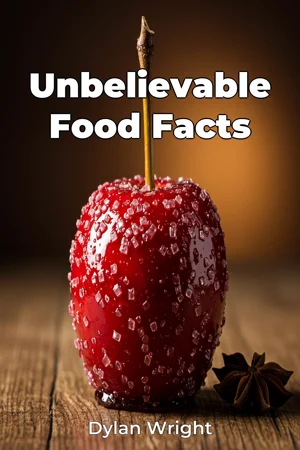
Did you know that the vibrant red color of some candies comes from insects, or that the seemingly simple act of tasting involves a complex interplay of senses, genetics, and even your past experiences? "Unbelievable Food Facts" delves into these and many other surprising realities about the food we consume every day, revealing the unexpected origins, hidden ingredients, and fascinating science that shape our culinary world. This book explores three core themes: the surprising histories of common foods, the often-obscured ingredients that make up our meals, and the intricate science behind taste perception and food cravings. These themes are crucial because understanding the truth about our food allows us to make more informed choices, appreciate the global forces that shape our diets, and ultimately, develop a healthier relationship with what we eat. From tracing the origins of chocolate from ancient Mesoamerica to unraveling the story of how potatoes became a global staple, history provides critical context. Social factors, such as cultural food traditions and the impact of advertising, also play a significant role in shaping our eating habits. Scientifically, "Unbelievable Food Facts" requires a foundational understanding of biology, chemistry, and sensory perception. The central argument is that food is far more complex and fascinating than most people realize. By demystifying food production, ingredient sourcing, and the science of taste, "Unbelievable Food Facts" aims to empower readers with a deeper, more nuanced understanding of their diets and the world around them. The book begins by introducing the basic concepts of food history, ingredient analysis, and sensory science. It then moves through three major sections. The first section uncovers the surprising origins of foods ranging from everyday staples to exotic delicacies, revealing their cultural significance and historical journeys. The second dissects the hidden ingredients found in processed foods, examining their sources, manufacturing processes, and potential health implications. The final section explores the science behind taste and cravings, explaining how our senses, genetics, and psychology interact to influence what and how we eat. The book culminates by examining the practical applications of this knowledge, offering insights into mindful eating, sustainable food choices, and navigating the complexities of the modern food system. Throughout, claims are supported with evidence from historical records, scientific studies published in peer-reviewed journals, and data from food industry reports. The book draws upon research from fields such as agricultural history, food chemistry, sensory science, and consumer psychology. "Unbelievable Food Facts" also connects to other disciplines, including anthropology (exploring cultural food traditions), economics (analyzing the impact of food production and distribution), and environmental science (examining the sustainability of our food systems). These interdisciplinary connections enrich the book's argument by showcasing the far-reaching implications of our food choices. The book takes a unique approach by combining historical narratives, scientific explanations, and practical advice in an accessible and engaging manner. It avoids jargon and presents complex information in a clear and concise style, making it suitable for a broad audience. Written in a conversational yet informative tone, "Unbelievable Food Facts" targets a general audience interested in learning more about the world of food. This book would be valuable to anyone seeking to expand their culinary knowledge, make more informed dietary choices, or simply satisfy their curiosity about the foods they eat every day. As a work of food writing and science, the book adheres to principles of accuracy, objectivity, and transparency, providing reliable information and avoiding sensationalism. While the book covers a wide range of food-related topics, it intentionally limits its scope to focus on factual information and avoids offering specific dietary recommendations. Ultimately, the information presented in "Unbelievable Food Facts" can be applied to everyday life by encouraging mindful eating habits, promoting sustainable food choices, and empowering consumers to navigate the complexities of the food industry with greater awareness. While the book touches on some ongoing debates regarding food production and nutrition, such as the use of genetically modified organisms and the impact of processed foods on health, it aims to present a balanced and informative overview rather than advocating for a particular viewpoint.
Did you know that the vibrant red color of some candies comes from insects, or that the seemingly simple act of tasting involves a complex interplay of senses, genetics, and even your past experiences? "Unbelievable Food Facts" delves into these and many other surprising realities about the food we consume every day, revealing the unexpected origins, hidden ingredients, and fascinating science that shape our culinary world. This book explores three core themes: the surprising histories of common foods, the often-obscured ingredients that make up our meals, and the intricate science behind taste perception and food cravings. These themes are crucial because understanding the truth about our food allows us to make more informed choices, appreciate the global forces that shape our diets, and ultimately, develop a healthier relationship with what we eat. From tracing the origins of chocolate from ancient Mesoamerica to unraveling the story of how potatoes became a global staple, history provides critical context. Social factors, such as cultural food traditions and the impact of advertising, also play a significant role in shaping our eating habits. Scientifically, "Unbelievable Food Facts" requires a foundational understanding of biology, chemistry, and sensory perception. The central argument is that food is far more complex and fascinating than most people realize. By demystifying food production, ingredient sourcing, and the science of taste, "Unbelievable Food Facts" aims to empower readers with a deeper, more nuanced understanding of their diets and the world around them. The book begins by introducing the basic concepts of food history, ingredient analysis, and sensory science. It then moves through three major sections. The first section uncovers the surprising origins of foods ranging from everyday staples to exotic delicacies, revealing their cultural significance and historical journeys. The second dissects the hidden ingredients found in processed foods, examining their sources, manufacturing processes, and potential health implications. The final section explores the science behind taste and cravings, explaining how our senses, genetics, and psychology interact to influence what and how we eat. The book culminates by examining the practical applications of this knowledge, offering insights into mindful eating, sustainable food choices, and navigating the complexities of the modern food system. Throughout, claims are supported with evidence from historical records, scientific studies published in peer-reviewed journals, and data from food industry reports. The book draws upon research from fields such as agricultural history, food chemistry, sensory science, and consumer psychology. "Unbelievable Food Facts" also connects to other disciplines, including anthropology (exploring cultural food traditions), economics (analyzing the impact of food production and distribution), and environmental science (examining the sustainability of our food systems). These interdisciplinary connections enrich the book's argument by showcasing the far-reaching implications of our food choices. The book takes a unique approach by combining historical narratives, scientific explanations, and practical advice in an accessible and engaging manner. It avoids jargon and presents complex information in a clear and concise style, making it suitable for a broad audience. Written in a conversational yet informative tone, "Unbelievable Food Facts" targets a general audience interested in learning more about the world of food. This book would be valuable to anyone seeking to expand their culinary knowledge, make more informed dietary choices, or simply satisfy their curiosity about the foods they eat every day. As a work of food writing and science, the book adheres to principles of accuracy, objectivity, and transparency, providing reliable information and avoiding sensationalism. While the book covers a wide range of food-related topics, it intentionally limits its scope to focus on factual information and avoids offering specific dietary recommendations. Ultimately, the information presented in "Unbelievable Food Facts" can be applied to everyday life by encouraging mindful eating habits, promoting sustainable food choices, and empowering consumers to navigate the complexities of the food industry with greater awareness. While the book touches on some ongoing debates regarding food production and nutrition, such as the use of genetically modified organisms and the impact of processed foods on health, it aims to present a balanced and informative overview rather than advocating for a particular viewpoint.
"Unbelievable Food Facts" unveils the hidden world behind our plates, exploring the surprising origins, obscured ingredients, and fascinating science that shape our culinary experiences. Did you know that the seemingly simple act of tasting involves a complex interplay of senses, genetics, and past experiences? Or that some vibrant red candies derive their color from insects? This book demystifies food production, ingredient sourcing, and the science of taste, revealing the cultural significance and historical journeys of everyday staples. The book progresses through three major sections: uncovering the origins of foods, dissecting hidden ingredients in processed foods, and exploring the science behind taste and food cravings. By blending historical narratives, scientific explanations, and practical insights, "Unbelievable Food Facts" empowers readers to develop a deeper understanding of their diets. This approach allows readers to make more informed choices, appreciate the global forces shaping our diets, and cultivate a healthier relationship with food, including mindful eating and sustainable food choices.
Book Details
ISBN
9788235276667
Publisher
Publifye AS
Your Licenses
You don't own any licenses for this book
Purchase a license below to unlock this book and download the EPUB.
Purchase License
Select a tier to unlock this book
Need bulk licensing?
Contact us for enterprise agreements.