
About This Book
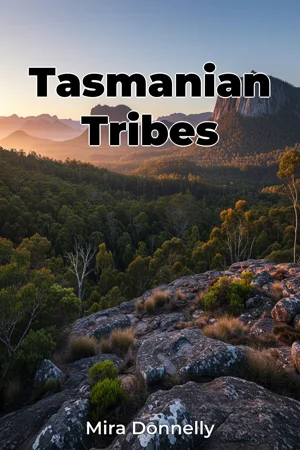
What happened to the original inhabitants of Tasmania, and how did their ancient culture intersect with the forces of European colonization? "Tasmanian Tribes" delves into the compelling and often tragic history of Tasmania's Indigenous people, offering a comprehensive account of their culture, society, and the profound impact of European arrival and settlement. This book addresses the crucial need to understand the complexities of Tasmanian Aboriginal history, a narrative often overlooked or misrepresented. It examines pre-colonial life, the brutal realities of colonial contact, and the enduring legacy of resilience and cultural survival. The book focuses on three core themes: reconstructing pre-colonial Tasmanian Aboriginal life; analyzing the dynamics of colonial violence and dispossession; and exploring the persistence and revitalization of Aboriginal culture in the face of immense adversity. These themes are vital for comprehending the full scope of Tasmanian history and for fostering a more accurate and respectful understanding of Aboriginal experiences. To provide essential context, the book draws upon archaeological evidence, early colonial records, oral histories, and contemporary anthropological research. Readers will gain understanding of Aboriginal social structures, land management practices, spiritual beliefs, and technological innovations prior to 1803. The central argument of "Tasmanian Tribes" is that the misconception of Tasmanian Aboriginal extinction is a harmful fabrication. The book demonstrates that despite facing near annihilation, Tasmanian Aboriginal people have maintained a continuous cultural and genetic presence in Tasmania, actively working to reclaim their heritage and assert their rights. The book begins by painting a vivid picture of pre-colonial Tasmania, examining Aboriginal kinship systems, seasonal movements, and resource utilization. It then transitions to an in-depth analysis of the period of colonial contact, detailing the escalating violence, land theft, and forced removal policies that decimated Aboriginal communities. A significant portion of the book is dedicated to exploring the so-called "Black War," a period of intense conflict between Aboriginal people and European settlers, and its long-lasting consequences. Finally, the book concludes by highlighting the ongoing struggles and triumphs of contemporary Tasmanian Aboriginal people, showcasing their efforts to preserve their culture, achieve self-determination, and challenge historical injustices. The evidence presented in "Tasmanian Tribes" is derived from a variety of sources, including meticulously analyzed archaeological findings, transcribed oral histories passed down through generations, and critical assessments of colonial documents, which often reveal biases and inaccuracies. The book also integrates insights from genetics studies, providing scientific support for the continuing Aboriginal presence in Tasmania. Interdisciplinary connections enhance the book's argument by drawing from fields, such as anthropology, archaeology, history, and genetics. This holistic approach gives a more complete and nuanced view of Tasmanian Aboriginal history. "Tasmanian Tribes" stands out by foregrounding Aboriginal voices and perspectives, challenging dominant narratives and promoting a more equitable understanding of the past. Written in an accessible yet scholarly style, "Tasmanian Tribes" is intended for anyone interested in Aboriginal history, colonial studies, and social justice. It offers valuable information for students, researchers, and general readers seeking to deepen their understanding of this critical aspect of Australian history. As a work of history and social science, "Tasmanian Tribes" adheres to rigorous standards of evidence and interpretation. While the book aims to provide a comprehensive overview, it acknowledges the limitations of historical sources and the ongoing nature of research in this field. The insights in this book can be applied to contemporary discussions about reconciliation, Indigenous rights, and the legacy of colonialism in other parts of the world. The book directly addresses the controversial topic of Aboriginal extinction in Tasmania and offers a counter-narrative supported by substantial evidence. "Tasmanian Tribes" seeks to provide a balanced and informed perspective on this complex and emotionally charged subject.
What happened to the original inhabitants of Tasmania, and how did their ancient culture intersect with the forces of European colonization? "Tasmanian Tribes" delves into the compelling and often tragic history of Tasmania's Indigenous people, offering a comprehensive account of their culture, society, and the profound impact of European arrival and settlement. This book addresses the crucial need to understand the complexities of Tasmanian Aboriginal history, a narrative often overlooked or misrepresented. It examines pre-colonial life, the brutal realities of colonial contact, and the enduring legacy of resilience and cultural survival. The book focuses on three core themes: reconstructing pre-colonial Tasmanian Aboriginal life; analyzing the dynamics of colonial violence and dispossession; and exploring the persistence and revitalization of Aboriginal culture in the face of immense adversity. These themes are vital for comprehending the full scope of Tasmanian history and for fostering a more accurate and respectful understanding of Aboriginal experiences. To provide essential context, the book draws upon archaeological evidence, early colonial records, oral histories, and contemporary anthropological research. Readers will gain understanding of Aboriginal social structures, land management practices, spiritual beliefs, and technological innovations prior to 1803. The central argument of "Tasmanian Tribes" is that the misconception of Tasmanian Aboriginal extinction is a harmful fabrication. The book demonstrates that despite facing near annihilation, Tasmanian Aboriginal people have maintained a continuous cultural and genetic presence in Tasmania, actively working to reclaim their heritage and assert their rights. The book begins by painting a vivid picture of pre-colonial Tasmania, examining Aboriginal kinship systems, seasonal movements, and resource utilization. It then transitions to an in-depth analysis of the period of colonial contact, detailing the escalating violence, land theft, and forced removal policies that decimated Aboriginal communities. A significant portion of the book is dedicated to exploring the so-called "Black War," a period of intense conflict between Aboriginal people and European settlers, and its long-lasting consequences. Finally, the book concludes by highlighting the ongoing struggles and triumphs of contemporary Tasmanian Aboriginal people, showcasing their efforts to preserve their culture, achieve self-determination, and challenge historical injustices. The evidence presented in "Tasmanian Tribes" is derived from a variety of sources, including meticulously analyzed archaeological findings, transcribed oral histories passed down through generations, and critical assessments of colonial documents, which often reveal biases and inaccuracies. The book also integrates insights from genetics studies, providing scientific support for the continuing Aboriginal presence in Tasmania. Interdisciplinary connections enhance the book's argument by drawing from fields, such as anthropology, archaeology, history, and genetics. This holistic approach gives a more complete and nuanced view of Tasmanian Aboriginal history. "Tasmanian Tribes" stands out by foregrounding Aboriginal voices and perspectives, challenging dominant narratives and promoting a more equitable understanding of the past. Written in an accessible yet scholarly style, "Tasmanian Tribes" is intended for anyone interested in Aboriginal history, colonial studies, and social justice. It offers valuable information for students, researchers, and general readers seeking to deepen their understanding of this critical aspect of Australian history. As a work of history and social science, "Tasmanian Tribes" adheres to rigorous standards of evidence and interpretation. While the book aims to provide a comprehensive overview, it acknowledges the limitations of historical sources and the ongoing nature of research in this field. The insights in this book can be applied to contemporary discussions about reconciliation, Indigenous rights, and the legacy of colonialism in other parts of the world. The book directly addresses the controversial topic of Aboriginal extinction in Tasmania and offers a counter-narrative supported by substantial evidence. "Tasmanian Tribes" seeks to provide a balanced and informed perspective on this complex and emotionally charged subject.
"Tasmanian Tribes" offers a comprehensive exploration of the history of Tasmania's Indigenous people, challenging the misconception of their extinction. This book delves into pre-colonial life, the impact of European colonization, and the remarkable resilience of Aboriginal culture. It addresses the often-overlooked history of Tasmanian Aboriginal people, providing crucial insights into their society, traditions, and the devastating effects of colonial violence, including the period known as the "Black War." Beginning with a reconstruction of pre-colonial Aboriginal life, including their kinship systems and land management, the book transitions to an analysis of colonial contact and its consequences. A key focus is how Aboriginal people have maintained their cultural and genetic presence despite facing near annihilation, actively working to reclaim their heritage. By drawing upon archaeological evidence, oral histories, and colonial records, "Tasmanian Tribes" foregrounds Aboriginal voices and perspectives, promoting a more equitable understanding of the past and its relevance to contemporary discussions of reconciliation and Indigenous rights.
Book Details
ISBN
9788235276476
Publisher
Publifye AS
Your Licenses
You don't own any licenses for this book
Purchase a license below to unlock this book and download the EPUB.
Purchase License
Select a tier to unlock this book
Need bulk licensing?
Contact us for enterprise agreements.