
About This Book
Have you ever considered the intricate science and substantial cultural significance behind a bowl of bird nest soup? This book, "Bird Nest Soup," delves into the fascinating world of edible bird nests, a prized delicacy with a rich history and complex production process. We explore not only the biological marvel of swiftlets constructing their nests from solidified saliva but also the culinary traditions, economic implications, and ethical considerations surrounding this unique food source. This book addresses several key topics. First, we examine the biology of swiftlets, focusing on their unique ability to create nests from their saliva. We delve into the composition of these nests, analyzing their nutritional content and the factors influencing their quality. Second, we explore the historical and cultural significance of bird nest soup, tracing its origins and evolution as a culinary delicacy in various Asian cultures. This includes analyzing the social status associated with its consumption and its role in traditional medicine. Finally, we investigate the modern industry surrounding bird nest production, including farming practices, economic impacts on local communities, and the sustainability challenges posed by increasing demand. Understanding the biological underpinnings of swiftlet nest construction requires no specialized knowledge, but a basic understanding of avian biology is helpful. Similarly, appreciation for the cultural context is enhanced by some familiarity with East and Southeast Asian culinary traditions. We provide sufficient background information to make the material accessible to a broad audience. The central argument of "Bird Nest Soup" is that the consumption of bird nest soup represents a complex interplay of biological adaptation, cultural heritage, and economic reality. We argue that while the nests hold genuine nutritional value and cultural significance, the industry must adopt sustainable practices to ensure the long-term survival of swiftlet populations and the well-being of the communities that depend on them. The book begins by introducing the swiftlet and detailing the science behind its nest-building process. Next, we traverse the history of bird nest soup, exploring its cultural significance in imperial China, its spread throughout Asia, and its modern adaptations. This section also analyzes historical texts and culinary records to understand the evolving perception and preparation of the soup. We then shift to the present-day industry, examining swiftlet farming practices, including the construction of specialized birdhouses and the techniques used to harvest nests. This section includes an analysis of the economics of bird nest production, detailing the incomes of swiftlet farmers and the market dynamics that drive prices. The discussion culminates in an investigation of the sustainability issues surrounding bird nest harvesting, including the potential impact on swiftlet populations and the efforts being made to promote responsible farming practices. Finally, we consider the future of the bird nest soup industry, exploring potential innovations and the growing consumer awareness of sustainability. The evidence presented in this book is drawn from a variety of sources, including scientific studies on swiftlet biology and nest composition, historical accounts of bird nest consumption, economic analyses of the bird nest industry, and interviews with swiftlet farmers and industry experts. We also draw upon governmental reports and conservation studies to assess the environmental impact of bird nest harvesting. "Bird Nest Soup" connects to several other fields, including ornithology, cultural anthropology, economics, and conservation biology. The study of swiftlet biology is deeply rooted in ornithology, while the cultural significance of bird nest soup connects to the broader study of food traditions and social status. The economic aspects of the industry are analyzed using economic principles, and the sustainability issues are addressed through the lens of conservation biology. This book offers a unique perspective by combining scientific rigor with cultural sensitivity. By exploring the biological, historical, economic, and ethical dimensions of bird nest soup, we present a comprehensive and nuanced understanding of this intriguing delicacy. The book is written in a professional yet accessible style, aimed at a broad audience with an interest in food culture, natural history, and sustainable development. We avoid overly technical language and strive to present complex information in a clear and engaging manner. The target audience includes food enthusiasts, culinary historians, biologists, economists, and anyone interested in learning more about the cultural and environmental implications of food production. This book would be valuable to those seeking a deeper understanding of the complex connections between culture, commerce, and conservation. As a non-fiction work focusing on biology, life sciences, and cooking, this book adheres to the conventions of presenting factual information supported by evidence and research. We strive to provide an objective and balanced account of the subject matter, acknowledging different perspectives and avoiding unsubstantiated claims. The scope of this book is limited to the biological, cultural, and economic aspects of edible bird nests, primarily focusing on swiftlet nests. While we acknowledge the existence of other types of edible nests, our primary focus is on those most commonly used in bird nest soup. We do not delve into specific recipes or culinary techniques in detail, as our primary focus is on the broader context of bird nest consumption. The information in this book can be applied practically by readers seeking to make informed choices about their food consumption and to support sustainable practices. By understanding the complexities of the bird nest industry, readers can contribute to the conservation of swiftlet populations and the well-being of the communities that depend on them. One of the ongoing debates in the field concerns the sustainability of bird nest harvesting and the ethical implications of consuming a product that may contribute to environmental degradation. This book addresses these controversies by presenting a balanced account of the different perspectives and by highlighting the efforts being made to promote responsible farming practices.
Have you ever considered the intricate science and substantial cultural significance behind a bowl of bird nest soup? This book, "Bird Nest Soup," delves into the fascinating world of edible bird nests, a prized delicacy with a rich history and complex production process. We explore not only the biological marvel of swiftlets constructing their nests from solidified saliva but also the culinary traditions, economic implications, and ethical considerations surrounding this unique food source. This book addresses several key topics. First, we examine the biology of swiftlets, focusing on their unique ability to create nests from their saliva. We delve into the composition of these nests, analyzing their nutritional content and the factors influencing their quality. Second, we explore the historical and cultural significance of bird nest soup, tracing its origins and evolution as a culinary delicacy in various Asian cultures. This includes analyzing the social status associated with its consumption and its role in traditional medicine. Finally, we investigate the modern industry surrounding bird nest production, including farming practices, economic impacts on local communities, and the sustainability challenges posed by increasing demand. Understanding the biological underpinnings of swiftlet nest construction requires no specialized knowledge, but a basic understanding of avian biology is helpful. Similarly, appreciation for the cultural context is enhanced by some familiarity with East and Southeast Asian culinary traditions. We provide sufficient background information to make the material accessible to a broad audience. The central argument of "Bird Nest Soup" is that the consumption of bird nest soup represents a complex interplay of biological adaptation, cultural heritage, and economic reality. We argue that while the nests hold genuine nutritional value and cultural significance, the industry must adopt sustainable practices to ensure the long-term survival of swiftlet populations and the well-being of the communities that depend on them. The book begins by introducing the swiftlet and detailing the science behind its nest-building process. Next, we traverse the history of bird nest soup, exploring its cultural significance in imperial China, its spread throughout Asia, and its modern adaptations. This section also analyzes historical texts and culinary records to understand the evolving perception and preparation of the soup. We then shift to the present-day industry, examining swiftlet farming practices, including the construction of specialized birdhouses and the techniques used to harvest nests. This section includes an analysis of the economics of bird nest production, detailing the incomes of swiftlet farmers and the market dynamics that drive prices. The discussion culminates in an investigation of the sustainability issues surrounding bird nest harvesting, including the potential impact on swiftlet populations and the efforts being made to promote responsible farming practices. Finally, we consider the future of the bird nest soup industry, exploring potential innovations and the growing consumer awareness of sustainability. The evidence presented in this book is drawn from a variety of sources, including scientific studies on swiftlet biology and nest composition, historical accounts of bird nest consumption, economic analyses of the bird nest industry, and interviews with swiftlet farmers and industry experts. We also draw upon governmental reports and conservation studies to assess the environmental impact of bird nest harvesting. "Bird Nest Soup" connects to several other fields, including ornithology, cultural anthropology, economics, and conservation biology. The study of swiftlet biology is deeply rooted in ornithology, while the cultural significance of bird nest soup connects to the broader study of food traditions and social status. The economic aspects of the industry are analyzed using economic principles, and the sustainability issues are addressed through the lens of conservation biology. This book offers a unique perspective by combining scientific rigor with cultural sensitivity. By exploring the biological, historical, economic, and ethical dimensions of bird nest soup, we present a comprehensive and nuanced understanding of this intriguing delicacy. The book is written in a professional yet accessible style, aimed at a broad audience with an interest in food culture, natural history, and sustainable development. We avoid overly technical language and strive to present complex information in a clear and engaging manner. The target audience includes food enthusiasts, culinary historians, biologists, economists, and anyone interested in learning more about the cultural and environmental implications of food production. This book would be valuable to those seeking a deeper understanding of the complex connections between culture, commerce, and conservation. As a non-fiction work focusing on biology, life sciences, and cooking, this book adheres to the conventions of presenting factual information supported by evidence and research. We strive to provide an objective and balanced account of the subject matter, acknowledging different perspectives and avoiding unsubstantiated claims. The scope of this book is limited to the biological, cultural, and economic aspects of edible bird nests, primarily focusing on swiftlet nests. While we acknowledge the existence of other types of edible nests, our primary focus is on those most commonly used in bird nest soup. We do not delve into specific recipes or culinary techniques in detail, as our primary focus is on the broader context of bird nest consumption. The information in this book can be applied practically by readers seeking to make informed choices about their food consumption and to support sustainable practices. By understanding the complexities of the bird nest industry, readers can contribute to the conservation of swiftlet populations and the well-being of the communities that depend on them. One of the ongoing debates in the field concerns the sustainability of bird nest harvesting and the ethical implications of consuming a product that may contribute to environmental degradation. This book addresses these controversies by presenting a balanced account of the different perspectives and by highlighting the efforts being made to promote responsible farming practices.
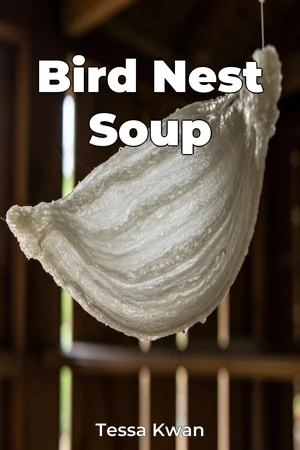
"Bird Nest Soup" explores the intricate world of edible bird nests, a culinary delicacy with deep roots in East and Southeast Asian cuisine. This book delves into the biology of swiftlets, the birds that construct these nests from their solidified saliva, highlighting their unique nest-building abilities and the nutritional composition of their nests, which have made them a prized ingredient for centuries. The cultural significance of bird nest soup is also examined, tracing its historical role in imperial China and its evolution as a symbol of social status and traditional medicine across Asia. The book progresses from the avian biology of swiftlets to the historical and cultural context of the delicacy, then into the modern industry of swiftlet farming. It examines sustainable practices, the economic impacts on local communities, and the sustainability challenges associated with increasing global demand. Did you know that bird nest farming involves constructing specialized birdhouses to attract swiftlets? "Bird Nest Soup" offers a comprehensive view of this unique food source, blending scientific analysis with cultural sensitivity. By combining insights from ornithology, cultural anthropology, and economics, "Bird Nest Soup" provides a nuanced understanding of the complex interplay between biological adaptation, cultural heritage, and economic reality. The book emphasizes the importance of adopting sustainable practices to ensure the long-term survival of swiftlet populations and the well-being of communities reliant on the bird nest farming industry.
Book Details
ISBN
9788235276339
Publisher
Publifye AS
Your Licenses
You don't own any licenses for this book
Purchase a license below to unlock this book and download the EPUB.
Purchase License
Select a tier to unlock this book
Need bulk licensing?
Contact us for enterprise agreements.