
About This Book
Have two children, exhibiting skin of a distinct green hue, ever truly appeared in the fields of medieval England? This book, 'Green Children,' examines one of the most enduring and perplexing historical anomalies: the documented account of two children found near Woolpit, Suffolk, sometime in the 12th century. It delves into the details of this medieval mystery, intertwining elements of science and history to offer a multifaceted exploration of the documented event. This book will carefully analyze the event's historical context, assess potential medical explanations for the children's unusual pigmentation, and investigate the era’s limited understanding of the world to ascertain what can definitively be stated about the incident. The primary topics addressed are the analysis of medieval chronicles, exploration of medical knowledge concerning skin conditions prevalent at the time, and an examination of medieval cultural exchanges that might have contributed to the story's creation or its embellishment. These topics are vital because they collectively provide a comprehensive understanding of the case, preventing reliance on simplistic or sensational explanations. Understanding the details surrounding the case requires knowledge of medieval societal structures, common beliefs, and the nature of record-keeping. Without this, the story risks being misinterpreted through a modern lens. This book advances the argument that the documented 'Green Children' incident, while undeniably unusual, warrants a balanced investigation that considers both historical and scientific possibilities, rather than accepting the tale as purely factual or entirely mythical. This balanced approach is crucial in distinguishing what can credibly be extracted from medieval accounts, which often intertwined fact with folklore. The book is structured into three major sections. First, it introduces the original accounts and their historical setting, providing context for the time period in which the event was recorded. Then, the book explores medical conditions that could potentially cause green or unusual skin coloration, assessing the plausibility of these illnesses given the limited medical knowledge of the 12th century. Finally, it analyzes the impact of cultural exchange during this period and its impact on local narratives. The book culminates by weighing all the evidence and presenting a reasoned perspective on the events, while acknowledging the limitations of drawing firm conclusions from such a distant period. The evidence presented includes translations and detailed analyses of primary source materials, such as the writings of Ralph of Coggeshall and William of Newburgh, two chroniclers who documented the event. It also draws upon modern medical studies of various skin conditions, examining whether such conditions could have manifested in a way that medieval observers might have misinterpreted as green skin. The book also addresses the historical context of the event, utilizing research on trade routes, migration patterns, and cultural interactions in 12th-century England. Interdisciplinary connections are drawn to fields such as medical history, cultural anthropology, and folklore studies. The insights of medical history help us understand the state of medical knowledge during the period in question. Cultural anthropology provides insights into how societies perceive and interpret anomalous events. Folklore studies assist in understanding the transmission and potential alteration of stories across generations. The book takes a meticulous, evidence-based approach, avoiding sensationalism and concentrating on verifiable historical and scientific data. The tone is academic yet accessible, aiming to inform a broad readership without sacrificing analytical rigor. The target audience includes historians, students of medieval studies, readers interested in historical mysteries, and anyone intrigued by the intersection of science and folklore. This book is a sound addition to the literature of both science and history. The book's scope is intentionally limited to the event surrounding the 'Green Children' and its immediate historical and scientific context, without speculating on broader paranormal explanations. This focus allows for a deep dive into the available evidence and its interpretation. Finally, the book addresses the ongoing debate surrounding the 'Green Children,' acknowledging differing interpretations and offering a balanced assessment of the available evidence.
Have two children, exhibiting skin of a distinct green hue, ever truly appeared in the fields of medieval England? This book, 'Green Children,' examines one of the most enduring and perplexing historical anomalies: the documented account of two children found near Woolpit, Suffolk, sometime in the 12th century. It delves into the details of this medieval mystery, intertwining elements of science and history to offer a multifaceted exploration of the documented event. This book will carefully analyze the event's historical context, assess potential medical explanations for the children's unusual pigmentation, and investigate the era’s limited understanding of the world to ascertain what can definitively be stated about the incident. The primary topics addressed are the analysis of medieval chronicles, exploration of medical knowledge concerning skin conditions prevalent at the time, and an examination of medieval cultural exchanges that might have contributed to the story's creation or its embellishment. These topics are vital because they collectively provide a comprehensive understanding of the case, preventing reliance on simplistic or sensational explanations. Understanding the details surrounding the case requires knowledge of medieval societal structures, common beliefs, and the nature of record-keeping. Without this, the story risks being misinterpreted through a modern lens. This book advances the argument that the documented 'Green Children' incident, while undeniably unusual, warrants a balanced investigation that considers both historical and scientific possibilities, rather than accepting the tale as purely factual or entirely mythical. This balanced approach is crucial in distinguishing what can credibly be extracted from medieval accounts, which often intertwined fact with folklore. The book is structured into three major sections. First, it introduces the original accounts and their historical setting, providing context for the time period in which the event was recorded. Then, the book explores medical conditions that could potentially cause green or unusual skin coloration, assessing the plausibility of these illnesses given the limited medical knowledge of the 12th century. Finally, it analyzes the impact of cultural exchange during this period and its impact on local narratives. The book culminates by weighing all the evidence and presenting a reasoned perspective on the events, while acknowledging the limitations of drawing firm conclusions from such a distant period. The evidence presented includes translations and detailed analyses of primary source materials, such as the writings of Ralph of Coggeshall and William of Newburgh, two chroniclers who documented the event. It also draws upon modern medical studies of various skin conditions, examining whether such conditions could have manifested in a way that medieval observers might have misinterpreted as green skin. The book also addresses the historical context of the event, utilizing research on trade routes, migration patterns, and cultural interactions in 12th-century England. Interdisciplinary connections are drawn to fields such as medical history, cultural anthropology, and folklore studies. The insights of medical history help us understand the state of medical knowledge during the period in question. Cultural anthropology provides insights into how societies perceive and interpret anomalous events. Folklore studies assist in understanding the transmission and potential alteration of stories across generations. The book takes a meticulous, evidence-based approach, avoiding sensationalism and concentrating on verifiable historical and scientific data. The tone is academic yet accessible, aiming to inform a broad readership without sacrificing analytical rigor. The target audience includes historians, students of medieval studies, readers interested in historical mysteries, and anyone intrigued by the intersection of science and folklore. This book is a sound addition to the literature of both science and history. The book's scope is intentionally limited to the event surrounding the 'Green Children' and its immediate historical and scientific context, without speculating on broader paranormal explanations. This focus allows for a deep dive into the available evidence and its interpretation. Finally, the book addresses the ongoing debate surrounding the 'Green Children,' acknowledging differing interpretations and offering a balanced assessment of the available evidence.
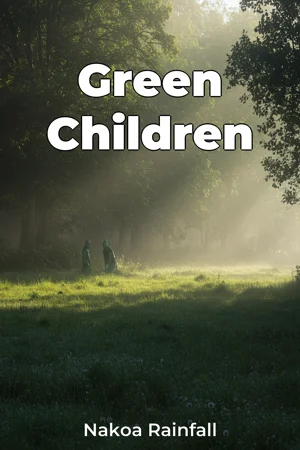
"Green Children" delves into the enduring medieval mystery of two children with green skin found in 12th-century Suffolk. Examining historical anomalies through the lenses of science and history, the book analyzes primary source accounts alongside potential medical explanations for their unusual pigmentation. The book explores the historical context, considering the limited medical knowledge and cultural exchanges of the era to understand what can be credibly stated about this strange occurrence. Did a rare skin condition explain their color or was folklore at play? The book adopts a balanced approach, evaluating both historical and scientific possibilities rather than accepting the tale as purely factual or mythical. Investigating medieval chronicles, medical history, and cultural exchange, the work seeks to provide a comprehensive understanding of the case. It's crucial to understand medieval societal structures and beliefs to avoid misinterpreting the story through a modern perspective. Structured in three parts, the book first introduces the original accounts and their historical setting. It then explores potential medical conditions that might cause green skin, assessing their plausibility in the 12th century. Finally, it analyzes the impact of cultural exchange on local narratives, culminating in a reasoned perspective on the events while acknowledging the limitations of drawing firm conclusions.
Book Details
ISBN
9788235276322
Publisher
Publifye AS
Your Licenses
You don't own any licenses for this book
Purchase a license below to unlock this book and download the EPUB.
Purchase License
Select a tier to unlock this book
Need bulk licensing?
Contact us for enterprise agreements.