
About This Book
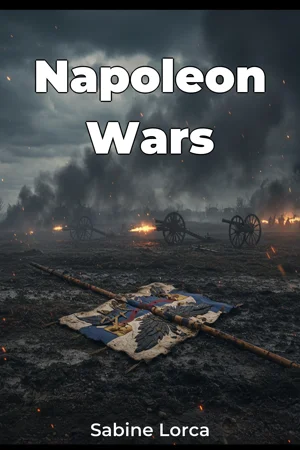
How did one man’s ambition reshape the destiny of Europe and cast a long shadow on the modern world? This book, "Napoleon Wars," delves into the tumultuous period of the Napoleonic Wars, examining their profound impact on European borders, revolutionary military strategies, and enduring effects on contemporary governance. These topics are vital because understanding the Napoleonic era provides critical insight into the formation of modern Europe, the evolution of military doctrine, and the philosophical underpinnings of current political systems. The book provides historical context, beginning with the French Revolution and its subsequent descent into chaos, which created the environment for Napoleon Bonaparte's ascent. Readers should possess a basic understanding of European geography and the political landscape of the late 18th and early 19th centuries. The central argument posits that the Napoleonic Wars served as a crucible, forging many aspects of modern European identity and governance through both deliberate reforms and unintended consequences. "Napoleon Wars" is structured to provide a comprehensive analysis. Initially, it introduces the key players, ideologies, and geopolitical tensions that triggered the conflict. Development of ideas occurs across three major sections. First, a detailed examination of Napoleon's military campaigns analyzes strategies, tactics, and innovations that revolutionized warfare. Second, the book explores the redrawing of European borders and the establishment of new political entities, focusing on the Congress of Vienna and its long-term repercussions. Third, it investigates the spread of Napoleonic legal and administrative codes, and their lasting influence on legal systems and governance across Europe and beyond. The culmination of the argument demonstrates how these elements coalesced to reshape the continent. Finally, "Napoleon Wars" considers practical implications, such as understanding current international relations and the ongoing relevance of military strategy. The evidence presented relies on primary sources, including Napoleon’s correspondence, military records, treaties, and eyewitness accounts. It also incorporates secondary academic research, analyzing the works of prominent historians and political scientists. The book connects to other fields, such as political science through the study of state formation and international relations; law through analysis of the Napoleonic Code; and sociology through the examination of societal changes brought about by war and political upheaval. "Napoleon Wars" offers a unique perspective by analyzing the period through a balanced lens, acknowledging both Napoleon’s achievements and the devastating costs of his ambition. It moves beyond a purely military narrative to examine the broader social, political, and economic transformations. The writing style is academic yet accessible, aiming to engage both scholars and general readers. This book targets history enthusiasts, students of military strategy, and anyone interested in European history and its impact on the modern world. It is valuable because it provides a comprehensive, insightful, and nuanced understanding of a pivotal era. As a work of history, the book adheres to rigorous standards of factual accuracy, balanced interpretation, and thorough citation. The scope is limited to the direct and indirect consequences of the Napoleonic Wars, with less emphasis on events outside Europe. The information can be applied to understanding current geopolitical tensions, the evolution of legal systems, and the ongoing debates about the balance between national sovereignty and international cooperation. The book addresses the ongoing debates among historians regarding Napoleon's legacy, the effectiveness of his military strategies, and the long-term consequences of the Congress of Vienna.
How did one man’s ambition reshape the destiny of Europe and cast a long shadow on the modern world? This book, "Napoleon Wars," delves into the tumultuous period of the Napoleonic Wars, examining their profound impact on European borders, revolutionary military strategies, and enduring effects on contemporary governance. These topics are vital because understanding the Napoleonic era provides critical insight into the formation of modern Europe, the evolution of military doctrine, and the philosophical underpinnings of current political systems. The book provides historical context, beginning with the French Revolution and its subsequent descent into chaos, which created the environment for Napoleon Bonaparte's ascent. Readers should possess a basic understanding of European geography and the political landscape of the late 18th and early 19th centuries. The central argument posits that the Napoleonic Wars served as a crucible, forging many aspects of modern European identity and governance through both deliberate reforms and unintended consequences. "Napoleon Wars" is structured to provide a comprehensive analysis. Initially, it introduces the key players, ideologies, and geopolitical tensions that triggered the conflict. Development of ideas occurs across three major sections. First, a detailed examination of Napoleon's military campaigns analyzes strategies, tactics, and innovations that revolutionized warfare. Second, the book explores the redrawing of European borders and the establishment of new political entities, focusing on the Congress of Vienna and its long-term repercussions. Third, it investigates the spread of Napoleonic legal and administrative codes, and their lasting influence on legal systems and governance across Europe and beyond. The culmination of the argument demonstrates how these elements coalesced to reshape the continent. Finally, "Napoleon Wars" considers practical implications, such as understanding current international relations and the ongoing relevance of military strategy. The evidence presented relies on primary sources, including Napoleon’s correspondence, military records, treaties, and eyewitness accounts. It also incorporates secondary academic research, analyzing the works of prominent historians and political scientists. The book connects to other fields, such as political science through the study of state formation and international relations; law through analysis of the Napoleonic Code; and sociology through the examination of societal changes brought about by war and political upheaval. "Napoleon Wars" offers a unique perspective by analyzing the period through a balanced lens, acknowledging both Napoleon’s achievements and the devastating costs of his ambition. It moves beyond a purely military narrative to examine the broader social, political, and economic transformations. The writing style is academic yet accessible, aiming to engage both scholars and general readers. This book targets history enthusiasts, students of military strategy, and anyone interested in European history and its impact on the modern world. It is valuable because it provides a comprehensive, insightful, and nuanced understanding of a pivotal era. As a work of history, the book adheres to rigorous standards of factual accuracy, balanced interpretation, and thorough citation. The scope is limited to the direct and indirect consequences of the Napoleonic Wars, with less emphasis on events outside Europe. The information can be applied to understanding current geopolitical tensions, the evolution of legal systems, and the ongoing debates about the balance between national sovereignty and international cooperation. The book addresses the ongoing debates among historians regarding Napoleon's legacy, the effectiveness of his military strategies, and the long-term consequences of the Congress of Vienna.
"Napoleon Wars" explores how Napoleon Bonaparte's ambition dramatically reshaped Europe and influenced the modern world. It delves into the impact of the Napoleonic Wars on European borders and the evolution of military strategies. One intriguing fact is how Napoleon's military innovations, such as the use of combined arms tactics, revolutionized warfare. Another is the lasting influence of the Napoleonic Code on legal systems across Europe, demonstrating his wide-reaching impact beyond the battlefield. The book examines this era by starting with the French Revolution and then analyzing Napoleon's military campaigns, the redrawing of European borders at the Congress of Vienna, and the spread of Napoleonic legal and administrative codes. It offers a balanced view, acknowledging both Napoleon's achievements and the devastating costs of his ambition, making it valuable for those interested in military history and European governance. Its accessible style is perfect for both scholars and general readers, moving beyond a simple military narrative to discuss the broader social, political, and economic changes of the time. The book progresses through key phases of the conflict, from the initial geopolitical tensions to the lasting consequences of the Congress of Vienna, providing a comprehensive understanding of this pivotal period in world history.
Book Details
ISBN
9788235276230
Publisher
Publifye AS
Your Licenses
You don't own any licenses for this book
Purchase a license below to unlock this book and download the EPUB.
Purchase License
Select a tier to unlock this book
Need bulk licensing?
Contact us for enterprise agreements.