
About This Book
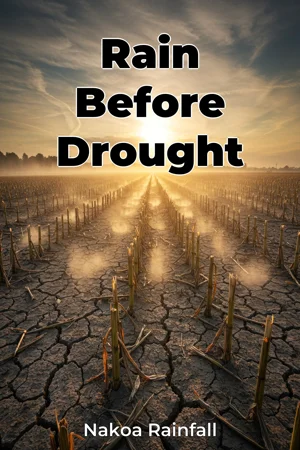
Can the past predict our future? "Rain Before Drought: How Shifting Weather Patterns Collapsed Civilizations, from the Mayans to the Dust Bowl Era" investigates the profound and often catastrophic impact of changing weather patterns on human societies throughout history. This book argues that understanding these historical precedents is crucial for navigating the climate challenges of the 21st century. We will examine how once-flourishing civilizations crumbled not solely due to warfare or political strife, but because of their inability to adapt to prolonged droughts, unexpected floods, and altered growing seasons. The book is structured around three core themes: the inherent vulnerability of agricultural societies to climatic variability, the role of climate change as a catalyst for social and political instability, and the lessons that past societies offer for contemporary climate adaptation strategies. These themes are vital because they challenge the traditional narrative of historical progress, highlighting the often-overlooked influence of environmental factors. Readers do not need specialized climatology knowledge, but a basic understanding of historical timelines will be helpful. Our central argument is that collapses are rarely caused by a single, isolated climate event; rather, they result from a complex interplay between environmental stress, existing social vulnerabilities, and inadequate adaptive responses. We will demonstrate how even seemingly minor shifts in rainfall or temperature can, over time, destabilize food production, exacerbate social inequalities, and ultimately, undermine the foundations of entire civilizations. The book's structure unfolds through a series of case studies, each illustrating a different facet of this central argument. Part one introduces the fundamental concepts of paleoclimatology and environmental history, outlining the methods used to reconstruct past climates and assess their impact on human societies. Part two presents detailed analyses of several historical collapses, including the Mayan civilization, the Anasazi people of the American Southwest, and the Dust Bowl era in the United States. Each case study will explore the specific climate changes that occurred, the social and economic systems that were affected, and the factors that contributed to the civilization's decline or transformation. Part three will examine the implications of these historical examples for contemporary climate change adaptation, focusing on strategies for building more resilient agricultural systems, managing water resources more effectively, and mitigating the social and political risks associated with climate-related displacement and conflict. The book draws upon a diverse range of evidence, including paleoclimatic data (such as tree rings, ice cores, and sediment analyses), archaeological findings, historical documents, and contemporary social science research. We will feature unique data from recent interdisciplinary projects that integrate climate modeling with historical analysis, providing new insights into the complex interactions between environment and society. "Rain Before Drought" connects to several other fields, including archaeology, sociology, and political science. By examining the societal impacts of climate change through an interdisciplinary lens, the book enhances our understanding of the complex challenges facing humanity in the 21st century. This book offers a fresh perspective by presenting a comparative analysis of multiple historical collapses, identifying common patterns and critical differences in how societies have responded to climate change. It moves beyond simplistic narratives of environmental determinism to explore the complex interplay of environmental, social, and political factors. The writing style aims to be both academically rigorous and accessible to a broad audience, blending detailed historical analysis with engaging storytelling. The target audience includes students, policymakers, and anyone interested in understanding the historical roots of our current environmental crisis. This book is valuable because it provides a framework for understanding the past, assessing the present, and planning for the future in a world increasingly shaped by climate change. As a work of environmental history, "Rain Before Drought" adheres to the genre's conventions of rigorous source citation, nuanced analysis, and a commitment to interdisciplinary perspectives. The scope of the book is global, though certain regions and time periods are emphasized due to the availability of data and the significance of their historical experiences. The book does not attempt to offer a comprehensive history of every civilization affected by climate change, but rather focuses on a select number of case studies that illuminate the key themes outlined above. The insights presented in "Rain Before Drought" can be applied practically to inform climate adaptation policies, improve water resource management strategies, and promote more sustainable agricultural practices. The book also touches on ongoing debates within the field of climate history, such as the relative importance of human agency versus environmental factors in shaping historical outcomes.
Can the past predict our future? "Rain Before Drought: How Shifting Weather Patterns Collapsed Civilizations, from the Mayans to the Dust Bowl Era" investigates the profound and often catastrophic impact of changing weather patterns on human societies throughout history. This book argues that understanding these historical precedents is crucial for navigating the climate challenges of the 21st century. We will examine how once-flourishing civilizations crumbled not solely due to warfare or political strife, but because of their inability to adapt to prolonged droughts, unexpected floods, and altered growing seasons. The book is structured around three core themes: the inherent vulnerability of agricultural societies to climatic variability, the role of climate change as a catalyst for social and political instability, and the lessons that past societies offer for contemporary climate adaptation strategies. These themes are vital because they challenge the traditional narrative of historical progress, highlighting the often-overlooked influence of environmental factors. Readers do not need specialized climatology knowledge, but a basic understanding of historical timelines will be helpful. Our central argument is that collapses are rarely caused by a single, isolated climate event; rather, they result from a complex interplay between environmental stress, existing social vulnerabilities, and inadequate adaptive responses. We will demonstrate how even seemingly minor shifts in rainfall or temperature can, over time, destabilize food production, exacerbate social inequalities, and ultimately, undermine the foundations of entire civilizations. The book's structure unfolds through a series of case studies, each illustrating a different facet of this central argument. Part one introduces the fundamental concepts of paleoclimatology and environmental history, outlining the methods used to reconstruct past climates and assess their impact on human societies. Part two presents detailed analyses of several historical collapses, including the Mayan civilization, the Anasazi people of the American Southwest, and the Dust Bowl era in the United States. Each case study will explore the specific climate changes that occurred, the social and economic systems that were affected, and the factors that contributed to the civilization's decline or transformation. Part three will examine the implications of these historical examples for contemporary climate change adaptation, focusing on strategies for building more resilient agricultural systems, managing water resources more effectively, and mitigating the social and political risks associated with climate-related displacement and conflict. The book draws upon a diverse range of evidence, including paleoclimatic data (such as tree rings, ice cores, and sediment analyses), archaeological findings, historical documents, and contemporary social science research. We will feature unique data from recent interdisciplinary projects that integrate climate modeling with historical analysis, providing new insights into the complex interactions between environment and society. "Rain Before Drought" connects to several other fields, including archaeology, sociology, and political science. By examining the societal impacts of climate change through an interdisciplinary lens, the book enhances our understanding of the complex challenges facing humanity in the 21st century. This book offers a fresh perspective by presenting a comparative analysis of multiple historical collapses, identifying common patterns and critical differences in how societies have responded to climate change. It moves beyond simplistic narratives of environmental determinism to explore the complex interplay of environmental, social, and political factors. The writing style aims to be both academically rigorous and accessible to a broad audience, blending detailed historical analysis with engaging storytelling. The target audience includes students, policymakers, and anyone interested in understanding the historical roots of our current environmental crisis. This book is valuable because it provides a framework for understanding the past, assessing the present, and planning for the future in a world increasingly shaped by climate change. As a work of environmental history, "Rain Before Drought" adheres to the genre's conventions of rigorous source citation, nuanced analysis, and a commitment to interdisciplinary perspectives. The scope of the book is global, though certain regions and time periods are emphasized due to the availability of data and the significance of their historical experiences. The book does not attempt to offer a comprehensive history of every civilization affected by climate change, but rather focuses on a select number of case studies that illuminate the key themes outlined above. The insights presented in "Rain Before Drought" can be applied practically to inform climate adaptation policies, improve water resource management strategies, and promote more sustainable agricultural practices. The book also touches on ongoing debates within the field of climate history, such as the relative importance of human agency versus environmental factors in shaping historical outcomes.
"Rain Before Drought" explores the intricate relationship between climate change and the collapse of civilizations throughout history, offering crucial insights for our current environmental challenges. It argues that societies have crumbled not just from wars or political turmoil, but from an inability to adapt to shifting weather patterns like prolonged drought. Examining past societies reveals that even minor changes in rainfall or temperature can destabilize food production and exacerbate social inequalities, ultimately undermining entire civilizations. The book investigates these collapses through case studies, beginning with paleoclimatology and environmental history. It analyzes examples such as the Mayan civilization, the Anasazi, and the Dust Bowl era, illustrating specific climate changes, affected social systems, and contributing factors to decline. The book emphasizes that these collapses result from complex interactions between environmental stress, existing social vulnerabilities, and inadequate adaptation. Understanding these historical precedents is vital for developing resilient agricultural systems and managing water resources effectively in the face of contemporary climate change. Finally, the book examines the implications of these historical examples for contemporary climate adaptation. It advocates for strategies to mitigate social and political risks associated with climate-related displacement and conflict. By presenting a comparative analysis of multiple historical collapses, "Rain Before Drought" identifies common patterns and critical differences in how societies have responded to climate change, offering a framework for understanding the past and planning for a future increasingly shaped by climate change.
Book Details
ISBN
9788235276148
Publisher
Publifye AS
Your Licenses
You don't own any licenses for this book
Purchase a license below to unlock this book and download the EPUB.
Purchase License
Select a tier to unlock this book
Need bulk licensing?
Contact us for enterprise agreements.