
About This Book
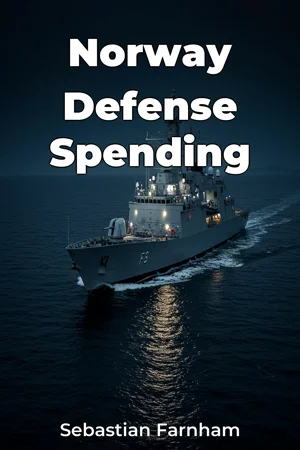
Can a nation truly afford its own defense in the 21st century, and at what cost? "Norway Defense Spending" dives deep into the complex financial realities underpinning Norway’s commitment to military modernization, specifically examining the staggering expenses associated with naval upgrades and comparing them to other significant defense acquisitions like the F-35 fighter program. This book is critical for understanding the economic and strategic pressures shaping Norway's defense policy and its implications for national security and international relations. The book tackles two primary concepts: the escalating costs of sophisticated military technology, exemplified by the Norwegian frigate program exceeding 100 billion kroner, and the opportunity costs this spending represents when compared to alternative defense investments, such as the ongoing acquisition of F-35 fighter jets. These topics are significant because they reveal the trade-offs inherent in modern defense planning, forcing a nation to balance technological superiority with fiscal responsibility. Understanding Norway's defense spending requires historical context. Following World War II and throughout the Cold War, Norway oriented its defense strategy around collective security within NATO, prioritizing naval capabilities to monitor and patrol its extensive coastline and the strategically vital North Atlantic. The end of the Cold War presented new challenges, shifting the focus to expeditionary operations and advanced technology, driving up costs. Furthermore, Norway's unique economic situation, heavily influenced by its petroleum resources, creates both opportunities and pressures regarding defense expenditure. The central argument of "Norway Defense Spending" is that Norway's current trajectory of defense investment, particularly in high-cost platforms like advanced frigates, demands careful scrutiny. The book questions whether these investments provide optimal value for money in terms of national security and explores alternative strategies that might offer a more balanced and sustainable approach to defense spending. This argument is crucial because it challenges conventional wisdom in defense planning and promotes a more informed public debate about resource allocation. The book is structured to first introduce the historical and economic context of Norwegian defense policy. It then delves into the details of the frigate program, analyzing its costs, capabilities, and strategic rationale. Subsequently, it compares this naval spending with the F-35 acquisition, examining the relative merits and trade-offs of air power versus naval power in the Norwegian context. The book culminates in a discussion of potential alternative defense strategies, focusing on cost-effectiveness, technological innovation, and adaptability to evolving security threats. The analysis is supported by a range of evidence, including official government reports, parliamentary debates, budget documents, interviews with defense officials and experts, and comparative data on defense spending in other NATO countries. Additionally, the book draws on open-source intelligence and academic research to provide a comprehensive and objective assessment of Norway's defense spending. Unique data sources such as detailed budget breakdowns and procurement contracts are used to dissect the true costs of the analyzed defense programs. This book also connects to other fields: political science, particularly international relations and security studies; economics, exploring defense economics and resource allocation; and technology studies, analyzing the impact of technological innovation on military capabilities and costs. These connections enrich the analysis by providing a broader understanding of the political, economic, and technological factors driving defense spending decisions. The book offers a fresh perspective by applying a critical cost-benefit analysis to Norwegian defense spending, challenging accepted norms and prompting readers to question the assumptions underlying defense policy. This approach aims to foster a more nuanced and informed understanding of the complex challenges facing Norway's defense establishment. Written in an accessible yet rigorous style, "Norway Defense Spending" is intended for a broad audience, including policymakers, defense analysts, academics, students, and anyone interested in national security, international relations, and public finance. It is valuable because it provides a clear and objective analysis of a complex issue, offering insights into the challenges and trade-offs involved in modern defense planning. As a work of political, military, and military history, the book adheres to conventions of rigorous research, objective analysis, and clear presentation of evidence. It avoids partisan advocacy and instead focuses on providing a balanced and informed assessment of the issues. The book's scope is limited to Norway's defense spending decisions, particularly concerning naval and air force modernization programs, from the early 2000s to the present day. It does not attempt to provide a comprehensive overview of all aspects of Norwegian defense policy but rather focuses on specific cases to illustrate broader trends and challenges. The information presented in "Norway Defense Spending" has practical applications for policymakers seeking to improve defense planning and resource allocation, for defense analysts seeking to understand the drivers of defense spending, and for citizens seeking to engage in informed debates about national security. The book addresses several ongoing debates in the field, including the optimal balance between high-tech platforms and more affordable capabilities, the role of NATO in shaping national defense strategies, and the economic sustainability of current defense spending trajectories. The book offers its considerations in the context of debates about these critical issues shaping the future of defense policy.
Can a nation truly afford its own defense in the 21st century, and at what cost? "Norway Defense Spending" dives deep into the complex financial realities underpinning Norway’s commitment to military modernization, specifically examining the staggering expenses associated with naval upgrades and comparing them to other significant defense acquisitions like the F-35 fighter program. This book is critical for understanding the economic and strategic pressures shaping Norway's defense policy and its implications for national security and international relations. The book tackles two primary concepts: the escalating costs of sophisticated military technology, exemplified by the Norwegian frigate program exceeding 100 billion kroner, and the opportunity costs this spending represents when compared to alternative defense investments, such as the ongoing acquisition of F-35 fighter jets. These topics are significant because they reveal the trade-offs inherent in modern defense planning, forcing a nation to balance technological superiority with fiscal responsibility. Understanding Norway's defense spending requires historical context. Following World War II and throughout the Cold War, Norway oriented its defense strategy around collective security within NATO, prioritizing naval capabilities to monitor and patrol its extensive coastline and the strategically vital North Atlantic. The end of the Cold War presented new challenges, shifting the focus to expeditionary operations and advanced technology, driving up costs. Furthermore, Norway's unique economic situation, heavily influenced by its petroleum resources, creates both opportunities and pressures regarding defense expenditure. The central argument of "Norway Defense Spending" is that Norway's current trajectory of defense investment, particularly in high-cost platforms like advanced frigates, demands careful scrutiny. The book questions whether these investments provide optimal value for money in terms of national security and explores alternative strategies that might offer a more balanced and sustainable approach to defense spending. This argument is crucial because it challenges conventional wisdom in defense planning and promotes a more informed public debate about resource allocation. The book is structured to first introduce the historical and economic context of Norwegian defense policy. It then delves into the details of the frigate program, analyzing its costs, capabilities, and strategic rationale. Subsequently, it compares this naval spending with the F-35 acquisition, examining the relative merits and trade-offs of air power versus naval power in the Norwegian context. The book culminates in a discussion of potential alternative defense strategies, focusing on cost-effectiveness, technological innovation, and adaptability to evolving security threats. The analysis is supported by a range of evidence, including official government reports, parliamentary debates, budget documents, interviews with defense officials and experts, and comparative data on defense spending in other NATO countries. Additionally, the book draws on open-source intelligence and academic research to provide a comprehensive and objective assessment of Norway's defense spending. Unique data sources such as detailed budget breakdowns and procurement contracts are used to dissect the true costs of the analyzed defense programs. This book also connects to other fields: political science, particularly international relations and security studies; economics, exploring defense economics and resource allocation; and technology studies, analyzing the impact of technological innovation on military capabilities and costs. These connections enrich the analysis by providing a broader understanding of the political, economic, and technological factors driving defense spending decisions. The book offers a fresh perspective by applying a critical cost-benefit analysis to Norwegian defense spending, challenging accepted norms and prompting readers to question the assumptions underlying defense policy. This approach aims to foster a more nuanced and informed understanding of the complex challenges facing Norway's defense establishment. Written in an accessible yet rigorous style, "Norway Defense Spending" is intended for a broad audience, including policymakers, defense analysts, academics, students, and anyone interested in national security, international relations, and public finance. It is valuable because it provides a clear and objective analysis of a complex issue, offering insights into the challenges and trade-offs involved in modern defense planning. As a work of political, military, and military history, the book adheres to conventions of rigorous research, objective analysis, and clear presentation of evidence. It avoids partisan advocacy and instead focuses on providing a balanced and informed assessment of the issues. The book's scope is limited to Norway's defense spending decisions, particularly concerning naval and air force modernization programs, from the early 2000s to the present day. It does not attempt to provide a comprehensive overview of all aspects of Norwegian defense policy but rather focuses on specific cases to illustrate broader trends and challenges. The information presented in "Norway Defense Spending" has practical applications for policymakers seeking to improve defense planning and resource allocation, for defense analysts seeking to understand the drivers of defense spending, and for citizens seeking to engage in informed debates about national security. The book addresses several ongoing debates in the field, including the optimal balance between high-tech platforms and more affordable capabilities, the role of NATO in shaping national defense strategies, and the economic sustainability of current defense spending trajectories. The book offers its considerations in the context of debates about these critical issues shaping the future of defense policy.
"Norway Defense Spending" examines the complexities of Norway's commitment to military modernization in the 21st century, specifically focusing on the economic realities behind naval upgrades and the F-35 fighter program. The book delves into the escalating costs of advanced military technology, highlighting how the Norwegian frigate program exceeded 100 billion kroner. It also explores the trade-offs between technological superiority and fiscal responsibility in defense planning, a crucial consideration for any nation balancing its national security needs with resource allocation. The book progresses by first establishing the historical and economic context of Norwegian defense policy, including Norway's long-standing relationship with NATO. It then analyzes the frigate program's costs and strategic rationale before comparing naval spending to the F-35 acquisition. This approach allows for a nuanced understanding of the choices and challenges inherent in modern defense planning. "Norway Defense Spending" ultimately questions whether current investments provide optimal value for money and proposes alternative defense strategies, offering valuable insights for policymakers, defense analysts, and anyone interested in national security and international relations.
Book Details
ISBN
9788235275998
Publisher
Publifye AS
Your Licenses
You don't own any licenses for this book
Purchase a license below to unlock this book and download the EPUB.
Purchase License
Select a tier to unlock this book
Need bulk licensing?
Contact us for enterprise agreements.