
About This Book
What happens when two vastly different cultures collide over land, sovereignty, and ways of life? "Maori Wars" delves into this question by meticulously examining the series of conflicts between the Maori people, the indigenous inhabitants of New Zealand, and British settlers during the 19th century. These wars, often overlooked in broader historical narratives, were pivotal in shaping modern New Zealand and continue to resonate in contemporary society. Understanding their causes, outcomes, and long-term effects is crucial for a complete picture of New Zealand history and its ongoing journey toward reconciliation. This book explores three key areas: the underlying causes of the conflicts, the specific events and strategies employed during the wars, and the lasting consequences for both Maori and Pakeha (New Zealanders of European descent). The causes encompass complex issues, including land ownership disputes rooted in differing cultural perspectives, breaches of the Treaty of Waitangi, and the relentless push for colonial expansion. The events themselves reveal a story of fierce resistance by Maori, ingenious defensive strategies, and ultimately, the overwhelming military and economic power of the British Empire. The long-term effects are seen in the social, political, and cultural landscape of New Zealand, including ongoing debates about land rights, cultural preservation, and national identity. "Maori Wars" argues that these conflicts were not simply a series of battles, but a complex struggle for cultural survival and self-determination by the Maori people in the face of relentless colonization. This argument is significant because it challenges simplistic narratives of inevitable colonial dominance and highlights the agency and resilience of the Maori. It also emphasizes the importance of understanding historical injustices in order to address contemporary issues of inequality and reconciliation. The book unfolds in a chronological and thematic structure. It begins by establishing the historical context, introducing Maori society and culture prior to European arrival, and detailing the initial interactions and the signing of the Treaty of Waitangi in 1840. It then examines the escalating tensions and the outbreak of armed conflict, analyzing key battles and campaigns. The narrative then focuses on the aftermath of the wars, assessing the impact on Maori land ownership, political representation, and cultural identity. Finally, the conclusion explores the legacy of the wars in contemporary New Zealand, including ongoing efforts at reconciliation and the revitalization of Maori language and culture. The analysis will be supported by a wide range of primary and secondary sources, including official government documents, personal letters and diaries of both Maori and Pakeha, military records, and oral histories passed down through generations. The book also draws upon the extensive body of academic research on Maori history, colonial history, and conflict studies. "Maori Wars" connects to several other fields, including postcolonial studies, indigenous studies, and peace and conflict resolution. By examining the Maori experience, the book contributes to a broader understanding of the impact of colonialism on indigenous populations worldwide. Furthermore, the book adopts an interdisciplinary approach, drawing on historical analysis, anthropological insights, and legal perspectives to provide a comprehensive understanding of the conflicts. The book is written in a clear and accessible style, aimed at a broad audience interested in New Zealand history, colonial history, and indigenous studies. While grounded in academic research, the writing avoids jargon and technical terms, making it accessible to general readers. It is suitable for undergraduate students, history enthusiasts, and anyone seeking a deeper understanding of New Zealand's past. The scope of "Maori Wars" is limited to the major conflicts between the Maori and British settlers during the 19th century. While it acknowledges the broader context of colonization and its ongoing effects, it focuses specifically on the armed conflicts and their immediate aftermath. This focused approach allows for a more in-depth examination of the causes, events, and consequences of the wars. The lessons from "Maori Wars" have real-world applications in understanding contemporary issues of indigenous rights, land rights, and reconciliation processes around the world. By examining the successes and failures of past efforts at reconciliation in New Zealand, the book offers valuable insights for addressing similar challenges in other contexts. The book also acknowledges and addresses ongoing debates surrounding the interpretation of the Treaty of Waitangi and the appropriate redress for historical injustices. The book aims to present a balanced and nuanced account of these complex issues, acknowledging the varying perspectives and interpretations of different groups and individuals.
What happens when two vastly different cultures collide over land, sovereignty, and ways of life? "Maori Wars" delves into this question by meticulously examining the series of conflicts between the Maori people, the indigenous inhabitants of New Zealand, and British settlers during the 19th century. These wars, often overlooked in broader historical narratives, were pivotal in shaping modern New Zealand and continue to resonate in contemporary society. Understanding their causes, outcomes, and long-term effects is crucial for a complete picture of New Zealand history and its ongoing journey toward reconciliation. This book explores three key areas: the underlying causes of the conflicts, the specific events and strategies employed during the wars, and the lasting consequences for both Maori and Pakeha (New Zealanders of European descent). The causes encompass complex issues, including land ownership disputes rooted in differing cultural perspectives, breaches of the Treaty of Waitangi, and the relentless push for colonial expansion. The events themselves reveal a story of fierce resistance by Maori, ingenious defensive strategies, and ultimately, the overwhelming military and economic power of the British Empire. The long-term effects are seen in the social, political, and cultural landscape of New Zealand, including ongoing debates about land rights, cultural preservation, and national identity. "Maori Wars" argues that these conflicts were not simply a series of battles, but a complex struggle for cultural survival and self-determination by the Maori people in the face of relentless colonization. This argument is significant because it challenges simplistic narratives of inevitable colonial dominance and highlights the agency and resilience of the Maori. It also emphasizes the importance of understanding historical injustices in order to address contemporary issues of inequality and reconciliation. The book unfolds in a chronological and thematic structure. It begins by establishing the historical context, introducing Maori society and culture prior to European arrival, and detailing the initial interactions and the signing of the Treaty of Waitangi in 1840. It then examines the escalating tensions and the outbreak of armed conflict, analyzing key battles and campaigns. The narrative then focuses on the aftermath of the wars, assessing the impact on Maori land ownership, political representation, and cultural identity. Finally, the conclusion explores the legacy of the wars in contemporary New Zealand, including ongoing efforts at reconciliation and the revitalization of Maori language and culture. The analysis will be supported by a wide range of primary and secondary sources, including official government documents, personal letters and diaries of both Maori and Pakeha, military records, and oral histories passed down through generations. The book also draws upon the extensive body of academic research on Maori history, colonial history, and conflict studies. "Maori Wars" connects to several other fields, including postcolonial studies, indigenous studies, and peace and conflict resolution. By examining the Maori experience, the book contributes to a broader understanding of the impact of colonialism on indigenous populations worldwide. Furthermore, the book adopts an interdisciplinary approach, drawing on historical analysis, anthropological insights, and legal perspectives to provide a comprehensive understanding of the conflicts. The book is written in a clear and accessible style, aimed at a broad audience interested in New Zealand history, colonial history, and indigenous studies. While grounded in academic research, the writing avoids jargon and technical terms, making it accessible to general readers. It is suitable for undergraduate students, history enthusiasts, and anyone seeking a deeper understanding of New Zealand's past. The scope of "Maori Wars" is limited to the major conflicts between the Maori and British settlers during the 19th century. While it acknowledges the broader context of colonization and its ongoing effects, it focuses specifically on the armed conflicts and their immediate aftermath. This focused approach allows for a more in-depth examination of the causes, events, and consequences of the wars. The lessons from "Maori Wars" have real-world applications in understanding contemporary issues of indigenous rights, land rights, and reconciliation processes around the world. By examining the successes and failures of past efforts at reconciliation in New Zealand, the book offers valuable insights for addressing similar challenges in other contexts. The book also acknowledges and addresses ongoing debates surrounding the interpretation of the Treaty of Waitangi and the appropriate redress for historical injustices. The book aims to present a balanced and nuanced account of these complex issues, acknowledging the varying perspectives and interpretations of different groups and individuals.
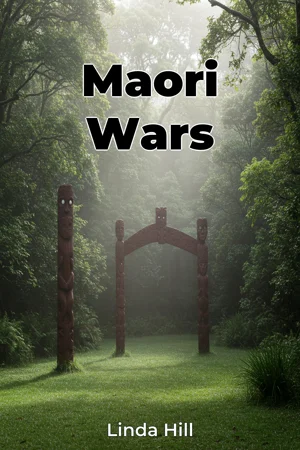
"Maori Wars" explores the 19th-century conflicts between the Maori, New Zealand's indigenous people, and British settlers, a clash profoundly shaping the nation's identity. It examines complex issues like land rights, breaches of the Treaty of Waitangi, and colonial expansion, revealing the Maori's fierce resistance against the British Empire's military might. The book argues these wars were more than battles; they represented the Maori's struggle for cultural survival, challenging narratives of inevitable colonial dominance and highlighting their resilience. The book unfolds chronologically, starting with pre-colonial Maori society and the Treaty of Waitangi. It then analyzes escalating tensions, key battles, and the wars' aftermath, assessing the impact on Maori land ownership, political representation, and cultural identity. Through primary and secondary sources, including personal letters and oral histories, "Maori Wars" provides a balanced account of the cultural conflict, emphasizing the importance of understanding historical injustices to address contemporary issues of inequality and reconciliation in New Zealand.
Book Details
ISBN
9788235275288
Publisher
Publifye AS
Your Licenses
You don't own any licenses for this book
Purchase a license below to unlock this book and download the EPUB.
Purchase License
Select a tier to unlock this book
Need bulk licensing?
Contact us for enterprise agreements.