
About This Book
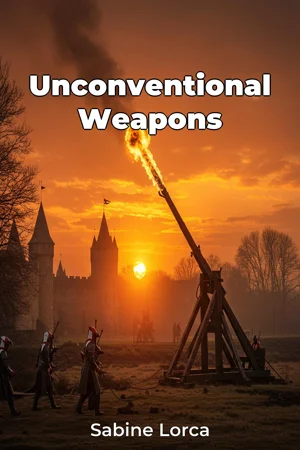
From the flaming arrows of antiquity to the directed-energy weapons of tomorrow, the quest to gain a decisive advantage in warfare has consistently pushed beyond conventional arms. But what defines an "unconventional weapon," and how have these devices shaped the course of history and the ethics of combat? This book, *Unconventional Weapons*, delves into the complex history, technology, and implications of weaponry that falls outside the bounds of standard military practice, examining how these tools reflect not only technological innovation but also evolving moral considerations. This study explores three primary threads: the historical development of unconventional weapons, the technological principles behind their operation, and their impact on military strategy and international relations. Understanding these topics is crucial for comprehending modern warfare's multifaceted nature and the ongoing debate surrounding acceptable and unacceptable means of conflict. The reader should possess a general interest in military history and technology, though no specific scientific or historical expertise is required. The central argument posits that the definition of "unconventional" is fluid, dictated by technological advancements, shifting ethical norms, and the strategic landscape of each era. What was once a desperate measure becomes a standard tactic, and today’s cutting-edge technology may become tomorrow's commonplace arsenal. This dynamism constantly challenges the established rules of war and demands continuous reevaluation. The book's structure follows a chronological and thematic approach. It begins by establishing a working definition of unconventional weapons, distinguishing them from conventional arms based on their mechanisms or effects. The initial chapters trace the evolution of these weapons from ancient incendiaries and siege engines to the introduction of chemical and biological agents in the 20th century. These sections detail technological developments, the motivations behind their employment, and the immediate and long-term consequences of their use. The mid-section focuses on the development and deployment of radiological weapons, and moves into the exploration of non-lethal technologies designed for crowd control, area denial, and targeted incapacitation, assessing their effectiveness and ethical implications. The study culminates by considering the future of warfare, examining emerging technologies such as directed energy weapons, cyber warfare tools, and autonomous systems, and analyzing their potential to further blur the lines between conventional and unconventional conflict. Supporting the analysis is a combination of primary source accounts, technical documents, military reports, and historical analyses. The book draws upon archival materials from military museums, government agencies, and scientific institutions. The research blends historical narratives with technical explanations, ensuring that the reader understands both the context and the underlying science of each weapon system. *Unconventional Weapons* connects to several other disciplines, including international law (examining treaties and conventions governing the use of certain weapons), political science (analyzing the role of these weapons in international relations and arms control), and ethics (exploring moral considerations related to their development and deployment). These interdisciplinary connections provide a richer, more nuanced understanding of the subject matter. This book offers a comprehensive and critical examination of a complex and often controversial subject. The writing style balances scholarly rigor with accessibility, aiming to inform and engage a broad readership interested in military history, technology, and international security. The primary audience includes military historians, defense analysts, policymakers, students of international relations, and general readers interested in the history and future of warfare. The book's scope is broad, covering a wide range of technologies and historical periods. However, it concentrates on weapon systems that have generated ethical or strategic debate, intentionally omitting detailed discussions of conventional arms and tactics. The information presented has real-world applications for professionals in defense and security, policymakers involved in arms control, and anyone seeking a deeper understanding of the evolving nature of warfare. The book also addresses the ongoing debates surrounding the use of certain unconventional weapons, such as the development and deployment of autonomous weapons.
From the flaming arrows of antiquity to the directed-energy weapons of tomorrow, the quest to gain a decisive advantage in warfare has consistently pushed beyond conventional arms. But what defines an "unconventional weapon," and how have these devices shaped the course of history and the ethics of combat? This book, *Unconventional Weapons*, delves into the complex history, technology, and implications of weaponry that falls outside the bounds of standard military practice, examining how these tools reflect not only technological innovation but also evolving moral considerations. This study explores three primary threads: the historical development of unconventional weapons, the technological principles behind their operation, and their impact on military strategy and international relations. Understanding these topics is crucial for comprehending modern warfare's multifaceted nature and the ongoing debate surrounding acceptable and unacceptable means of conflict. The reader should possess a general interest in military history and technology, though no specific scientific or historical expertise is required. The central argument posits that the definition of "unconventional" is fluid, dictated by technological advancements, shifting ethical norms, and the strategic landscape of each era. What was once a desperate measure becomes a standard tactic, and today’s cutting-edge technology may become tomorrow's commonplace arsenal. This dynamism constantly challenges the established rules of war and demands continuous reevaluation. The book's structure follows a chronological and thematic approach. It begins by establishing a working definition of unconventional weapons, distinguishing them from conventional arms based on their mechanisms or effects. The initial chapters trace the evolution of these weapons from ancient incendiaries and siege engines to the introduction of chemical and biological agents in the 20th century. These sections detail technological developments, the motivations behind their employment, and the immediate and long-term consequences of their use. The mid-section focuses on the development and deployment of radiological weapons, and moves into the exploration of non-lethal technologies designed for crowd control, area denial, and targeted incapacitation, assessing their effectiveness and ethical implications. The study culminates by considering the future of warfare, examining emerging technologies such as directed energy weapons, cyber warfare tools, and autonomous systems, and analyzing their potential to further blur the lines between conventional and unconventional conflict. Supporting the analysis is a combination of primary source accounts, technical documents, military reports, and historical analyses. The book draws upon archival materials from military museums, government agencies, and scientific institutions. The research blends historical narratives with technical explanations, ensuring that the reader understands both the context and the underlying science of each weapon system. *Unconventional Weapons* connects to several other disciplines, including international law (examining treaties and conventions governing the use of certain weapons), political science (analyzing the role of these weapons in international relations and arms control), and ethics (exploring moral considerations related to their development and deployment). These interdisciplinary connections provide a richer, more nuanced understanding of the subject matter. This book offers a comprehensive and critical examination of a complex and often controversial subject. The writing style balances scholarly rigor with accessibility, aiming to inform and engage a broad readership interested in military history, technology, and international security. The primary audience includes military historians, defense analysts, policymakers, students of international relations, and general readers interested in the history and future of warfare. The book's scope is broad, covering a wide range of technologies and historical periods. However, it concentrates on weapon systems that have generated ethical or strategic debate, intentionally omitting detailed discussions of conventional arms and tactics. The information presented has real-world applications for professionals in defense and security, policymakers involved in arms control, and anyone seeking a deeper understanding of the evolving nature of warfare. The book also addresses the ongoing debates surrounding the use of certain unconventional weapons, such as the development and deployment of autonomous weapons.
"Unconventional Weapons" explores the history, technology, and implications of weaponry that falls outside standard military practice, examining how these tools reflect technological innovation and evolving moral considerations. From ancient incendiaries to modern cyber warfare, the book traces the development and deployment of weapons designed to provide a decisive advantage. What was once unconventional can become commonplace, challenging established rules of war and demanding continuous reevaluation. For example, non-lethal technologies, initially developed for crowd control, now play a significant role in military strategy, raising ethical questions about their effectiveness and potential for misuse. The book follows a chronological and thematic approach, from ancient incendiaries and siege engines to the introduction of chemical and biological agents and into the exploration of non-lethal technologies. It blends historical narratives with technical explanations, ensuring readers grasp both the context and science behind each weapon system. The study culminates by considering the future of warfare and examining emerging technologies such as directed-energy weapons and autonomous systems, analyzing their potential to further blur the lines between conventional and unconventional conflict.
Book Details
ISBN
9788235275073
Publisher
Publifye AS
Your Licenses
You don't own any licenses for this book
Purchase a license below to unlock this book and download the EPUB.
Purchase License
Select a tier to unlock this book
Need bulk licensing?
Contact us for enterprise agreements.