
About This Book
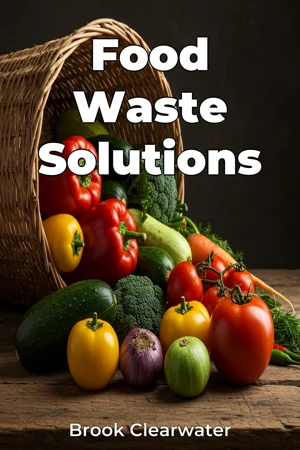
Did you know that approximately one-third of all food produced globally is wasted? This book, "Food Waste Solutions," tackles this pressing environmental and ethical challenge head-on, offering a comprehensive exploration of strategies to reduce food waste and repurpose edible scraps. It’s a call to action, offering practical solutions for individuals, communities, and businesses seeking to minimize their environmental footprint, conserve resources, and contribute to a more sustainable food system. The book is divided into three key sections: understanding the problem, exploring solutions, and implementing change. First, we will delve into the staggering statistics and detrimental consequences of food waste. We will explore its environmental impact, including greenhouse gas emissions from landfills, wasted water and land resources used in food production, and the economic costs associated with discarded food. This section also addresses the social implications of food waste, highlighting the paradox of food insecurity existing alongside massive food waste. Readers will gain a thorough understanding of the multifaceted nature of the problem, setting the stage for the solutions presented in subsequent chapters. Building upon this foundation, the second section of "Food Waste Solutions" examines a range of practical strategies for reducing food waste at every stage of the food supply chain. We will cover effective methods for meal planning, proper food storage techniques, and creative ways to repurpose edible scraps into delicious meals. Topics include composting techniques for both home and community settings, food preservation methods such as canning, fermenting, and dehydrating, and reducing waste in food processing and distribution. This section will also examine the role of food rescue organizations and their impact on redistributing surplus food to those in need. Finally, the book culminates in a section dedicated to implementing lasting change. It examines food waste policies and initiatives that drive reduction on a larger scale. This includes discussions on date labeling regulations, standardized donation practices, and incentives for businesses to reduce waste. We will also explore the role of technology in tracking and managing food waste, as well as educational campaigns aimed at raising awareness and changing consumer behavior. "Food Waste Solutions" draws upon data from governmental organizations, academic studies, and reports from non-profit organizations working in the field of food waste reduction. It also incorporates case studies of successful food waste reduction initiatives from around the world, offering concrete examples of how change can be achieved. The book connects to various fields, including environmental science, economics, public health, and culinary arts, providing an interdisciplinary perspective on the issue. This book distinguishes itself by presenting a holistic approach to food waste reduction, addressing both the technical and behavioral aspects of the problem. It employs a practical tone, focusing on providing actionable strategies that readers can implement immediately. The target audience for "Food Waste Solutions" includes environmentally conscious individuals, home cooks, students, food industry professionals, policymakers, and anyone interested in creating a more sustainable food system. The book provides a clear roadmap for reducing food waste and creating a more equitable and environmentally responsible food future. While the book covers a wide range of solutions, it acknowledges the limitations of individual action and emphasizes the need for systemic change to address the root causes of food waste. We will address the ongoing debate surrounding the role of individual responsibility versus corporate accountability in tackling this global challenge. The content is designed to be readily applicable in diverse settings, empowering readers to effect meaningful change in their homes, workplaces, and communities.
Did you know that approximately one-third of all food produced globally is wasted? This book, "Food Waste Solutions," tackles this pressing environmental and ethical challenge head-on, offering a comprehensive exploration of strategies to reduce food waste and repurpose edible scraps. It’s a call to action, offering practical solutions for individuals, communities, and businesses seeking to minimize their environmental footprint, conserve resources, and contribute to a more sustainable food system. The book is divided into three key sections: understanding the problem, exploring solutions, and implementing change. First, we will delve into the staggering statistics and detrimental consequences of food waste. We will explore its environmental impact, including greenhouse gas emissions from landfills, wasted water and land resources used in food production, and the economic costs associated with discarded food. This section also addresses the social implications of food waste, highlighting the paradox of food insecurity existing alongside massive food waste. Readers will gain a thorough understanding of the multifaceted nature of the problem, setting the stage for the solutions presented in subsequent chapters. Building upon this foundation, the second section of "Food Waste Solutions" examines a range of practical strategies for reducing food waste at every stage of the food supply chain. We will cover effective methods for meal planning, proper food storage techniques, and creative ways to repurpose edible scraps into delicious meals. Topics include composting techniques for both home and community settings, food preservation methods such as canning, fermenting, and dehydrating, and reducing waste in food processing and distribution. This section will also examine the role of food rescue organizations and their impact on redistributing surplus food to those in need. Finally, the book culminates in a section dedicated to implementing lasting change. It examines food waste policies and initiatives that drive reduction on a larger scale. This includes discussions on date labeling regulations, standardized donation practices, and incentives for businesses to reduce waste. We will also explore the role of technology in tracking and managing food waste, as well as educational campaigns aimed at raising awareness and changing consumer behavior. "Food Waste Solutions" draws upon data from governmental organizations, academic studies, and reports from non-profit organizations working in the field of food waste reduction. It also incorporates case studies of successful food waste reduction initiatives from around the world, offering concrete examples of how change can be achieved. The book connects to various fields, including environmental science, economics, public health, and culinary arts, providing an interdisciplinary perspective on the issue. This book distinguishes itself by presenting a holistic approach to food waste reduction, addressing both the technical and behavioral aspects of the problem. It employs a practical tone, focusing on providing actionable strategies that readers can implement immediately. The target audience for "Food Waste Solutions" includes environmentally conscious individuals, home cooks, students, food industry professionals, policymakers, and anyone interested in creating a more sustainable food system. The book provides a clear roadmap for reducing food waste and creating a more equitable and environmentally responsible food future. While the book covers a wide range of solutions, it acknowledges the limitations of individual action and emphasizes the need for systemic change to address the root causes of food waste. We will address the ongoing debate surrounding the role of individual responsibility versus corporate accountability in tackling this global challenge. The content is designed to be readily applicable in diverse settings, empowering readers to effect meaningful change in their homes, workplaces, and communities.
"Food Waste Solutions" addresses the critical issue of food waste, a global problem where approximately one-third of all food produced is lost or wasted. This book offers insights into the environmental impact, revealing how food waste contributes to greenhouse gas emissions and wastes valuable land and water resources. Furthermore, it explores practical and creative strategies to minimize waste at every level, from individual meal planning and food storage to repurposing edible scraps. The book progresses by first examining the scope and consequences of food waste, then highlights potential solutions like composting, food preservation, and food rescue programs. Finally, it delves into implementing lasting change through food waste policies, technological advancements, and educational initiatives. By offering a comprehensive approach, this guide empowers readers to contribute to a more sustainable food system and reduce their environmental footprint.
Book Details
ISBN
9788235274922
Publisher
Publifye AS
Your Licenses
You don't own any licenses for this book
Purchase a license below to unlock this book and download the EPUB.
Purchase License
Select a tier to unlock this book
Need bulk licensing?
Contact us for enterprise agreements.