
About This Book
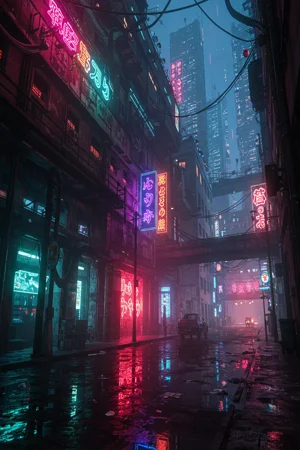
What is it about the fusion of futuristic technology, dystopian settings, and cyberpunk aesthetics that continues to captivate our imaginations in science fiction comics? "Sci-Fi Designs" delves into this very question, exploring how these elements are not merely decorative but are integral to the storytelling and world-building within the genre. This book examines the crucial role of design in shaping our perception of the future as presented in comics. It argues that the visual language of science fiction comics reflects and influences our collective hopes and fears about technology, society, and the unknown. The book is structured around three main areas: the evolution of futuristic aesthetics in comics, the influence of technology on character and narrative design, and the specific impact of cyberpunk elements on creating believable and engaging worlds. These topics are important because they highlight the often-overlooked artistry and intentionality behind the visuals of science fiction comics and their impact on the broader cultural imagination. Understanding the historical context of science fiction illustration and design is crucial. The book traces the evolution of these aesthetics back to early science fiction literature, pulp magazines, and the visual styles of art deco and futurism, providing a foundation for understanding their integration into comic book art. No prior knowledge is required, as the book offers clear explanations of key concepts and historical trends. "Sci-Fi Designs" presents the thesis that the design elements in science fiction comics are not just superficial stylistic choices but rather a vital form of world-building that directly influences the narrative and the reader's experience. By examining the specific choices artists and writers make, the book aims to demonstrate how these design elements function as a powerful form of visual storytelling. The book begins by introducing the core concepts of futuristic design and aesthetic theory, then moves into an exploration of how technology shapes character design, examining the ways in which cybernetics, robotics, and advanced weaponry are depicted. A significant portion of the book is dedicated to the visual language of cyberpunk, analyzing its impact on creating compelling settings and narratives that explore themes of social inequality, corporate power, and technological alienation. The book culminates in an analysis of how these design elements contribute to the overall message and cultural impact of science fiction comics, with real world examples of concept art. The analysis relies heavily on visual examples from a wide range of science fiction comics, from classic works to more contemporary titles. It also incorporates design analysis and academic studies of visual culture and science fiction. The book connects to the fields of art history, design studies, and media studies, thereby enriching the understanding of design's role in shaping cultural perceptions of the future. "Sci-Fi Designs" offers a unique perspective by focusing specifically on the design elements within science fiction comics, going beyond simple plot analysis to examine the visual language and its cultural impact. It provides a fresh look at how artists use design to communicate complex ideas about technology, society, and identity. The book aims for a tone that is both informative and accessible, suitable for a general audience with an interest in comics, design, or science fiction. It avoids highly academic jargon and presents information in a clear and engaging manner. The target audience includes comic book enthusiasts, design students, art historians, and anyone interested in the intersection of visual culture and science fiction. It will appeal to readers who want to gain a deeper understanding of the artistry and cultural significance of science fiction comics. As a book about design, the focus will be on high quality reproductions of important artwork and concept designs that illustrate the points being made. While the book covers a broad range of science fiction comics, it does not attempt to be an exhaustive encyclopedia. The focus is on providing in-depth case studies and analyses of key examples that illustrate the main concepts. The principles of design that are analyzed can be applied in practice by artists and designers working in various fields, including comic book creation, video game design, and film production. By understanding how design elements contribute to world-building and storytelling, readers can improve their own creative work. While the book will not overtly focus on ongoing debates, it will show how different approaches in design illustrate different philosophical viewpoints in science fiction, covering many interpretations of transhumanism, technological advancement and dystopia.
What is it about the fusion of futuristic technology, dystopian settings, and cyberpunk aesthetics that continues to captivate our imaginations in science fiction comics? "Sci-Fi Designs" delves into this very question, exploring how these elements are not merely decorative but are integral to the storytelling and world-building within the genre. This book examines the crucial role of design in shaping our perception of the future as presented in comics. It argues that the visual language of science fiction comics reflects and influences our collective hopes and fears about technology, society, and the unknown. The book is structured around three main areas: the evolution of futuristic aesthetics in comics, the influence of technology on character and narrative design, and the specific impact of cyberpunk elements on creating believable and engaging worlds. These topics are important because they highlight the often-overlooked artistry and intentionality behind the visuals of science fiction comics and their impact on the broader cultural imagination. Understanding the historical context of science fiction illustration and design is crucial. The book traces the evolution of these aesthetics back to early science fiction literature, pulp magazines, and the visual styles of art deco and futurism, providing a foundation for understanding their integration into comic book art. No prior knowledge is required, as the book offers clear explanations of key concepts and historical trends. "Sci-Fi Designs" presents the thesis that the design elements in science fiction comics are not just superficial stylistic choices but rather a vital form of world-building that directly influences the narrative and the reader's experience. By examining the specific choices artists and writers make, the book aims to demonstrate how these design elements function as a powerful form of visual storytelling. The book begins by introducing the core concepts of futuristic design and aesthetic theory, then moves into an exploration of how technology shapes character design, examining the ways in which cybernetics, robotics, and advanced weaponry are depicted. A significant portion of the book is dedicated to the visual language of cyberpunk, analyzing its impact on creating compelling settings and narratives that explore themes of social inequality, corporate power, and technological alienation. The book culminates in an analysis of how these design elements contribute to the overall message and cultural impact of science fiction comics, with real world examples of concept art. The analysis relies heavily on visual examples from a wide range of science fiction comics, from classic works to more contemporary titles. It also incorporates design analysis and academic studies of visual culture and science fiction. The book connects to the fields of art history, design studies, and media studies, thereby enriching the understanding of design's role in shaping cultural perceptions of the future. "Sci-Fi Designs" offers a unique perspective by focusing specifically on the design elements within science fiction comics, going beyond simple plot analysis to examine the visual language and its cultural impact. It provides a fresh look at how artists use design to communicate complex ideas about technology, society, and identity. The book aims for a tone that is both informative and accessible, suitable for a general audience with an interest in comics, design, or science fiction. It avoids highly academic jargon and presents information in a clear and engaging manner. The target audience includes comic book enthusiasts, design students, art historians, and anyone interested in the intersection of visual culture and science fiction. It will appeal to readers who want to gain a deeper understanding of the artistry and cultural significance of science fiction comics. As a book about design, the focus will be on high quality reproductions of important artwork and concept designs that illustrate the points being made. While the book covers a broad range of science fiction comics, it does not attempt to be an exhaustive encyclopedia. The focus is on providing in-depth case studies and analyses of key examples that illustrate the main concepts. The principles of design that are analyzed can be applied in practice by artists and designers working in various fields, including comic book creation, video game design, and film production. By understanding how design elements contribute to world-building and storytelling, readers can improve their own creative work. While the book will not overtly focus on ongoing debates, it will show how different approaches in design illustrate different philosophical viewpoints in science fiction, covering many interpretations of transhumanism, technological advancement and dystopia.
"Sci-Fi Designs" explores the captivating fusion of futuristic technology, dystopian settings, and cyberpunk aesthetics in science fiction comics. The book argues that design isn't merely decorative; it's integral to visual storytelling and world-building, influencing our perceptions of the future. One intriguing aspect is how these visual elements reflect our collective hopes and fears about technology and society. The book also highlights how design choices impact the narrative and the reader's experience, turning the comic page into a powerful medium for exploring complex themes. This journey through futuristic aesthetics begins by tracing its roots back to art deco and futurism, before delving into how technology shapes character design, particularly through cybernetics and robotics. A significant portion is dedicated to the visual language of cyberpunk, examining its impact on creating compelling settings and narratives. Through visual examples from classic and contemporary comics, "Sci-Fi Designs" reveals the artistry behind these visual choices and offers a fresh perspective on how artists communicate complex ideas about technology and identity within the genre.
Book Details
ISBN
9788235274908
Publisher
Publifye AS
Your Licenses
You don't own any licenses for this book
Purchase a license below to unlock this book and download the EPUB.
Purchase License
Select a tier to unlock this book
Need bulk licensing?
Contact us for enterprise agreements.