
About This Book
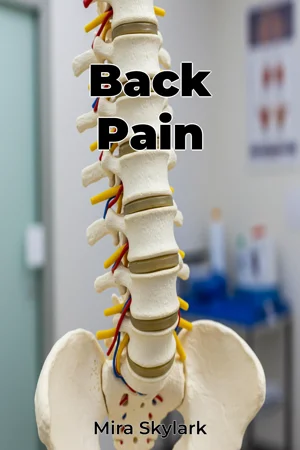
Are you among the millions experiencing persistent back pain, a discomfort that significantly impacts daily life and overall well-being? This book, "Back Pain," offers a comprehensive, evidence-based approach to understanding, preventing, and alleviating spinal discomfort. We address the core contributors to back pain: sedentary lifestyles and poor posture, and equip you with practical strategies to reclaim a pain-free existence. We explore, in detail, the biomechanics of the spine, the impact of lifestyle choices on spinal health, and effective methods for pain management. Understanding these elements is crucial because back pain is often a multifaceted problem rooted in a combination of physical habits, environmental factors, and even psychological stress. Tackling back pain requires a holistic approach that addresses each of these components. From an evolutionary perspective, the human spine is a marvel of engineering, but it’s also vulnerable to the stresses of modern life. Our sedentary habits, prolonged sitting, and incorrect lifting techniques place undue pressure on the spinal structure, leading to pain and dysfunction. This book bridges the gap between understanding the root causes of back pain and implementing actionable solutions. Our central argument is that back pain is largely preventable and manageable through targeted exercises, ergonomic adjustments, and conscious lifestyle modifications. This book underscores that proactive self-care is not merely a treatment option, but a pathway to long-term spinal health and improved quality of life. The book begins by deconstructing the anatomy and physiology of the spine, offering an accessible overview even for those with no prior medical knowledge. It then progresses to examine the common causes of back pain, including muscle strain, disc degeneration, and nerve compression. We dedicate specific chapters to postural correction, outlining practical exercises and ergonomic strategies for various settings, from your home office to your car. The culmination focuses on integrating these techniques into a sustainable lifestyle, addressing both physical and psychological aspects of chronic pain management. The recommendations in this book are supported by a thorough review of scientific literature, clinical studies, and expert opinions in the fields of orthopedics, physical therapy, and ergonomics. We critically analyze various treatment modalities, separating evidence-based approaches from unsubstantiated claims. Case studies and real-world examples illustrate how these techniques have been successfully applied to diverse populations. "Back Pain" draws connections to several related fields, including kinesiology (the study of movement), occupational therapy (adapting environments for individuals' needs), and psychology (understanding the role of stress and pain perception). By integrating perspectives from these disciplines, we provide a multi-dimensional understanding of back pain and its impact on overall health. A unique aspect of this book is its emphasis on self-empowerment. We provide readers with the tools and knowledge to become active participants in their own recovery and long-term spinal health. This approach contrasts with traditional models that often rely solely on passive treatments or medical interventions. The tone is informative and encouraging, designed to be both educational and motivating. The writing style is accessible, avoiding complex medical jargon while maintaining scientific accuracy. This book specifically targets individuals experiencing chronic or recurrent back pain, those seeking to prevent back pain, and healthcare professionals looking for a comprehensive resource on spinal health. It is valuable for anyone seeking practical, evidence-based strategies for managing back pain and improving their overall well-being. As a health & fitness guide, the book focuses primarily on non-invasive, self-care strategies for back pain management. While we acknowledge the role of medical interventions like surgery and medication, our primary focus remains on empowering readers to take control of their spinal health through exercise, ergonomics, and lifestyle modifications. The information presented is intended for educational purposes and does not constitute medical advice. Readers are encouraged to consult with healthcare professionals before making significant changes to their treatment plans. We also address the ongoing debates surrounding various back pain treatments, providing a balanced perspective on controversial topics. Ultimately, "Back Pain" is a practical guide designed to empower readers with the knowledge and tools they need to prevent and alleviate spinal discomfort. By adopting the strategies outlined in this book, readers can regain control of their lives and enjoy a pain-free, active future.
Are you among the millions experiencing persistent back pain, a discomfort that significantly impacts daily life and overall well-being? This book, "Back Pain," offers a comprehensive, evidence-based approach to understanding, preventing, and alleviating spinal discomfort. We address the core contributors to back pain: sedentary lifestyles and poor posture, and equip you with practical strategies to reclaim a pain-free existence. We explore, in detail, the biomechanics of the spine, the impact of lifestyle choices on spinal health, and effective methods for pain management. Understanding these elements is crucial because back pain is often a multifaceted problem rooted in a combination of physical habits, environmental factors, and even psychological stress. Tackling back pain requires a holistic approach that addresses each of these components. From an evolutionary perspective, the human spine is a marvel of engineering, but it’s also vulnerable to the stresses of modern life. Our sedentary habits, prolonged sitting, and incorrect lifting techniques place undue pressure on the spinal structure, leading to pain and dysfunction. This book bridges the gap between understanding the root causes of back pain and implementing actionable solutions. Our central argument is that back pain is largely preventable and manageable through targeted exercises, ergonomic adjustments, and conscious lifestyle modifications. This book underscores that proactive self-care is not merely a treatment option, but a pathway to long-term spinal health and improved quality of life. The book begins by deconstructing the anatomy and physiology of the spine, offering an accessible overview even for those with no prior medical knowledge. It then progresses to examine the common causes of back pain, including muscle strain, disc degeneration, and nerve compression. We dedicate specific chapters to postural correction, outlining practical exercises and ergonomic strategies for various settings, from your home office to your car. The culmination focuses on integrating these techniques into a sustainable lifestyle, addressing both physical and psychological aspects of chronic pain management. The recommendations in this book are supported by a thorough review of scientific literature, clinical studies, and expert opinions in the fields of orthopedics, physical therapy, and ergonomics. We critically analyze various treatment modalities, separating evidence-based approaches from unsubstantiated claims. Case studies and real-world examples illustrate how these techniques have been successfully applied to diverse populations. "Back Pain" draws connections to several related fields, including kinesiology (the study of movement), occupational therapy (adapting environments for individuals' needs), and psychology (understanding the role of stress and pain perception). By integrating perspectives from these disciplines, we provide a multi-dimensional understanding of back pain and its impact on overall health. A unique aspect of this book is its emphasis on self-empowerment. We provide readers with the tools and knowledge to become active participants in their own recovery and long-term spinal health. This approach contrasts with traditional models that often rely solely on passive treatments or medical interventions. The tone is informative and encouraging, designed to be both educational and motivating. The writing style is accessible, avoiding complex medical jargon while maintaining scientific accuracy. This book specifically targets individuals experiencing chronic or recurrent back pain, those seeking to prevent back pain, and healthcare professionals looking for a comprehensive resource on spinal health. It is valuable for anyone seeking practical, evidence-based strategies for managing back pain and improving their overall well-being. As a health & fitness guide, the book focuses primarily on non-invasive, self-care strategies for back pain management. While we acknowledge the role of medical interventions like surgery and medication, our primary focus remains on empowering readers to take control of their spinal health through exercise, ergonomics, and lifestyle modifications. The information presented is intended for educational purposes and does not constitute medical advice. Readers are encouraged to consult with healthcare professionals before making significant changes to their treatment plans. We also address the ongoing debates surrounding various back pain treatments, providing a balanced perspective on controversial topics. Ultimately, "Back Pain" is a practical guide designed to empower readers with the knowledge and tools they need to prevent and alleviate spinal discomfort. By adopting the strategies outlined in this book, readers can regain control of their lives and enjoy a pain-free, active future.
"Back Pain" offers a comprehensive guide to understanding, preventing, and alleviating spinal discomfort, a condition impacting millions. The book emphasizes that a sedentary lifestyle and poor posture are major contributors to back pain, highlighting the importance of addressing both physical habits and environmental factors. From an evolutionary standpoint, while the spine is an engineering marvel, modern habits often place undue stress on it. This self-help resource presents a multi-faceted approach, starting with the anatomy and physiology of the spine before exploring common causes of pain like muscle strain and disc degeneration. It uniquely emphasizes self-empowerment, giving readers tools and knowledge to actively participate in their recovery through targeted exercises, ergonomic adjustments, and lifestyle modifications. The book integrates perspectives from kinesiology, occupational therapy, and psychology, offering a holistic view. The book progresses from foundational knowledge to practical solutions, dedicating chapters to posture correction and ergonomics applicable across various settings. It culminates in strategies for integrating these techniques into a sustainable lifestyle, addressing both the physical and psychological aspects of chronic pain management. This health & fitness guide empowers readers to regain control and improve their well-being.
Book Details
ISBN
9788235274380
Publisher
Publifye AS
Your Licenses
You don't own any licenses for this book
Purchase a license below to unlock this book and download the EPUB.
Purchase License
Select a tier to unlock this book
Need bulk licensing?
Contact us for enterprise agreements.