
About This Book
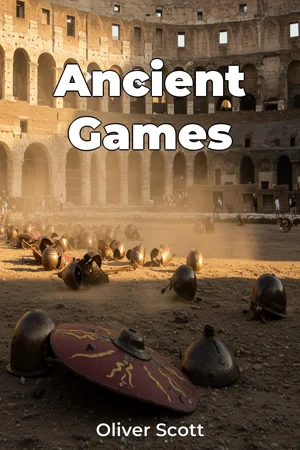
Did you know that the games we play today have roots stretching back to the dawn of civilization? "Ancient Games" delves into the fascinating world of sports, board games, and competitions as they existed in ancient societies, revealing how these activities were integral to their cultures, social structures, and even their understanding of the cosmos. This book examines the evolution and significance of games, demonstrating that they were far more than mere pastimes. This exploration focuses on two major themes: the cultural importance of games and the development of competitive sport. Games in antiquity were often deeply intertwined with religious rituals, social hierarchies, and political power. They provided a means of entertainment, a way to train warriors, and a context to showcase physical and mental prowess. Understanding these games provides valuable insight into the values and beliefs of ancient peoples. Furthermore, "Ancient Games" charts the progression from informal play to structured competition, highlighting the precursors to modern athletic events and the emergence of standardized rules and organized leagues. The book provides crucial historical context, examining the social and political landscapes of key ancient civilizations such as Egypt, Greece, Rome, and Mesoamerica. It investigates how each civilization adapted and transformed games to reflect its unique identity. Prior knowledge of ancient history is helpful but not required, as introductory sections provide necessary background information. The central argument of "Ancient Games" is that understanding the games of ancient civilizations offers a unique lens through which we can interpret their societal values, technological advancements, and fundamental understanding of life. This understanding challenges the modern perception of games as simply leisure activities, demonstrating their profound impact on shaping ancient societies and leaving a legacy that continues to influence modern culture. The book is structured to provide a comprehensive overview of ancient games. It begins by introducing the core concepts of play, competition, and their cultural significance. The subsequent chapters are organized around major civilizations and game categories. One section explores the games of ancient Egypt, focusing on board games like Senet and Mehen, as well as physical activities like wrestling and archery, illustrating their connections to religious beliefs and royal power. Another segment examines ancient Greece, detailing the evolution of the Olympic Games from religious festival to pan-Hellenic event, analyzing the rules, events, and social impact of these competitions. A third main section investigates Roman games, including gladiatorial combat, chariot racing, and ball games, uncovering their role in political propaganda and social control. Each section culminates with an analysis of how these games influenced subsequent cultures and continue to resonate in modern sports and gaming. The arguments presented in "Ancient Games" are supported by extensive research, drawing upon archaeological evidence, ancient texts, artistic representations, and comparative analyses of different cultures. Unique data sources include inscriptions on ancient game boards, depictions of athletes on pottery, and accounts of sporting events in historical literature. "Ancient Games" connects to various other fields of study. Firstly, archaeology allows us to reconstruct ancient game boards, playing pieces, and sporting venues, providing tangible evidence of past activities. Secondly, sociology provides frameworks for understanding the social functions of games, examining how they reinforced social hierarchies and promoted group cohesion. Thirdly, political science illuminates the use of games as tools for power and propaganda, particularly in authoritarian regimes. These interdisciplinary connections enrich and strengthen the overall argument, providing a more holistic understanding of the role of games in ancient societies. This book takes a unique approach by integrating archaeological findings, historical texts, and sociological theories to offer a comprehensive analysis of ancient games. It moves beyond mere descriptions of games to explore their deeper cultural and social significance, offering fresh perspectives on ancient societies and their values. The tone of "Ancient Games" is informative and engaging, presenting complex information in an accessible and compelling manner. The writing style balances academic rigor with readability, making the book accessible to a wide audience. The intended readership includes history enthusiasts, sports aficionados, game designers, and anyone interested in learning about the origins of play and competition. The book offers valuable insights into the cultural foundations of modern sports and games, while also providing a deeper appreciation of ancient civilizations and their legacies. As a work of non-fiction, "Ancient Games" adheres to the conventions of historical accuracy, evidentiary support, and balanced analysis. It also incorporates elements of sports history, analyzing the development of athletic competitions and their impact on culture. The scope of "Ancient Games" encompasses a wide range of ancient civilizations and game types, but it focuses primarily on the most well-documented and influential examples. It does not aim to provide an exhaustive catalog of every game played in antiquity, but rather to offer a representative overview of the key themes and trends. The information in "Ancient Games" can be applied practically in various ways. Game designers can draw inspiration from ancient game mechanics and themes, while educators can use games as engaging tools for teaching history and culture. Moreover, understanding the historical context of sports can provide valuable perspectives on contemporary issues, such as fair play, competition, and cultural exchange. While the book examines the factual elements of ancient games, there remain some debates and uncertainties. For example, the precise rules and strategies of some ancient board games are still subject to interpretation, and there are ongoing discussions about the social status and training of gladiators. "Ancient Games" addresses these controversies by presenting different perspectives and acknowledging the limitations of current knowledge.
Did you know that the games we play today have roots stretching back to the dawn of civilization? "Ancient Games" delves into the fascinating world of sports, board games, and competitions as they existed in ancient societies, revealing how these activities were integral to their cultures, social structures, and even their understanding of the cosmos. This book examines the evolution and significance of games, demonstrating that they were far more than mere pastimes. This exploration focuses on two major themes: the cultural importance of games and the development of competitive sport. Games in antiquity were often deeply intertwined with religious rituals, social hierarchies, and political power. They provided a means of entertainment, a way to train warriors, and a context to showcase physical and mental prowess. Understanding these games provides valuable insight into the values and beliefs of ancient peoples. Furthermore, "Ancient Games" charts the progression from informal play to structured competition, highlighting the precursors to modern athletic events and the emergence of standardized rules and organized leagues. The book provides crucial historical context, examining the social and political landscapes of key ancient civilizations such as Egypt, Greece, Rome, and Mesoamerica. It investigates how each civilization adapted and transformed games to reflect its unique identity. Prior knowledge of ancient history is helpful but not required, as introductory sections provide necessary background information. The central argument of "Ancient Games" is that understanding the games of ancient civilizations offers a unique lens through which we can interpret their societal values, technological advancements, and fundamental understanding of life. This understanding challenges the modern perception of games as simply leisure activities, demonstrating their profound impact on shaping ancient societies and leaving a legacy that continues to influence modern culture. The book is structured to provide a comprehensive overview of ancient games. It begins by introducing the core concepts of play, competition, and their cultural significance. The subsequent chapters are organized around major civilizations and game categories. One section explores the games of ancient Egypt, focusing on board games like Senet and Mehen, as well as physical activities like wrestling and archery, illustrating their connections to religious beliefs and royal power. Another segment examines ancient Greece, detailing the evolution of the Olympic Games from religious festival to pan-Hellenic event, analyzing the rules, events, and social impact of these competitions. A third main section investigates Roman games, including gladiatorial combat, chariot racing, and ball games, uncovering their role in political propaganda and social control. Each section culminates with an analysis of how these games influenced subsequent cultures and continue to resonate in modern sports and gaming. The arguments presented in "Ancient Games" are supported by extensive research, drawing upon archaeological evidence, ancient texts, artistic representations, and comparative analyses of different cultures. Unique data sources include inscriptions on ancient game boards, depictions of athletes on pottery, and accounts of sporting events in historical literature. "Ancient Games" connects to various other fields of study. Firstly, archaeology allows us to reconstruct ancient game boards, playing pieces, and sporting venues, providing tangible evidence of past activities. Secondly, sociology provides frameworks for understanding the social functions of games, examining how they reinforced social hierarchies and promoted group cohesion. Thirdly, political science illuminates the use of games as tools for power and propaganda, particularly in authoritarian regimes. These interdisciplinary connections enrich and strengthen the overall argument, providing a more holistic understanding of the role of games in ancient societies. This book takes a unique approach by integrating archaeological findings, historical texts, and sociological theories to offer a comprehensive analysis of ancient games. It moves beyond mere descriptions of games to explore their deeper cultural and social significance, offering fresh perspectives on ancient societies and their values. The tone of "Ancient Games" is informative and engaging, presenting complex information in an accessible and compelling manner. The writing style balances academic rigor with readability, making the book accessible to a wide audience. The intended readership includes history enthusiasts, sports aficionados, game designers, and anyone interested in learning about the origins of play and competition. The book offers valuable insights into the cultural foundations of modern sports and games, while also providing a deeper appreciation of ancient civilizations and their legacies. As a work of non-fiction, "Ancient Games" adheres to the conventions of historical accuracy, evidentiary support, and balanced analysis. It also incorporates elements of sports history, analyzing the development of athletic competitions and their impact on culture. The scope of "Ancient Games" encompasses a wide range of ancient civilizations and game types, but it focuses primarily on the most well-documented and influential examples. It does not aim to provide an exhaustive catalog of every game played in antiquity, but rather to offer a representative overview of the key themes and trends. The information in "Ancient Games" can be applied practically in various ways. Game designers can draw inspiration from ancient game mechanics and themes, while educators can use games as engaging tools for teaching history and culture. Moreover, understanding the historical context of sports can provide valuable perspectives on contemporary issues, such as fair play, competition, and cultural exchange. While the book examines the factual elements of ancient games, there remain some debates and uncertainties. For example, the precise rules and strategies of some ancient board games are still subject to interpretation, and there are ongoing discussions about the social status and training of gladiators. "Ancient Games" addresses these controversies by presenting different perspectives and acknowledging the limitations of current knowledge.
"Ancient Games" reveals that sports and games in ancient civilizations were more than simple pastimes; they were integral to cultural identity, social structure, and even political power. The book explores the fascinating ways in which games were intertwined with religious rituals, warrior training, and displays of prowess. For example, games in ancient Egypt, like Senet and Mehen, were connected to religious beliefs and royal power. Understanding these games provides a unique lens through which to view the values and beliefs of ancient peoples. The book charts the progression from informal play to structured competition, highlighting the precursors to modern athletic events, such as the Greek Olympics, and the emergence of standardized rules. The book examines ancient Egypt, Greece, and Rome, dedicating sections to each civilization and key game categories. Throughout, the book integrates archaeological findings, historical texts, and sociological theories to offer a comprehensive analysis of ancient games, emphasizing their cultural and social significance.
Book Details
ISBN
9788235274144
Publisher
Publifye AS
Your Licenses
You don't own any licenses for this book
Purchase a license below to unlock this book and download the EPUB.
Purchase License
Select a tier to unlock this book
Need bulk licensing?
Contact us for enterprise agreements.