
About This Book
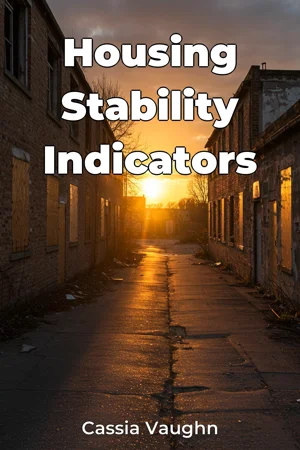
How does systemic discrimination shape the very roofs over our heads, leaving some of society's most vulnerable members exposed to the elements? "Housing Stability Indicators" delves into the alarming disparities in homelessness and housing instability experienced by LGBTQ individuals, revealing how identity intersects with systemic barriers to equitable housing access and inclusive housing policy outcomes. This book grapples with two fundamental concepts: the disproportionate rates of housing insecurity within the LGBTQ community and the ways in which discriminatory practices exacerbate these vulnerabilities, focusing on the lived experiences of individuals navigating a complex web of societal and institutional challenges. These are critical concerns, given the fundamental human right to safe and stable housing and the demonstrable impact of housing on health, economic opportunity, and overall well-being. This exploration is built upon a foundation of understanding the historical and societal context surrounding LGBTQ rights, including discriminatory housing practices that were often legal and socially accepted for decades. Furthermore, a knowledge of housing policy and fair housing laws is essential for understanding how these systems create obstacles for LGBTQ individuals. The central argument posits that housing instability among LGBTQ individuals is not merely a consequence of individual circumstances but rather a direct result of systemic discrimination embedded within housing policies and practices. The book underscores the urgent need for inclusive policies that address the unique challenges faced by this community. The book unfolds in three major sections. First, it establishes a framework for understanding LGBTQ identities, including nuanced differences across sexual orientation, gender identity, and expression, and examines the social and economic disparities that impact housing stability. The second section examines the specific barriers LGBTQ individuals encounter when attempting to access shelter, including discrimination from service providers, lack of affirming spaces, and challenges related to documentation. The final section analyzes current housing policies and proposes evidence-based policy recommendations aimed at promoting equity and inclusion. This section identifies how these policies perpetuate disparities and suggests strategies for change, using case studies and policy analysis to demonstrate the potential for positive outcomes. The book relies on a multi-faceted approach, drawing upon quantitative data from national surveys and housing agencies as well as qualitative data from interviews and focus groups with LGBTQ individuals experiencing housing instability. Policy analysis is also used to critique the impact and inclusivity of existing housing laws. "Housing Stability Indicators" connects to several key fields, including urban sociology, public policy, and LGBTQ studies, demonstrating the multifaceted nature of housing inequality. An innovative aspect of the book is its emphasis on intersectionality, recognizing that LGBTQ individuals are not a monolithic group and that race, class, and other identities further compound housing challenges. This book adopts an academic yet accessible tone, prioritizing clarity and precision while remaining sensitive to the lived experiences of LGBTQ individuals. The target audience includes policymakers, housing advocates, social workers, academics, and anyone interested in understanding and addressing housing inequality. As a work in social science, the book adheres to the standards of empirical research and rigorous analysis. While acknowledging that the scope of housing instability is vast and multifaceted, the book focuses specifically on the unique challenges faced by LGBTQ individuals. The insights offered have practical applications for designing more inclusive housing programs, training service providers, and advocating for policy changes. Finally, the book acknowledges ongoing debates surrounding the best approaches to addressing LGBTQ homelessness and offers a nuanced perspective that takes into account diverse viewpoints and potential trade-offs.
How does systemic discrimination shape the very roofs over our heads, leaving some of society's most vulnerable members exposed to the elements? "Housing Stability Indicators" delves into the alarming disparities in homelessness and housing instability experienced by LGBTQ individuals, revealing how identity intersects with systemic barriers to equitable housing access and inclusive housing policy outcomes. This book grapples with two fundamental concepts: the disproportionate rates of housing insecurity within the LGBTQ community and the ways in which discriminatory practices exacerbate these vulnerabilities, focusing on the lived experiences of individuals navigating a complex web of societal and institutional challenges. These are critical concerns, given the fundamental human right to safe and stable housing and the demonstrable impact of housing on health, economic opportunity, and overall well-being. This exploration is built upon a foundation of understanding the historical and societal context surrounding LGBTQ rights, including discriminatory housing practices that were often legal and socially accepted for decades. Furthermore, a knowledge of housing policy and fair housing laws is essential for understanding how these systems create obstacles for LGBTQ individuals. The central argument posits that housing instability among LGBTQ individuals is not merely a consequence of individual circumstances but rather a direct result of systemic discrimination embedded within housing policies and practices. The book underscores the urgent need for inclusive policies that address the unique challenges faced by this community. The book unfolds in three major sections. First, it establishes a framework for understanding LGBTQ identities, including nuanced differences across sexual orientation, gender identity, and expression, and examines the social and economic disparities that impact housing stability. The second section examines the specific barriers LGBTQ individuals encounter when attempting to access shelter, including discrimination from service providers, lack of affirming spaces, and challenges related to documentation. The final section analyzes current housing policies and proposes evidence-based policy recommendations aimed at promoting equity and inclusion. This section identifies how these policies perpetuate disparities and suggests strategies for change, using case studies and policy analysis to demonstrate the potential for positive outcomes. The book relies on a multi-faceted approach, drawing upon quantitative data from national surveys and housing agencies as well as qualitative data from interviews and focus groups with LGBTQ individuals experiencing housing instability. Policy analysis is also used to critique the impact and inclusivity of existing housing laws. "Housing Stability Indicators" connects to several key fields, including urban sociology, public policy, and LGBTQ studies, demonstrating the multifaceted nature of housing inequality. An innovative aspect of the book is its emphasis on intersectionality, recognizing that LGBTQ individuals are not a monolithic group and that race, class, and other identities further compound housing challenges. This book adopts an academic yet accessible tone, prioritizing clarity and precision while remaining sensitive to the lived experiences of LGBTQ individuals. The target audience includes policymakers, housing advocates, social workers, academics, and anyone interested in understanding and addressing housing inequality. As a work in social science, the book adheres to the standards of empirical research and rigorous analysis. While acknowledging that the scope of housing instability is vast and multifaceted, the book focuses specifically on the unique challenges faced by LGBTQ individuals. The insights offered have practical applications for designing more inclusive housing programs, training service providers, and advocating for policy changes. Finally, the book acknowledges ongoing debates surrounding the best approaches to addressing LGBTQ homelessness and offers a nuanced perspective that takes into account diverse viewpoints and potential trade-offs.
"Housing Stability Indicators" explores the critical issue of housing inequality, specifically focusing on the disproportionate rates of housing instability and homelessness experienced by LGBTQ individuals. It argues that systemic discrimination, embedded within housing policies and practices, is a primary driver of these disparities, rather than individual circumstances. The book highlights the intersectionality of identities, recognizing that race, class, and other factors compound housing challenges for LGBTQ individuals. Understanding the historical context of discriminatory housing practices, including those once legal, is essential to grasp the present-day obstacles. The book presents its findings through a multi-faceted approach, combining quantitative data from national surveys with qualitative insights from interviews and focus groups. It examines barriers to accessing shelter, such as discrimination from service providers and a lack of affirming spaces. Ultimately, the book proposes evidence-based policy recommendations aimed at promoting equity and inclusion, offering practical insights for policymakers, housing advocates, and social workers. The book progresses across three sections, first establishing a framework for understanding LGBTQ identities and disparities, then examining specific barriers to accessing shelter, and finally analyzing current housing policies and suggesting strategies for change. It connects to fields such as urban sociology, public policy, and LGBTQ studies, emphasizing the multifaceted nature of housing inequality and the urgent need for inclusive housing policy.
Book Details
ISBN
9788235273925
Publisher
Publifye AS
Your Licenses
You don't own any licenses for this book
Purchase a license below to unlock this book and download the EPUB.
Purchase License
Select a tier to unlock this book
Need bulk licensing?
Contact us for enterprise agreements.