
About This Book
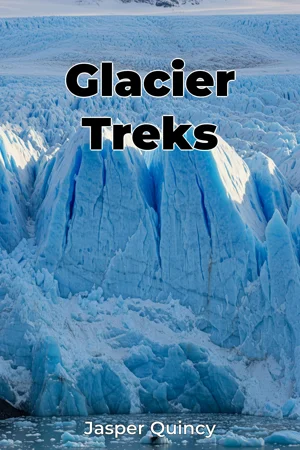
Imagine standing at the edge of a colossal river of ice, contemplating the challenges of traversing its ever-shifting surface. "Glacier Treks" plunges into the heart of these icy landscapes, exploring not just the physical challenges of glacier travel, but also the profound scientific and geographical forces that shape these dynamic environments. This book offers a comprehensive exploration of glacier trekking, focusing on the practical skills required for safe and successful expeditions, the geological processes that govern glacier behavior, and the critical role glaciers play in the Earth’s changing climate. We delve into the science of glaciology to understand the formation, movement, and structure of glaciers, providing a foundation for appreciating the complexities of glacier trekking. Understanding crevasses, seracs, and the unique properties of glacial ice is fundamental for anyone venturing onto these landscapes. Our examination of these features underscores the inherent risks and the necessary precautions for safe travel. We investigate the impact of weather patterns and seasonal changes on glacier conditions. This topic is crucial for planning expeditions and adapting to unpredictable environments. "Glacier Treks" presents a structured approach. We begin with an introduction to the fundamental concepts of glaciology and glacier morphology, establishing a strong knowledge base. We then examine the essential skills and equipment required for glacier travel, covering navigation, crevasse rescue techniques, and cold-weather survival strategies. Subsequent chapters detail case studies of various glacier treks around the world, highlighting the unique challenges and rewards of each location. We conclude by examining the impact of climate change on glaciers and the implications for future expeditions and the planet's water resources. The information presented in "Glacier Treks" is supported by a combination of scientific research, expert interviews, and firsthand accounts from experienced glacier trekkers and mountaineers. We draw upon data from remote sensing technologies, including satellite imagery and ground-penetrating radar, to illustrate glacier dynamics and changes over time. Personal narratives provide real-world perspectives on the challenges and triumphs encountered during glacier expeditions. The book navigates the intersection of earth sciences, geography, and adventure, connecting to fields such as climate science, meteorology, and outdoor recreation. By understanding glacier dynamics and the impact of climate change, readers gain a deeper appreciation for the fragility of these environments and the importance of responsible stewardship. The skills and knowledge imparted in this book are directly applicable to various real-world scenarios, from planning personal expeditions to contributing to scientific research and conservation efforts. "Glacier Treks" takes a pragmatic and informative approach, avoiding sensationalism in favor of accurate scientific explanations and practical guidance. The writing style is accessible to a broad audience, appealing to both seasoned mountaineers and those with a general interest in earth sciences and adventure travel. We target outdoor enthusiasts, geography students, and anyone curious about the world’s icy frontiers. The book caters to those seeking comprehensive knowledge of glacier systems combined with the practical know-how to navigate them safely. While "Glacier Treks" provides a broad overview of glacier travel techniques and geographical contexts, it does not delve into the specifics of advanced mountaineering techniques or complex geological modeling. It intentionally focuses on providing a balanced perspective that bridges scientific understanding with human experience. The book is suited for readers who want to move beyond casual appreciation toward a deeper understanding of the complex interplay between geological forces and the skills required to explore these unique environments. It serves as a bridge, connecting scientific concepts to the practical skills needed to safely engage with these landscapes, while highlighting the importance of glacier preservation in a changing world.
Imagine standing at the edge of a colossal river of ice, contemplating the challenges of traversing its ever-shifting surface. "Glacier Treks" plunges into the heart of these icy landscapes, exploring not just the physical challenges of glacier travel, but also the profound scientific and geographical forces that shape these dynamic environments. This book offers a comprehensive exploration of glacier trekking, focusing on the practical skills required for safe and successful expeditions, the geological processes that govern glacier behavior, and the critical role glaciers play in the Earth’s changing climate. We delve into the science of glaciology to understand the formation, movement, and structure of glaciers, providing a foundation for appreciating the complexities of glacier trekking. Understanding crevasses, seracs, and the unique properties of glacial ice is fundamental for anyone venturing onto these landscapes. Our examination of these features underscores the inherent risks and the necessary precautions for safe travel. We investigate the impact of weather patterns and seasonal changes on glacier conditions. This topic is crucial for planning expeditions and adapting to unpredictable environments. "Glacier Treks" presents a structured approach. We begin with an introduction to the fundamental concepts of glaciology and glacier morphology, establishing a strong knowledge base. We then examine the essential skills and equipment required for glacier travel, covering navigation, crevasse rescue techniques, and cold-weather survival strategies. Subsequent chapters detail case studies of various glacier treks around the world, highlighting the unique challenges and rewards of each location. We conclude by examining the impact of climate change on glaciers and the implications for future expeditions and the planet's water resources. The information presented in "Glacier Treks" is supported by a combination of scientific research, expert interviews, and firsthand accounts from experienced glacier trekkers and mountaineers. We draw upon data from remote sensing technologies, including satellite imagery and ground-penetrating radar, to illustrate glacier dynamics and changes over time. Personal narratives provide real-world perspectives on the challenges and triumphs encountered during glacier expeditions. The book navigates the intersection of earth sciences, geography, and adventure, connecting to fields such as climate science, meteorology, and outdoor recreation. By understanding glacier dynamics and the impact of climate change, readers gain a deeper appreciation for the fragility of these environments and the importance of responsible stewardship. The skills and knowledge imparted in this book are directly applicable to various real-world scenarios, from planning personal expeditions to contributing to scientific research and conservation efforts. "Glacier Treks" takes a pragmatic and informative approach, avoiding sensationalism in favor of accurate scientific explanations and practical guidance. The writing style is accessible to a broad audience, appealing to both seasoned mountaineers and those with a general interest in earth sciences and adventure travel. We target outdoor enthusiasts, geography students, and anyone curious about the world’s icy frontiers. The book caters to those seeking comprehensive knowledge of glacier systems combined with the practical know-how to navigate them safely. While "Glacier Treks" provides a broad overview of glacier travel techniques and geographical contexts, it does not delve into the specifics of advanced mountaineering techniques or complex geological modeling. It intentionally focuses on providing a balanced perspective that bridges scientific understanding with human experience. The book is suited for readers who want to move beyond casual appreciation toward a deeper understanding of the complex interplay between geological forces and the skills required to explore these unique environments. It serves as a bridge, connecting scientific concepts to the practical skills needed to safely engage with these landscapes, while highlighting the importance of glacier preservation in a changing world.
"Glacier Treks" explores the captivating world of glaciers, blending Earth sciences, geography, and adventure. It delves into the science of glaciology, explaining how these icy rivers form and move, while also equipping readers with essential skills for safe glacier travel. Did you know that glaciers, despite appearing static, are constantly shifting and reshaping the landscape? Or that crevasses, deep cracks in the ice, pose significant risks demanding specialized rescue techniques? The book takes a structured approach, beginning with fundamental concepts and progressing to practical skills like navigation and crevasse rescue. Case studies of glacier treks around the world illustrate unique challenges and rewards, offering firsthand perspectives from experienced mountaineers. The book emphasizes responsible stewardship, highlighting the impact of climate change on these fragile environments. Ultimately, "Glacier Treks" bridges scientific understanding with practical know-how, making it a valuable resource for outdoor enthusiasts and anyone interested in the planet's icy frontiers.
Book Details
ISBN
9788235273833
Publisher
Publifye AS
Your Licenses
You don't own any licenses for this book
Purchase a license below to unlock this book and download the EPUB.
Purchase License
Select a tier to unlock this book
Need bulk licensing?
Contact us for enterprise agreements.