
About This Book
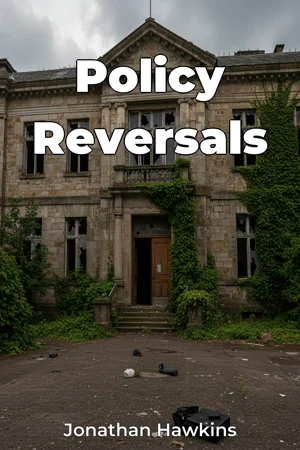
Why do governments abruptly abandon established policies, sometimes reversing course on decisions that seemed firmly entrenched? "Policy Reversals" investigates the dynamics behind these critical turning points in governance, exploring the causes, consequences, and complex decision-making processes that lead to significant policy shifts. This book delves into the heart of political science and current events, offering readers a comprehensive understanding of policy volatility. This book focuses on two key aspects of policy reversals: the catalysts that initiate them and their broader impact on society and governance. By examining specific cases across various sectors and countries, "Policy Reversals" aims to equip readers with a framework for understanding and anticipating these shifts. The exploration is crucial because abrupt policy changes can destabilize markets, erode public trust, and create uncertainty in sectors ranging from healthcare to environmental regulation. The book begins by laying the groundwork with a discussion of policy stability and the factors that typically maintain it, such as institutional inertia, political consensus, and economic stability. It then introduces the concept of "reversal triggers"—sudden events or conditions that can undermine the status quo. These triggers might include economic crises, shifts in public opinion, technological disruptions, or changes in political leadership. The core of "Policy Reversals" is structured around case studies that illustrate different types of reversals. One key section examines reversals driven by economic pressures, such as austerity measures implemented in response to financial crises, or shifts in trade policies due to global market changes. Another significant segment focuses on reversals stemming from socio-political factors, including changes in public sentiment related to social issues that lead to the alteration or repeal of existing legislation. Finally, the book addresses how these reversals impact different segments of society, including businesses, communities, and individual citizens, highlighting the winners and losers in these policy shifts. The analysis is supported by a range of empirical evidence, including statistical data on economic outcomes, public opinion surveys, and detailed analyses of legislative records. The book also draws on interviews with policymakers, experts, and stakeholders to provide a nuanced understanding of the decision-making processes involved. The methodology includes comparative analysis, examining similar reversals across different countries to identify common patterns and unique contextual factors. "Policy Reversals" connects to fields such as economics, sociology, and public administration. The economic perspective helps to understand the financial incentives and constraints that drive policy choices. The sociological lens offers insights into the social forces and cultural values that shape public opinion and influence policy agendas. Public administration contributes an understanding of the bureaucratic processes and institutional structures that affect policy implementation and adaptation. What sets this book apart is its emphasis on the interconnectedness of different reversal triggers and their cascading effects. It argues that reversals are rarely isolated events but are often part of broader systemic shifts. The book advocates for a more adaptive and resilient approach to policymaking, one that anticipates potential disruptions and builds in mechanisms for flexibility and adjustment. Written in a clear and accessible style, "Policy Reversals" is intended for a broad audience, including students of political science, public policy professionals, business leaders, and anyone interested in understanding the dynamics of governance. The book offers practical insights for policymakers seeking to avoid unintended consequences and for citizens seeking to engage more effectively in the policy process. As a work in the genre of Current Events and Politics, "Policy Reversals" adheres to the principles of objectivity and evidence-based analysis. It acknowledges the complex and often contentious nature of policy debates, but strives to present a balanced and nuanced perspective. The book’s scope is intentionally broad, covering a range of policy areas and geographical regions. However, it focuses primarily on reversals at the national level, with some attention given to international agreements and global trends. It does not delve into the details of local or municipal policy changes. Ultimately, "Policy Reversals" offers a framework for understanding policy dynamics in an era of rapid change. By analyzing the causes and consequences of policy reversals, it provides valuable insights for navigating the challenges and opportunities of the 21st century. It highlights the need for governments to be more responsive, adaptive, and transparent in their decision-making processes.
Why do governments abruptly abandon established policies, sometimes reversing course on decisions that seemed firmly entrenched? "Policy Reversals" investigates the dynamics behind these critical turning points in governance, exploring the causes, consequences, and complex decision-making processes that lead to significant policy shifts. This book delves into the heart of political science and current events, offering readers a comprehensive understanding of policy volatility. This book focuses on two key aspects of policy reversals: the catalysts that initiate them and their broader impact on society and governance. By examining specific cases across various sectors and countries, "Policy Reversals" aims to equip readers with a framework for understanding and anticipating these shifts. The exploration is crucial because abrupt policy changes can destabilize markets, erode public trust, and create uncertainty in sectors ranging from healthcare to environmental regulation. The book begins by laying the groundwork with a discussion of policy stability and the factors that typically maintain it, such as institutional inertia, political consensus, and economic stability. It then introduces the concept of "reversal triggers"—sudden events or conditions that can undermine the status quo. These triggers might include economic crises, shifts in public opinion, technological disruptions, or changes in political leadership. The core of "Policy Reversals" is structured around case studies that illustrate different types of reversals. One key section examines reversals driven by economic pressures, such as austerity measures implemented in response to financial crises, or shifts in trade policies due to global market changes. Another significant segment focuses on reversals stemming from socio-political factors, including changes in public sentiment related to social issues that lead to the alteration or repeal of existing legislation. Finally, the book addresses how these reversals impact different segments of society, including businesses, communities, and individual citizens, highlighting the winners and losers in these policy shifts. The analysis is supported by a range of empirical evidence, including statistical data on economic outcomes, public opinion surveys, and detailed analyses of legislative records. The book also draws on interviews with policymakers, experts, and stakeholders to provide a nuanced understanding of the decision-making processes involved. The methodology includes comparative analysis, examining similar reversals across different countries to identify common patterns and unique contextual factors. "Policy Reversals" connects to fields such as economics, sociology, and public administration. The economic perspective helps to understand the financial incentives and constraints that drive policy choices. The sociological lens offers insights into the social forces and cultural values that shape public opinion and influence policy agendas. Public administration contributes an understanding of the bureaucratic processes and institutional structures that affect policy implementation and adaptation. What sets this book apart is its emphasis on the interconnectedness of different reversal triggers and their cascading effects. It argues that reversals are rarely isolated events but are often part of broader systemic shifts. The book advocates for a more adaptive and resilient approach to policymaking, one that anticipates potential disruptions and builds in mechanisms for flexibility and adjustment. Written in a clear and accessible style, "Policy Reversals" is intended for a broad audience, including students of political science, public policy professionals, business leaders, and anyone interested in understanding the dynamics of governance. The book offers practical insights for policymakers seeking to avoid unintended consequences and for citizens seeking to engage more effectively in the policy process. As a work in the genre of Current Events and Politics, "Policy Reversals" adheres to the principles of objectivity and evidence-based analysis. It acknowledges the complex and often contentious nature of policy debates, but strives to present a balanced and nuanced perspective. The book’s scope is intentionally broad, covering a range of policy areas and geographical regions. However, it focuses primarily on reversals at the national level, with some attention given to international agreements and global trends. It does not delve into the details of local or municipal policy changes. Ultimately, "Policy Reversals" offers a framework for understanding policy dynamics in an era of rapid change. By analyzing the causes and consequences of policy reversals, it provides valuable insights for navigating the challenges and opportunities of the 21st century. It highlights the need for governments to be more responsive, adaptive, and transparent in their decision-making processes.
"Policy Reversals" explores why governments suddenly abandon established policies, examining the causes and consequences of these shifts. These reversals can stem from various triggers like economic crises, shifts in public opinion, or technological disruptions, often destabilizing markets and eroding public trust. The book uniquely focuses on how these triggers interconnect and create cascading effects, advocating for more adaptive and resilient policymaking. The book progresses from discussing policy stability to introducing reversal triggers and their impact. Case studies illustrate reversals driven by economic pressures, such as austerity measures, and socio-political factors, like changes in public sentiment that alter legislation. Empirical evidence, including statistical data and interviews with policymakers, supports the analysis, providing a nuanced understanding of decision-making processes. This book offers a framework for understanding policy dynamics, particularly in an era of rapid change. It analyzes policy volatility across different sectors and countries, providing insights for policymakers and citizens alike. Ultimately, "Policy Reversals" emphasizes the need for responsive, adaptive, and transparent governance to navigate 21st-century challenges.
Book Details
ISBN
9788235273642
Publisher
Publifye AS
Your Licenses
You don't own any licenses for this book
Purchase a license below to unlock this book and download the EPUB.
Purchase License
Select a tier to unlock this book
Need bulk licensing?
Contact us for enterprise agreements.