
About This Book
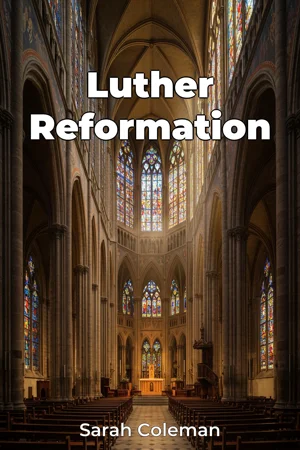
How did one man's challenge to the established church ignite a conflagration that reshaped Europe? This book, *Luther Reformation*, delves into the intricate dynamics of Martin Luther’s transformative role in the Protestant Reformation, examining its profound effects on European religion and the ensuing political upheavals. Understanding this pivotal period is crucial to grasping the foundations of modern Western society, the evolving role of religion, and the enduring interplay between faith and power. This historical analysis centers on three key themes: Luther’s theological innovations and their dissemination, the subsequent fracturing of religious unity across Europe, and the intertwined political ramifications that resulted from these seismic shifts. We explore the context of the late medieval Church, rife with corruption and perceived abuses, creating fertile ground for Luther's critiques. We analyze the core tenets of Luther's theology - *sola scriptura, sola fide, sola gratia* - and how these ideas challenged established doctrines and offered a radical alternative to salvation. The central argument of *Luther Reformation* is that Martin Luther’s challenge to papal authority unleashed a chain reaction, permanently altering the religious landscape of Europe and triggering political realignments that continue to resonate today. Luther’s initial act of defiance – the posting of the Ninety-Five Theses – rapidly escalated, sparking widespread debates, attracting supporters, and ultimately leading to his excommunication and the formal split within Western Christianity. The book unfolds in a structured manner. First, it establishes the historical context, detailing the socio-political and religious climate of the late 15th and early 16th centuries. Next, it examines Luther's biography, intellectual development, and the key theological breakthroughs that fueled his reformist agenda. It then analyzes the spread of Luther’s ideas, examining the role of printing technology and the support he garnered from various segments of society, including German princes eager to assert their independence from the Holy Roman Empire. The book dedicates significant attention to the religious wars and political maneuvering that followed, charting the rise of Protestant states and the ensuing conflicts with Catholic powers. Finally, it considers the long-term implications of the Reformation, including its influence on modern concepts of religious freedom, individual conscience, and the separation of church and state. The arguments presented will be supported by a range of primary source materials, including Luther’s writings, papal bulls, political documents, and contemporary accounts from the period. Secondary source analysis, drawing upon scholarly works in Reformation history, theology, and political science, will further enrich the narrative. *Luther Reformation* connects to broader fields such as political science, examining the dynamics of state formation and the impact of religious ideology on political power. It also intersects with sociology, analyzing the social factors that contributed to the Reformation’s success and its lasting effects on societal structures. Finally, it connects to the study of rhetoric and communication, exploring how Luther effectively used language and media to disseminate his ideas and mobilize support. This book adopts a balanced, analytical approach, avoiding hagiography or demonization of any figures involved. The tone is scholarly yet accessible, aiming to provide a comprehensive and nuanced understanding of the Reformation for both academic and general audiences interested in religious history and European history. The intended audience includes college students studying history or religion, as well as general readers interested in learning more about the Reformation and its lasting impact on the modern world. The book adheres to the conventions of academic history writing, emphasizing evidence-based arguments, clear and concise prose, and thorough documentation. The scope of the book is primarily focused on the European continent during the 16th and 17th centuries, with limited exploration of the Reformation's global impact beyond Europe. The knowledge gained by reading this book can be practically applied to understanding contemporary religious and political debates, providing historical context for current discussions about religious freedom, the role of religion in public life, and the challenges of religious pluralism. The book will address controversies surrounding the lasting effects of the Reformation, including debates about the Wars of Religion, and the degree to which Luther’s teachings contributed to social and political instability.
How did one man's challenge to the established church ignite a conflagration that reshaped Europe? This book, *Luther Reformation*, delves into the intricate dynamics of Martin Luther’s transformative role in the Protestant Reformation, examining its profound effects on European religion and the ensuing political upheavals. Understanding this pivotal period is crucial to grasping the foundations of modern Western society, the evolving role of religion, and the enduring interplay between faith and power. This historical analysis centers on three key themes: Luther’s theological innovations and their dissemination, the subsequent fracturing of religious unity across Europe, and the intertwined political ramifications that resulted from these seismic shifts. We explore the context of the late medieval Church, rife with corruption and perceived abuses, creating fertile ground for Luther's critiques. We analyze the core tenets of Luther's theology - *sola scriptura, sola fide, sola gratia* - and how these ideas challenged established doctrines and offered a radical alternative to salvation. The central argument of *Luther Reformation* is that Martin Luther’s challenge to papal authority unleashed a chain reaction, permanently altering the religious landscape of Europe and triggering political realignments that continue to resonate today. Luther’s initial act of defiance – the posting of the Ninety-Five Theses – rapidly escalated, sparking widespread debates, attracting supporters, and ultimately leading to his excommunication and the formal split within Western Christianity. The book unfolds in a structured manner. First, it establishes the historical context, detailing the socio-political and religious climate of the late 15th and early 16th centuries. Next, it examines Luther's biography, intellectual development, and the key theological breakthroughs that fueled his reformist agenda. It then analyzes the spread of Luther’s ideas, examining the role of printing technology and the support he garnered from various segments of society, including German princes eager to assert their independence from the Holy Roman Empire. The book dedicates significant attention to the religious wars and political maneuvering that followed, charting the rise of Protestant states and the ensuing conflicts with Catholic powers. Finally, it considers the long-term implications of the Reformation, including its influence on modern concepts of religious freedom, individual conscience, and the separation of church and state. The arguments presented will be supported by a range of primary source materials, including Luther’s writings, papal bulls, political documents, and contemporary accounts from the period. Secondary source analysis, drawing upon scholarly works in Reformation history, theology, and political science, will further enrich the narrative. *Luther Reformation* connects to broader fields such as political science, examining the dynamics of state formation and the impact of religious ideology on political power. It also intersects with sociology, analyzing the social factors that contributed to the Reformation’s success and its lasting effects on societal structures. Finally, it connects to the study of rhetoric and communication, exploring how Luther effectively used language and media to disseminate his ideas and mobilize support. This book adopts a balanced, analytical approach, avoiding hagiography or demonization of any figures involved. The tone is scholarly yet accessible, aiming to provide a comprehensive and nuanced understanding of the Reformation for both academic and general audiences interested in religious history and European history. The intended audience includes college students studying history or religion, as well as general readers interested in learning more about the Reformation and its lasting impact on the modern world. The book adheres to the conventions of academic history writing, emphasizing evidence-based arguments, clear and concise prose, and thorough documentation. The scope of the book is primarily focused on the European continent during the 16th and 17th centuries, with limited exploration of the Reformation's global impact beyond Europe. The knowledge gained by reading this book can be practically applied to understanding contemporary religious and political debates, providing historical context for current discussions about religious freedom, the role of religion in public life, and the challenges of religious pluralism. The book will address controversies surrounding the lasting effects of the Reformation, including debates about the Wars of Religion, and the degree to which Luther’s teachings contributed to social and political instability.
"Luther Reformation" explores Martin Luther's pivotal role in the Protestant Reformation and its profound impact on European religion and politics. This historical analysis examines how Luther's theological innovations, like *sola scriptura* (Scripture alone), challenged established doctrines and triggered a fracturing of religious unity across Europe. The book highlights how Luther's challenge to papal authority unleashed a chain reaction that reshaped the religious landscape and led to significant political realignments. The book begins by establishing the historical context of the late medieval Church, then delves into Luther's biography and theological breakthroughs. It further analyzes the spread of Luther's ideas through printing technology and the support of German princes seeking independence. By using primary sources like Luther's writings and papal bulls, the book provides a balanced and nuanced view of the Reformation, avoiding biased portrayals. Finally, the book considers the long-term implications of the Reformation, including its influence on modern concepts of religious freedom and the separation of church and state. It adopts a scholarly yet accessible tone, making it valuable for both academic and general audiences interested in religious and European history. The book connects the Reformation to broader fields such as political science and sociology, enriching its narrative.
Book Details
ISBN
9788235273574
Publisher
Publifye AS
Your Licenses
You don't own any licenses for this book
Purchase a license below to unlock this book and download the EPUB.
Purchase License
Select a tier to unlock this book
Need bulk licensing?
Contact us for enterprise agreements.