
About This Book
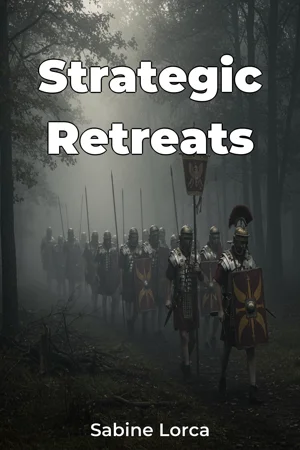
Can a retreat ever be a victory? _Strategic Retreats_ delves into the often-misunderstood military maneuver of strategic withdrawal, revealing its critical role in shaping the outcomes of numerous conflicts throughout history. This book examines how military leaders, facing overwhelming odds or unfavorable circumstances, have skillfully employed retreats not as signs of defeat, but as calculated tactics to conserve forces, gain tactical advantages, and ultimately achieve strategic objectives. The core topics explored within these pages include the principles of effective strategic withdrawals, the psychological impact on both retreating and pursuing forces, and the logistical complexities involved in executing such maneuvers successfully. These topics are vital because, contrary to popular belief, retreats are rarely spontaneous acts of desperation. They require meticulous planning, precise timing, and a deep understanding of terrain, enemy capabilities, and the morale of one's own troops. This book places these strategic withdrawals within their appropriate historical contexts, examining specific campaigns from antiquity to the modern era. Understanding the political climates, technological limitations, and societal expectations of each period is crucial to appreciating the challenges and opportunities faced by commanders contemplating a retreat. The central argument of _Strategic Retreats_ is that a well-executed strategic withdrawal is not merely a tactical expediency but a powerful strategic tool that can preserve combat power, disrupt enemy offensives, and set the stage for future counterattacks. This argument challenges the traditional perception of retreats as failures and argues for their recognition as integral components of successful military strategies. The book is structured around a chronological and thematic approach. Initially, it introduces the theoretical underpinnings of strategic withdrawals, defining key concepts and outlining the conditions under which they are most effective. It then examines specific historical examples, ranging from ancient battles to modern conflicts, analyzing the decisions made by commanders, the execution of the retreats, and their subsequent impact on the course of the war. Major points will include Roman Fabian strategy, Russian strategies against Napoleon and Hitler, and the use of strategic withdrawals in Vietnam. The book culminates in a discussion of the lessons learned from these historical examples and their relevance to contemporary military doctrine. It concludes with an exploration of potential future applications. The evidence presented relies heavily on primary sources, including military dispatches, battlefield reports, and personal accounts from soldiers and commanders. It also draws on secondary sources, such as historical analyses and military studies. Quantitative data, such as troop numbers, casualty figures, and logistical capacities, is used to support the qualitative analysis of strategic decisions. _Strategic Retreats_ connects to fields such as psychology (examining the impact of retreats on morale), logistics (analyzing the challenges of supplying and moving troops during a retreat), and political science (understanding the political ramifications of military decisions). These interdisciplinary connections enrich the analysis and provide a more comprehensive understanding of strategic withdrawals. The innovative aspect of this book lies in its systematic analysis of strategic withdrawals as a proactive rather than reactive military strategy. It moves beyond simple descriptions of retreats to offer a nuanced understanding of their strategic implications, drawing lessons that can be applied across different historical periods and technological contexts. Written in a clear and accessible style, _Strategic Retreats_ is aimed at military history enthusiasts, students of military strategy, and military professionals seeking a deeper understanding of this critical aspect of warfare. The book's value lies in its ability to provide readers with a fresh perspective on a topic often overlooked or misunderstood. This book adheres to the conventions of military history, providing detailed descriptions of battles, troop movements, and the strategies employed by different commanders. The scope of _Strategic Retreats_ is limited to the analysis of strategic withdrawals as deliberate military maneuvers. It does not delve into the broader aspects of military history or attempt to provide a comprehensive account of any particular war. The focus remains on the strategic and tactical considerations involved in planning and executing a retreat. The lessons learned from this book can be applied by military professionals in the development of contingency plans and the training of troops. They can also be used by policymakers to inform strategic decisions and avoid costly mistakes. _Strategic Retreats_ addresses the ongoing debate over the effectiveness of different warfare strategies, arguing that strategic withdrawals, when properly executed, can be as effective as offensive maneuvers in achieving strategic objectives.
Can a retreat ever be a victory? _Strategic Retreats_ delves into the often-misunderstood military maneuver of strategic withdrawal, revealing its critical role in shaping the outcomes of numerous conflicts throughout history. This book examines how military leaders, facing overwhelming odds or unfavorable circumstances, have skillfully employed retreats not as signs of defeat, but as calculated tactics to conserve forces, gain tactical advantages, and ultimately achieve strategic objectives. The core topics explored within these pages include the principles of effective strategic withdrawals, the psychological impact on both retreating and pursuing forces, and the logistical complexities involved in executing such maneuvers successfully. These topics are vital because, contrary to popular belief, retreats are rarely spontaneous acts of desperation. They require meticulous planning, precise timing, and a deep understanding of terrain, enemy capabilities, and the morale of one's own troops. This book places these strategic withdrawals within their appropriate historical contexts, examining specific campaigns from antiquity to the modern era. Understanding the political climates, technological limitations, and societal expectations of each period is crucial to appreciating the challenges and opportunities faced by commanders contemplating a retreat. The central argument of _Strategic Retreats_ is that a well-executed strategic withdrawal is not merely a tactical expediency but a powerful strategic tool that can preserve combat power, disrupt enemy offensives, and set the stage for future counterattacks. This argument challenges the traditional perception of retreats as failures and argues for their recognition as integral components of successful military strategies. The book is structured around a chronological and thematic approach. Initially, it introduces the theoretical underpinnings of strategic withdrawals, defining key concepts and outlining the conditions under which they are most effective. It then examines specific historical examples, ranging from ancient battles to modern conflicts, analyzing the decisions made by commanders, the execution of the retreats, and their subsequent impact on the course of the war. Major points will include Roman Fabian strategy, Russian strategies against Napoleon and Hitler, and the use of strategic withdrawals in Vietnam. The book culminates in a discussion of the lessons learned from these historical examples and their relevance to contemporary military doctrine. It concludes with an exploration of potential future applications. The evidence presented relies heavily on primary sources, including military dispatches, battlefield reports, and personal accounts from soldiers and commanders. It also draws on secondary sources, such as historical analyses and military studies. Quantitative data, such as troop numbers, casualty figures, and logistical capacities, is used to support the qualitative analysis of strategic decisions. _Strategic Retreats_ connects to fields such as psychology (examining the impact of retreats on morale), logistics (analyzing the challenges of supplying and moving troops during a retreat), and political science (understanding the political ramifications of military decisions). These interdisciplinary connections enrich the analysis and provide a more comprehensive understanding of strategic withdrawals. The innovative aspect of this book lies in its systematic analysis of strategic withdrawals as a proactive rather than reactive military strategy. It moves beyond simple descriptions of retreats to offer a nuanced understanding of their strategic implications, drawing lessons that can be applied across different historical periods and technological contexts. Written in a clear and accessible style, _Strategic Retreats_ is aimed at military history enthusiasts, students of military strategy, and military professionals seeking a deeper understanding of this critical aspect of warfare. The book's value lies in its ability to provide readers with a fresh perspective on a topic often overlooked or misunderstood. This book adheres to the conventions of military history, providing detailed descriptions of battles, troop movements, and the strategies employed by different commanders. The scope of _Strategic Retreats_ is limited to the analysis of strategic withdrawals as deliberate military maneuvers. It does not delve into the broader aspects of military history or attempt to provide a comprehensive account of any particular war. The focus remains on the strategic and tactical considerations involved in planning and executing a retreat. The lessons learned from this book can be applied by military professionals in the development of contingency plans and the training of troops. They can also be used by policymakers to inform strategic decisions and avoid costly mistakes. _Strategic Retreats_ addresses the ongoing debate over the effectiveness of different warfare strategies, arguing that strategic withdrawals, when properly executed, can be as effective as offensive maneuvers in achieving strategic objectives.
"Strategic Retreats" challenges the conventional view of retreats as defeats, arguing instead that they are vital military maneuvers. The book explores how strategic withdrawals have been used throughout history to conserve forces, gain tactical advantages, and ultimately achieve strategic objectives. Military leaders often face the difficult decision to retreat when facing overwhelming odds; this book examines how these decisions, when meticulously planned, can disrupt enemy offensives and set the stage for future counterattacks. The book progresses chronologically and thematically, beginning with the theoretical underpinnings of strategic withdrawals and then delving into historical examples ranging from ancient battles to modern conflicts. Examining specific campaigns, it analyzes the commander's decisions, the execution of the retreats, and their subsequent impact on the course of the war. The book also considers the psychological impact of retreats on both sides, alongside the logistical challenges involved. By analyzing military history, the book demonstrates how retreats can be as effective as offensive maneuvers.
Book Details
ISBN
9788235273307
Publisher
Publifye AS
Your Licenses
You don't own any licenses for this book
Purchase a license below to unlock this book and download the EPUB.
Purchase License
Select a tier to unlock this book
Need bulk licensing?
Contact us for enterprise agreements.