
About This Book
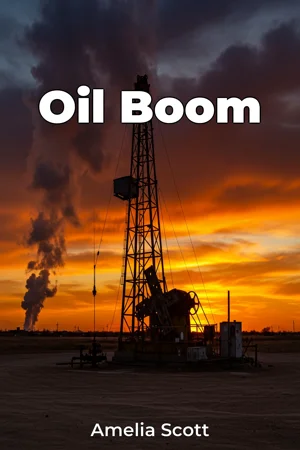
What transformed the United States from a minor player to a dominant force in the global economy, fundamentally reshaping international relations and domestic policy? The answer lies in the explosive rise of its oil industry. "Oil Boom" delves into the multifaceted history of U.S. oil, exploring major discoveries, profound economic shifts, and its enduring role in global energy markets. This exploration is crucial for understanding not only the past century of American history but also the complex energy landscape that shapes our present and future. This book unfolds in three key sections. First, it examines the initial oil discoveries, from Pennsylvania in the mid-19th century to the prolific fields of Texas and California. We analyze how these discoveries, coupled with technological advancements in drilling and refining, fueled the growth of major oil companies and transformed regional economies. The narratives of early oil barons, wildcatters, and the communities that sprang up around boomtowns provide a vivid picture of this transformative era. Second, "Oil Boom" investigates the economic and political impacts of the oil industry’s growth. This section meticulously charts the industry’s influence on U.S. economic policy, including the rise of antitrust legislation in response to monopolistic practices and the development of regulatory frameworks to manage oil production. We also explore the industry’s role in shaping U.S. foreign policy, particularly in the Middle East, demonstrating how access to oil resources became a central tenet of American strategic interests. Third, the book assesses the U.S. oil industry’s position within the global energy market. This involves analyzing the dynamics of oil pricing, the influence of OPEC, and the emergence of new oil-producing regions. We will examine the challenges posed by fluctuating oil prices, geopolitical instability, and growing concerns about climate change, providing a context for understanding the current debates surrounding energy independence and sustainable energy policies. The central argument of "Oil Boom" is that the U.S. oil industry’s trajectory—from its nascent beginnings to its current global stature—has been a driving force in shaping the nation’s economic, political, and social development. This argument is supported by extensive research drawing from primary sources such as company archives, government documents, and personal papers, as well as secondary scholarship in economic history, political science, and energy studies. Quantitative data on oil production, consumption, and pricing will be analyzed to provide empirical support for the book’s claims. "Oil Boom" intersects with several other fields, including environmental studies (examining the environmental consequences of oil extraction and consumption), sociology (exploring the social impacts of boomtowns and the oil industry on communities), and international relations (analyzing the geopolitical implications of U.S. oil policy). This interdisciplinary approach highlights the multifaceted nature of the oil industry’s influence. This book differentiates itself by offering a holistic and integrated analysis of the U.S. oil industry, combining historical narrative with economic analysis and political context. It adopts a balanced perspective, acknowledging both the benefits and drawbacks of oil-driven development. Written in a clear and accessible style, "Oil Boom" is aimed at a broad audience, including students, policymakers, business professionals, and anyone interested in understanding the history and impact of the U.S. oil industry. It provides essential context for understanding current debates surrounding energy policy, climate change, and U.S. foreign policy. While "Oil Boom" focuses primarily on the U.S. oil industry, it acknowledges the interconnectedness of global energy markets and the influence of international actors. The book’s scope is limited to the historical development and economic and political impacts of the oil industry, with less emphasis on the technical aspects of oil production and refining. Ultimately, "Oil Boom" provides readers with a comprehensive understanding of how oil has shaped the United States and its role in the world. By examining the past, it offers insights into the challenges and opportunities facing the nation as it navigates the complexities of the 21st-century energy landscape.
What transformed the United States from a minor player to a dominant force in the global economy, fundamentally reshaping international relations and domestic policy? The answer lies in the explosive rise of its oil industry. "Oil Boom" delves into the multifaceted history of U.S. oil, exploring major discoveries, profound economic shifts, and its enduring role in global energy markets. This exploration is crucial for understanding not only the past century of American history but also the complex energy landscape that shapes our present and future. This book unfolds in three key sections. First, it examines the initial oil discoveries, from Pennsylvania in the mid-19th century to the prolific fields of Texas and California. We analyze how these discoveries, coupled with technological advancements in drilling and refining, fueled the growth of major oil companies and transformed regional economies. The narratives of early oil barons, wildcatters, and the communities that sprang up around boomtowns provide a vivid picture of this transformative era. Second, "Oil Boom" investigates the economic and political impacts of the oil industry’s growth. This section meticulously charts the industry’s influence on U.S. economic policy, including the rise of antitrust legislation in response to monopolistic practices and the development of regulatory frameworks to manage oil production. We also explore the industry’s role in shaping U.S. foreign policy, particularly in the Middle East, demonstrating how access to oil resources became a central tenet of American strategic interests. Third, the book assesses the U.S. oil industry’s position within the global energy market. This involves analyzing the dynamics of oil pricing, the influence of OPEC, and the emergence of new oil-producing regions. We will examine the challenges posed by fluctuating oil prices, geopolitical instability, and growing concerns about climate change, providing a context for understanding the current debates surrounding energy independence and sustainable energy policies. The central argument of "Oil Boom" is that the U.S. oil industry’s trajectory—from its nascent beginnings to its current global stature—has been a driving force in shaping the nation’s economic, political, and social development. This argument is supported by extensive research drawing from primary sources such as company archives, government documents, and personal papers, as well as secondary scholarship in economic history, political science, and energy studies. Quantitative data on oil production, consumption, and pricing will be analyzed to provide empirical support for the book’s claims. "Oil Boom" intersects with several other fields, including environmental studies (examining the environmental consequences of oil extraction and consumption), sociology (exploring the social impacts of boomtowns and the oil industry on communities), and international relations (analyzing the geopolitical implications of U.S. oil policy). This interdisciplinary approach highlights the multifaceted nature of the oil industry’s influence. This book differentiates itself by offering a holistic and integrated analysis of the U.S. oil industry, combining historical narrative with economic analysis and political context. It adopts a balanced perspective, acknowledging both the benefits and drawbacks of oil-driven development. Written in a clear and accessible style, "Oil Boom" is aimed at a broad audience, including students, policymakers, business professionals, and anyone interested in understanding the history and impact of the U.S. oil industry. It provides essential context for understanding current debates surrounding energy policy, climate change, and U.S. foreign policy. While "Oil Boom" focuses primarily on the U.S. oil industry, it acknowledges the interconnectedness of global energy markets and the influence of international actors. The book’s scope is limited to the historical development and economic and political impacts of the oil industry, with less emphasis on the technical aspects of oil production and refining. Ultimately, "Oil Boom" provides readers with a comprehensive understanding of how oil has shaped the United States and its role in the world. By examining the past, it offers insights into the challenges and opportunities facing the nation as it navigates the complexities of the 21st-century energy landscape.
"Oil Boom" explores the profound transformation of the United States into a global economic powerhouse, driven by the explosive growth of its oil industry. Delving into American history, the book examines major discoveries, from Pennsylvania to Texas, highlighting how these finds and advancements in technology propelled the rise of oil companies and reshaped regional economies. It reveals how the pursuit of energy independence and access to petroleum resources significantly influenced U.S. foreign policy, particularly in the Middle East, a region crucial for global energy markets. The book charts the oil industry's impact on U.S. economic policy, including antitrust legislation and regulatory frameworks, while assessing its position within the global energy market, considering the influence of OPEC and new oil-producing regions. "Oil Boom" addresses the challenges posed by fluctuating oil prices, geopolitical instability, and climate change concerns. Through a blend of historical narrative, economic analysis, and political context, the book examines the industry's development, economic and political effects, and the complexities of oil pricing. Unfolding in three sections, the book first examines early oil discoveries, then investigates the economic and political impacts, and finally assesses the U.S. oil industry’s position within the global energy market. By providing a holistic view of the U.S. oil industry, this book offers essential insights into current debates surrounding energy policy, climate change, and U.S. foreign policy, making it valuable for anyone seeking to understand the nation's energy landscape.
Book Details
ISBN
9788235273284
Publisher
Publifye AS
Your Licenses
You don't own any licenses for this book
Purchase a license below to unlock this book and download the EPUB.
Purchase License
Select a tier to unlock this book
Need bulk licensing?
Contact us for enterprise agreements.