
About This Book
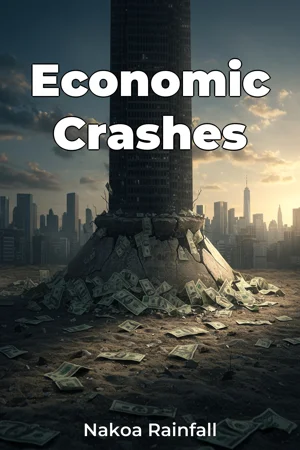
Why do economies boom, and then inevitably bust? This book, *Economic Crashes*, delves into the historical causes and far-reaching consequences of major global economic downturns, examining events from the Great Depression to more recent financial crises. Understanding the anatomy of these collapses is crucial for policymakers, investors, and anyone seeking to navigate the turbulent waters of the global economy. We will explore key interconnected topics: the role of speculative bubbles, the impact of monetary and fiscal policies, and the systemic risks inherent in our interconnected financial systems. This book argues that economic crashes are not simply random occurrences but are, instead, the predictable, if not precisely timed, outcomes of identifiable patterns of behavior, policy decisions, and structural vulnerabilities. We will demonstrate how a combination of excessive optimism, inadequate regulation, and a misunderstanding of complex financial instruments creates the conditions for instability and eventual collapse. Our analysis begins with an overview of fundamental economic principles related to market cycles, asset valuation, and systemic risk. We will explore the historical context of several major economic crises, starting with a detailed examination of the Great Depression, identifying the policy missteps that exacerbated the downturn and the regulatory reforms that followed. Subsequent chapters will analyze the Savings and Loan crisis of the 1980s, the Asian Financial Crisis of 1997-98, the Dot-com bubble and bust of the early 2000s, and the Global Financial Crisis of 2008. Each case study will dissect the specific factors that contributed to the crisis, the policy responses implemented, and the long-term consequences for affected economies. Supporting arguments will be presented through a combination of historical data analysis, econometric modeling, and case studies of specific companies and financial institutions. We will draw upon primary source materials, including government reports, regulatory filings, and contemporary news accounts, as well as insights from leading economists and financial historians. The book integrates perspectives from economic history, financial economics, and political science, highlighting the interplay between economic forces, regulatory frameworks, and political decision-making. This interdisciplinary approach provides a richer and more nuanced understanding of the complex dynamics that drive economic crises. One unique aspect of this book is its focus on the behavioral dimensions of economic crises. We will examine how cognitive biases, herd behavior, and information asymmetry contribute to speculative bubbles and market panics. By understanding these psychological factors, readers can gain a deeper appreciation of the limits of rational economic models and the importance of incorporating behavioral insights into risk management and policymaking. Written in a clear and accessible style, this book is intended for a broad audience, including students of economics and finance, investment professionals, policymakers, and anyone interested in understanding the forces that shape the global economy. The practical implications of our analysis are significant. By identifying the warning signs of impending crises, we can develop more effective strategies for preventing or mitigating their impact. Furthermore, a deeper understanding of the causes and consequences of economic crashes can inform more sound and sustainable economic policies, promoting greater stability and prosperity. Finally, this work will also discuss how each crash is viewed and debated by economic scholars, as many are not agreed upon to be the result of one specific element. Understanding that disagreement is vital to understanding the field of financial history as a whole. The scope of this book is limited to major global economic crises that have had a significant impact on multiple countries or the global financial system. While we will touch upon regional or country-specific crises, our primary focus is on those events that have had systemic consequences.
Why do economies boom, and then inevitably bust? This book, *Economic Crashes*, delves into the historical causes and far-reaching consequences of major global economic downturns, examining events from the Great Depression to more recent financial crises. Understanding the anatomy of these collapses is crucial for policymakers, investors, and anyone seeking to navigate the turbulent waters of the global economy. We will explore key interconnected topics: the role of speculative bubbles, the impact of monetary and fiscal policies, and the systemic risks inherent in our interconnected financial systems. This book argues that economic crashes are not simply random occurrences but are, instead, the predictable, if not precisely timed, outcomes of identifiable patterns of behavior, policy decisions, and structural vulnerabilities. We will demonstrate how a combination of excessive optimism, inadequate regulation, and a misunderstanding of complex financial instruments creates the conditions for instability and eventual collapse. Our analysis begins with an overview of fundamental economic principles related to market cycles, asset valuation, and systemic risk. We will explore the historical context of several major economic crises, starting with a detailed examination of the Great Depression, identifying the policy missteps that exacerbated the downturn and the regulatory reforms that followed. Subsequent chapters will analyze the Savings and Loan crisis of the 1980s, the Asian Financial Crisis of 1997-98, the Dot-com bubble and bust of the early 2000s, and the Global Financial Crisis of 2008. Each case study will dissect the specific factors that contributed to the crisis, the policy responses implemented, and the long-term consequences for affected economies. Supporting arguments will be presented through a combination of historical data analysis, econometric modeling, and case studies of specific companies and financial institutions. We will draw upon primary source materials, including government reports, regulatory filings, and contemporary news accounts, as well as insights from leading economists and financial historians. The book integrates perspectives from economic history, financial economics, and political science, highlighting the interplay between economic forces, regulatory frameworks, and political decision-making. This interdisciplinary approach provides a richer and more nuanced understanding of the complex dynamics that drive economic crises. One unique aspect of this book is its focus on the behavioral dimensions of economic crises. We will examine how cognitive biases, herd behavior, and information asymmetry contribute to speculative bubbles and market panics. By understanding these psychological factors, readers can gain a deeper appreciation of the limits of rational economic models and the importance of incorporating behavioral insights into risk management and policymaking. Written in a clear and accessible style, this book is intended for a broad audience, including students of economics and finance, investment professionals, policymakers, and anyone interested in understanding the forces that shape the global economy. The practical implications of our analysis are significant. By identifying the warning signs of impending crises, we can develop more effective strategies for preventing or mitigating their impact. Furthermore, a deeper understanding of the causes and consequences of economic crashes can inform more sound and sustainable economic policies, promoting greater stability and prosperity. Finally, this work will also discuss how each crash is viewed and debated by economic scholars, as many are not agreed upon to be the result of one specific element. Understanding that disagreement is vital to understanding the field of financial history as a whole. The scope of this book is limited to major global economic crises that have had a significant impact on multiple countries or the global financial system. While we will touch upon regional or country-specific crises, our primary focus is on those events that have had systemic consequences.
"Economic Crashes" explores the recurring phenomenon of economic booms followed by inevitable busts, examining the historical causes and consequences of major global financial crises. It argues that these crashes aren't random events, but rather predictable outcomes of specific behaviors, policies, and vulnerabilities within our financial systems. The book highlights how excessive optimism, inadequate regulation, and misunderstandings of complex financial instruments can create instability. For example, the Great Depression, exacerbated by policy missteps, led to significant regulatory reforms, a pattern echoed in subsequent crises like the Global Financial Crisis of 2008. The book adopts an interdisciplinary approach, integrating economic history, financial economics, and political science to provide a nuanced understanding of these complex events. It begins with fundamental economic principles like market cycles and systemic risk, then progresses through case studies of significant crises. Notably, it delves into the behavioral aspects of economic downturns, exploring how cognitive biases and herd behavior contribute to speculative bubbles and market panics. This focus on psychological factors offers a deeper appreciation of the limits of rational economic models.
Book Details
ISBN
9788235272997
Publisher
Publifye AS
Your Licenses
You don't own any licenses for this book
Purchase a license below to unlock this book and download the EPUB.
Purchase License
Select a tier to unlock this book
Need bulk licensing?
Contact us for enterprise agreements.