
About This Book
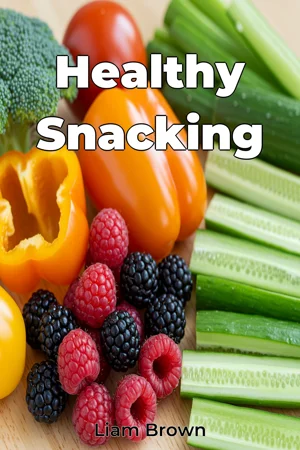
Are you struggling to navigate the world of children's nutrition amidst conflicting advice and confusing food labels? This book, "Healthy Snacking," offers a comprehensive guide to understanding and implementing strategic snacking for children, focusing on nutrient density, sustained energy, and optimal metabolic function. This book addresses three central themes: the crucial role of snacking in children's overall health, the importance of selecting nutrient-dense snack options, and the impact of strategic timing on children's energy levels and cognitive function. These topics are paramount because childhood is a period of rapid growth and development, requiring a consistent supply of essential nutrients. Inadequate or improper snacking habits can lead to energy crashes, difficulty concentrating, and long-term metabolic imbalances. Historically, children’s snacking habits have evolved significantly, from simple whole foods to highly processed convenience items. Societal shifts, such as increased screen time and decreased physical activity, further complicate the landscape. Understanding this context is essential to making informed choices. No prior knowledge is needed to understand the benefits of healthy snacking other than a desire to improve your child's well-being. The central argument of "Healthy Snacking" is that thoughtfully planned, nutrient-rich snacks are not merely supplemental—they are fundamental to supporting children’s physical and cognitive development. By prioritizing whole foods and balanced macronutrient ratios, parents and caregivers can positively influence children's energy levels, focus, and long-term metabolic health. The book is structured in three parts. Part one introduces the core concepts of healthy snacking, defining nutrient density and exploring the physiological impact of different snack types. Part two delves into practical strategies for selecting and preparing nutrient-rich snacks, including detailed guides to understanding food labels and navigating common dietary restrictions and allergies. This section includes recipes and snack ideas categorized by age group and activity level. Part three focuses on the timing and frequency of snacks, providing guidelines for optimizing energy levels and promoting healthy eating habits. It culminates in practical applications: sample meal plans, troubleshooting common snacking challenges, and long-term strategies for fostering a positive relationship with food. The arguments presented in "Healthy Snacking" are supported by a combination of scientific research, nutritional guidelines, and real-world case studies. The data presented is based on peer-reviewed studies in pediatric nutrition and metabolism. The book also draws on insights from registered dietitians and pediatricians to provide practical, evidence-based recommendations. This book connects to several other fields of study, including pediatric medicine, behavioral psychology, and education. Understanding the interplay between nutrition and cognitive function enhances the argument for strategic snacking. Similarly, understanding the psychological factors that influence children's eating habits informs the strategies for promoting healthy choices. The book’s content also links to public health initiatives focused on childhood obesity prevention and promoting healthy lifestyles. "Healthy Snacking" offers a novel approach by focusing on the proactive benefits of nutrient-dense snacks, rather than solely addressing the negative consequences of unhealthy options. It emphasizes the importance of empowering children to make informed choices through education and positive reinforcement. The tone of the book is informative and accessible, designed to be easily understood by parents, caregivers, and educators. The writing style balances scientific accuracy with practical advice, avoiding jargon and using clear, concise language. The target audience includes parents, caregivers, educators, and anyone interested in promoting children's health and well-being. This book is valuable to those seeking evidence-based guidance on navigating the complexities of children's nutrition and fostering healthy eating habits. As a health and fitness book focused on parenting, "Healthy Snacking" integrates elements of both genres. It adheres to the credibility expected of health books by citing research and expert opinions, while also offering practical, actionable advice tailored to parents and caregivers. The scope of the book is limited to snacking strategies for children, focusing primarily on the nutritional aspects of food choices. It does not delve into complex medical conditions or provide individualized dietary recommendations. The information in "Healthy Snacking" can be applied practically by readers to improve their children's overall health, energy levels, and cognitive function. The book provides tools and strategies for creating healthy snacking habits, fostering a positive relationship with food, and promoting long-term well-being. The book addresses the ongoing debates surrounding processed foods and sugar consumption in children's diets. It offers strategies for navigating these challenges and making informed choices that prioritize nutrient density and minimize the intake of unhealthy additives.
Are you struggling to navigate the world of children's nutrition amidst conflicting advice and confusing food labels? This book, "Healthy Snacking," offers a comprehensive guide to understanding and implementing strategic snacking for children, focusing on nutrient density, sustained energy, and optimal metabolic function. This book addresses three central themes: the crucial role of snacking in children's overall health, the importance of selecting nutrient-dense snack options, and the impact of strategic timing on children's energy levels and cognitive function. These topics are paramount because childhood is a period of rapid growth and development, requiring a consistent supply of essential nutrients. Inadequate or improper snacking habits can lead to energy crashes, difficulty concentrating, and long-term metabolic imbalances. Historically, children’s snacking habits have evolved significantly, from simple whole foods to highly processed convenience items. Societal shifts, such as increased screen time and decreased physical activity, further complicate the landscape. Understanding this context is essential to making informed choices. No prior knowledge is needed to understand the benefits of healthy snacking other than a desire to improve your child's well-being. The central argument of "Healthy Snacking" is that thoughtfully planned, nutrient-rich snacks are not merely supplemental—they are fundamental to supporting children’s physical and cognitive development. By prioritizing whole foods and balanced macronutrient ratios, parents and caregivers can positively influence children's energy levels, focus, and long-term metabolic health. The book is structured in three parts. Part one introduces the core concepts of healthy snacking, defining nutrient density and exploring the physiological impact of different snack types. Part two delves into practical strategies for selecting and preparing nutrient-rich snacks, including detailed guides to understanding food labels and navigating common dietary restrictions and allergies. This section includes recipes and snack ideas categorized by age group and activity level. Part three focuses on the timing and frequency of snacks, providing guidelines for optimizing energy levels and promoting healthy eating habits. It culminates in practical applications: sample meal plans, troubleshooting common snacking challenges, and long-term strategies for fostering a positive relationship with food. The arguments presented in "Healthy Snacking" are supported by a combination of scientific research, nutritional guidelines, and real-world case studies. The data presented is based on peer-reviewed studies in pediatric nutrition and metabolism. The book also draws on insights from registered dietitians and pediatricians to provide practical, evidence-based recommendations. This book connects to several other fields of study, including pediatric medicine, behavioral psychology, and education. Understanding the interplay between nutrition and cognitive function enhances the argument for strategic snacking. Similarly, understanding the psychological factors that influence children's eating habits informs the strategies for promoting healthy choices. The book’s content also links to public health initiatives focused on childhood obesity prevention and promoting healthy lifestyles. "Healthy Snacking" offers a novel approach by focusing on the proactive benefits of nutrient-dense snacks, rather than solely addressing the negative consequences of unhealthy options. It emphasizes the importance of empowering children to make informed choices through education and positive reinforcement. The tone of the book is informative and accessible, designed to be easily understood by parents, caregivers, and educators. The writing style balances scientific accuracy with practical advice, avoiding jargon and using clear, concise language. The target audience includes parents, caregivers, educators, and anyone interested in promoting children's health and well-being. This book is valuable to those seeking evidence-based guidance on navigating the complexities of children's nutrition and fostering healthy eating habits. As a health and fitness book focused on parenting, "Healthy Snacking" integrates elements of both genres. It adheres to the credibility expected of health books by citing research and expert opinions, while also offering practical, actionable advice tailored to parents and caregivers. The scope of the book is limited to snacking strategies for children, focusing primarily on the nutritional aspects of food choices. It does not delve into complex medical conditions or provide individualized dietary recommendations. The information in "Healthy Snacking" can be applied practically by readers to improve their children's overall health, energy levels, and cognitive function. The book provides tools and strategies for creating healthy snacking habits, fostering a positive relationship with food, and promoting long-term well-being. The book addresses the ongoing debates surrounding processed foods and sugar consumption in children's diets. It offers strategies for navigating these challenges and making informed choices that prioritize nutrient density and minimize the intake of unhealthy additives.
"Healthy Snacking" serves as a comprehensive guide for parents aiming to navigate children's nutrition, emphasizing strategic snacking for sustained energy and optimal metabolic function. The book highlights the critical role of nutrient-dense snacks in supporting children's rapid growth and development, helping to avoid energy crashes and concentration difficulties. It also reveals how children's snacking habits have evolved from whole foods to processed items, underscoring the need for informed choices in today's world. This book uniquely prioritizes the proactive benefits of nutrient-rich snacks, focusing on empowering children to make informed choices. It's structured into three parts: introducing core concepts, providing practical strategies for snack selection with recipes, and focusing on timing and frequency to optimize energy levels. Supported by scientific research and insights from dietitians, "Healthy Snacking" offers accessible, evidence-based recommendations, progressing from foundational knowledge to practical applications like meal plans and troubleshooting. It offers tools and strategies for creating healthy habits, fostering a positive relationship with food, and promoting long-term well-being, making it valuable for parents, caregivers, and educators seeking to improve children's health.
Book Details
ISBN
9788235272843
Publisher
Publifye AS
Your Licenses
You don't own any licenses for this book
Purchase a license below to unlock this book and download the EPUB.
Purchase License
Select a tier to unlock this book
Need bulk licensing?
Contact us for enterprise agreements.