
About This Book
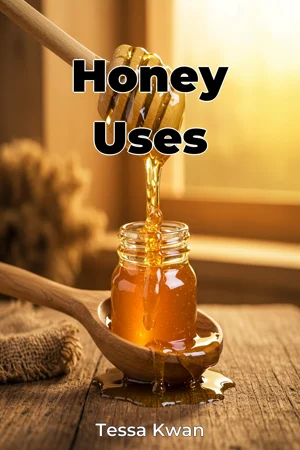
Did you know that honey, beyond its sweet taste, has played a vital role in medicine, trade, and culinary practices throughout history? "Honey Uses" explores the multifaceted significance of honey, from its ancient medicinal applications to its modern culinary uses, revealing its enduring impact on human civilization. This book delves into three primary areas: honey's historical uses in medicine, its importance in ancient trade networks, and its diverse applications in contemporary culinary arts. Understanding these aspects illuminates how a single natural product has shaped human health, economies, and cultures across millennia. Readers will gain insight into the historical context, scientific basis, and practical applications of honey, making it relevant for anyone interested in history, food science, or natural remedies. "Honey Uses" provides a comprehensive overview of honey's journey through time. It begins by examining the earliest recorded uses of honey in ancient civilizations, such as Egypt, Greece, and Rome. The book explores how honey was employed as an antiseptic, wound healer, and ingredient in various medicinal preparations. It then shifts focus to honey's role as a valuable commodity in ancient trade routes, highlighting its economic significance and cultural exchange. Finally, the book culminates in an exploration of honey's modern culinary applications, showcasing its versatility in baking, cooking, and beverage production. The central argument is that honey's enduring presence in human history is not merely due to its sweetness, but rather its unique chemical properties and versatility, which have made it a valuable resource for medicine, trade, and cuisine. This argument is crucial because it challenges the common perception of honey as simply a sweetener, revealing its broader and more profound impact on human society. The book's structure follows a chronological and thematic approach. The introduction establishes the historical context and introduces the main themes. Subsequent sections delve into specific aspects, such as ancient medicinal practices, the economics of honey trade, and modern culinary techniques. The book culminates with a discussion of the scientific research supporting honey's health benefits and its implications for the future of food and medicine. This book draws upon a variety of sources, including historical texts, archaeological findings, scientific studies, and culinary recipes. It incorporates data from ancient medical treatises, trade records, and modern research on honey's chemical composition and biological effects. "Honey Uses" connects to several other fields, including botany (the study of plants and their nectar sources), economics (the analysis of trade and market dynamics), and medicine (the investigation of honey's therapeutic properties). These interdisciplinary connections enhance the book's argument by providing a holistic view of honey's significance. This book offers a unique perspective by integrating historical, scientific, and culinary perspectives into a single narrative. It bridges the gap between ancient wisdom and modern science, revealing the enduring relevance of honey in a rapidly changing world. The book adopts a factual and informative tone, presenting information in a clear and accessible manner. While grounded in scientific and historical research, the writing style is engaging and avoids overly technical jargon. The target audience includes history enthusiasts, culinary professionals, health-conscious individuals, and anyone interested in the cultural and scientific aspects of food. It would be valuable to those seeking a comprehensive understanding of honey's past, present, and potential future. As a work of non-fiction in the history and cooking genres, "Honey Uses" prioritizes accuracy, clarity, and a balanced presentation of information, aligning with the expectations of readers seeking reliable and insightful knowledge. The scope of the book is broad, covering several millennia and multiple cultures. However, it is limited to the uses of honey, excluding other bee products such as beeswax or royal jelly. This intentional limitation allows for a focused and in-depth exploration of honey's multifaceted significance. Readers can apply the information in this book to their own lives by incorporating honey into their diets, using it as a natural remedy for minor ailments, and appreciating its cultural and historical significance. For example, understanding honey's antibacterial properties can inform choices about wound care, while appreciating its role in ancient trade can enhance one's understanding of global history. The book will touch upon controversies, such as debates surrounding the authenticity and quality of honey, as well as the environmental impact of beekeeping practices. By addressing these issues, the book aims to provide a nuanced and informed perspective on the complexities of the honey industry.
Did you know that honey, beyond its sweet taste, has played a vital role in medicine, trade, and culinary practices throughout history? "Honey Uses" explores the multifaceted significance of honey, from its ancient medicinal applications to its modern culinary uses, revealing its enduring impact on human civilization. This book delves into three primary areas: honey's historical uses in medicine, its importance in ancient trade networks, and its diverse applications in contemporary culinary arts. Understanding these aspects illuminates how a single natural product has shaped human health, economies, and cultures across millennia. Readers will gain insight into the historical context, scientific basis, and practical applications of honey, making it relevant for anyone interested in history, food science, or natural remedies. "Honey Uses" provides a comprehensive overview of honey's journey through time. It begins by examining the earliest recorded uses of honey in ancient civilizations, such as Egypt, Greece, and Rome. The book explores how honey was employed as an antiseptic, wound healer, and ingredient in various medicinal preparations. It then shifts focus to honey's role as a valuable commodity in ancient trade routes, highlighting its economic significance and cultural exchange. Finally, the book culminates in an exploration of honey's modern culinary applications, showcasing its versatility in baking, cooking, and beverage production. The central argument is that honey's enduring presence in human history is not merely due to its sweetness, but rather its unique chemical properties and versatility, which have made it a valuable resource for medicine, trade, and cuisine. This argument is crucial because it challenges the common perception of honey as simply a sweetener, revealing its broader and more profound impact on human society. The book's structure follows a chronological and thematic approach. The introduction establishes the historical context and introduces the main themes. Subsequent sections delve into specific aspects, such as ancient medicinal practices, the economics of honey trade, and modern culinary techniques. The book culminates with a discussion of the scientific research supporting honey's health benefits and its implications for the future of food and medicine. This book draws upon a variety of sources, including historical texts, archaeological findings, scientific studies, and culinary recipes. It incorporates data from ancient medical treatises, trade records, and modern research on honey's chemical composition and biological effects. "Honey Uses" connects to several other fields, including botany (the study of plants and their nectar sources), economics (the analysis of trade and market dynamics), and medicine (the investigation of honey's therapeutic properties). These interdisciplinary connections enhance the book's argument by providing a holistic view of honey's significance. This book offers a unique perspective by integrating historical, scientific, and culinary perspectives into a single narrative. It bridges the gap between ancient wisdom and modern science, revealing the enduring relevance of honey in a rapidly changing world. The book adopts a factual and informative tone, presenting information in a clear and accessible manner. While grounded in scientific and historical research, the writing style is engaging and avoids overly technical jargon. The target audience includes history enthusiasts, culinary professionals, health-conscious individuals, and anyone interested in the cultural and scientific aspects of food. It would be valuable to those seeking a comprehensive understanding of honey's past, present, and potential future. As a work of non-fiction in the history and cooking genres, "Honey Uses" prioritizes accuracy, clarity, and a balanced presentation of information, aligning with the expectations of readers seeking reliable and insightful knowledge. The scope of the book is broad, covering several millennia and multiple cultures. However, it is limited to the uses of honey, excluding other bee products such as beeswax or royal jelly. This intentional limitation allows for a focused and in-depth exploration of honey's multifaceted significance. Readers can apply the information in this book to their own lives by incorporating honey into their diets, using it as a natural remedy for minor ailments, and appreciating its cultural and historical significance. For example, understanding honey's antibacterial properties can inform choices about wound care, while appreciating its role in ancient trade can enhance one's understanding of global history. The book will touch upon controversies, such as debates surrounding the authenticity and quality of honey, as well as the environmental impact of beekeeping practices. By addressing these issues, the book aims to provide a nuanced and informed perspective on the complexities of the honey industry.
"Honey Uses" explores the rich history and diverse applications of honey, revealing its significance beyond just a sweetener. The book investigates honey's journey through time, highlighting its crucial role in ancient medicine, trade, and modern cooking. Did you know honey was once used as an antiseptic and wound healer? Or that it played a pivotal role in ancient trade networks, shaping economies and cultures? This book adopts a chronological and thematic approach, starting with honey's earliest uses in civilizations like Egypt, Greece, and Rome. It progresses through honey's economic importance, culminating in its contemporary culinary applications. The book uniquely integrates historical, scientific, and culinary perspectives, bridging ancient wisdom with modern science. "Honey Uses" provides a comprehensive understanding of honey's enduring presence in human history, not just for its sweetness but for its unique properties and versatility. Through historical texts, archaeological findings, and scientific studies, the book showcases honey's multifaceted significance, revealing its impact on human health, economies, and cultures across millennia.
Book Details
ISBN
9788235272799
Publisher
Publifye AS
Your Licenses
You don't own any licenses for this book
Purchase a license below to unlock this book and download the EPUB.
Purchase License
Select a tier to unlock this book
Need bulk licensing?
Contact us for enterprise agreements.