
About This Book
How have technological advancements shaped the very nature of warfare throughout human history? "War Machines" explores the evolution of military technology, from the ancient world to the present day, examining how innovations in weaponry and vehicles have fundamentally altered battle strategies and outcomes. This book delves into the intricate relationship between technology, military tactics, and the broader socio-political landscape, revealing how each has influenced the other in a perpetual cycle of advancement and adaptation. Two central topics drive the narrative: the development of increasingly sophisticated killing and protective technologies, and the corresponding shifts in military doctrine required to effectively utilize these new tools of war. The significance of these topics lies in understanding not only the progression of military technology but also the human cost and strategic implications of each innovation. Examining these technological leaps through a historical lens allows for a deeper understanding of contemporary military challenges and future possibilities. A crucial context for understanding this evolution is the interplay between technological capability and the economic resources required for its development and deployment. Periods of rapid technological advancement often coincide with periods of economic prosperity or intense geopolitical competition, highlighting the resource-intensive nature of military innovation. The central argument of "War Machines" is that technological advancements in warfare are not merely incremental improvements but represent paradigm shifts that necessitate fundamental changes in military strategy and organization. This argument is vital because it underscores the constant need for militaries to adapt and innovate in response to technological change, or risk obsolescence. The book is structured to provide a comprehensive overview of this dynamic process. First, it introduces fundamental concepts of military technology and its impact on warfare. The book then delves into specific periods, beginning with ancient warfare, and traces the evolution of chariots, siege engines, and early naval vessels. The second major section focuses on advancements from the medieval period through the Industrial Revolution, examining the impact of gunpowder, firearms, and early mechanized vehicles. The third section covers the 20th and 21st centuries, addressing the rise of tanks, aircraft, nuclear weapons, and modern electronic warfare. The culmination of the argument analyzes how these innovations have shaped modern military doctrine and the future of warfare. A concluding section explores the ethical and societal implications of increasingly advanced war machines. The book draws upon a wide range of primary and secondary sources, including archaeological evidence, military archives, technical manuals, and historical accounts. It utilizes comparative analysis to highlight the impact of specific technologies across different historical periods and geographical regions. "War Machines" connects to several other fields, including engineering, political science, and economics. Engineering provides the technical understanding of how these machines function; political science explores the strategic implications of their use; and economics reveals the resources required for their development and deployment. These interdisciplinary connections enrich the book's analysis and provide a more holistic understanding of the subject matter. A unique aspect of this book is its focus on the interplay between technological advancements and the human element in warfare. It not only describes the machines themselves but also analyzes how soldiers and commanders have adapted to their use, highlighting the human ingenuity and resilience that have shaped the battlefield. The book employs a balanced and objective writing style, presenting information in a clear and accessible manner while maintaining scholarly rigor. It avoids excessive technical jargon and focuses on explaining complex concepts in a way that is understandable to a broad audience. The intended audience includes military history enthusiasts, students of technology and warfare, and anyone interested in understanding the evolution of modern military power. The book provides valuable insights into the forces that have shaped conflict throughout history and continue to influence the world today. As a work of military history, the book adheres to the genre's conventions of providing detailed accounts of battles and campaigns, analyzing the performance of military leaders, and assessing the impact of technology on warfare. However, it also goes beyond traditional military history by exploring the broader social, economic, and political contexts in which these developments occurred. The scope of the book is limited to the technological aspects of warfare, with less emphasis on the social or cultural consequences of conflict. While it acknowledges the ethical implications of military technology, its primary focus is on the machines themselves and their impact on battle strategies. The information in "War Machines" has practical applications for military professionals, policymakers, and anyone seeking to understand the future of warfare. It provides a framework for analyzing the impact of new technologies on military capabilities and the challenges of adapting to a rapidly changing security environment. The book addresses ongoing debates about the role of technology in warfare, including the potential for autonomous weapons systems and the implications of cyber warfare. It provides a balanced and nuanced perspective on these complex issues, encouraging readers to think critically about the future of conflict.
How have technological advancements shaped the very nature of warfare throughout human history? "War Machines" explores the evolution of military technology, from the ancient world to the present day, examining how innovations in weaponry and vehicles have fundamentally altered battle strategies and outcomes. This book delves into the intricate relationship between technology, military tactics, and the broader socio-political landscape, revealing how each has influenced the other in a perpetual cycle of advancement and adaptation. Two central topics drive the narrative: the development of increasingly sophisticated killing and protective technologies, and the corresponding shifts in military doctrine required to effectively utilize these new tools of war. The significance of these topics lies in understanding not only the progression of military technology but also the human cost and strategic implications of each innovation. Examining these technological leaps through a historical lens allows for a deeper understanding of contemporary military challenges and future possibilities. A crucial context for understanding this evolution is the interplay between technological capability and the economic resources required for its development and deployment. Periods of rapid technological advancement often coincide with periods of economic prosperity or intense geopolitical competition, highlighting the resource-intensive nature of military innovation. The central argument of "War Machines" is that technological advancements in warfare are not merely incremental improvements but represent paradigm shifts that necessitate fundamental changes in military strategy and organization. This argument is vital because it underscores the constant need for militaries to adapt and innovate in response to technological change, or risk obsolescence. The book is structured to provide a comprehensive overview of this dynamic process. First, it introduces fundamental concepts of military technology and its impact on warfare. The book then delves into specific periods, beginning with ancient warfare, and traces the evolution of chariots, siege engines, and early naval vessels. The second major section focuses on advancements from the medieval period through the Industrial Revolution, examining the impact of gunpowder, firearms, and early mechanized vehicles. The third section covers the 20th and 21st centuries, addressing the rise of tanks, aircraft, nuclear weapons, and modern electronic warfare. The culmination of the argument analyzes how these innovations have shaped modern military doctrine and the future of warfare. A concluding section explores the ethical and societal implications of increasingly advanced war machines. The book draws upon a wide range of primary and secondary sources, including archaeological evidence, military archives, technical manuals, and historical accounts. It utilizes comparative analysis to highlight the impact of specific technologies across different historical periods and geographical regions. "War Machines" connects to several other fields, including engineering, political science, and economics. Engineering provides the technical understanding of how these machines function; political science explores the strategic implications of their use; and economics reveals the resources required for their development and deployment. These interdisciplinary connections enrich the book's analysis and provide a more holistic understanding of the subject matter. A unique aspect of this book is its focus on the interplay between technological advancements and the human element in warfare. It not only describes the machines themselves but also analyzes how soldiers and commanders have adapted to their use, highlighting the human ingenuity and resilience that have shaped the battlefield. The book employs a balanced and objective writing style, presenting information in a clear and accessible manner while maintaining scholarly rigor. It avoids excessive technical jargon and focuses on explaining complex concepts in a way that is understandable to a broad audience. The intended audience includes military history enthusiasts, students of technology and warfare, and anyone interested in understanding the evolution of modern military power. The book provides valuable insights into the forces that have shaped conflict throughout history and continue to influence the world today. As a work of military history, the book adheres to the genre's conventions of providing detailed accounts of battles and campaigns, analyzing the performance of military leaders, and assessing the impact of technology on warfare. However, it also goes beyond traditional military history by exploring the broader social, economic, and political contexts in which these developments occurred. The scope of the book is limited to the technological aspects of warfare, with less emphasis on the social or cultural consequences of conflict. While it acknowledges the ethical implications of military technology, its primary focus is on the machines themselves and their impact on battle strategies. The information in "War Machines" has practical applications for military professionals, policymakers, and anyone seeking to understand the future of warfare. It provides a framework for analyzing the impact of new technologies on military capabilities and the challenges of adapting to a rapidly changing security environment. The book addresses ongoing debates about the role of technology in warfare, including the potential for autonomous weapons systems and the implications of cyber warfare. It provides a balanced and nuanced perspective on these complex issues, encouraging readers to think critically about the future of conflict.
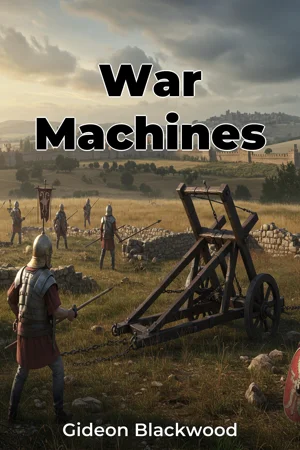
"War Machines" explores the evolution of military technology and its profound impact on warfare throughout history. From ancient chariots to modern drones, the book examines how innovations in weaponry and military vehicles have reshaped battle strategies and outcomes. Readers will gain insights into the intricate relationship between technological advancements, military tactics, and socio-political landscapes. For instance, the development of gunpowder and firearms revolutionized medieval warfare, leading to new forms of military organization and battlefield tactics; similarly, the advent of tanks and aircraft in the 20th century fundamentally altered the nature of ground and air combat. The book uniquely emphasizes the interplay between technological advancements and the human element, analyzing how soldiers and commanders adapt to new tools of war. It progresses chronologically, starting with ancient warfare and moving through the medieval period, the Industrial Revolution, and finally, the 20th and 21st centuries. By drawing upon a wide range of primary and secondary sources, "War Machines" highlights how military doctrine continuously evolves in response to new technologies, making it a valuable resource for military history enthusiasts and anyone interested in understanding the future of conflict. The book's approach allows for a deeper understanding of military history and contemporary military challenges.
Book Details
ISBN
9788235272492
Publisher
Publifye AS
Your Licenses
You don't own any licenses for this book
Purchase a license below to unlock this book and download the EPUB.
Purchase License
Select a tier to unlock this book
Need bulk licensing?
Contact us for enterprise agreements.