
About This Book
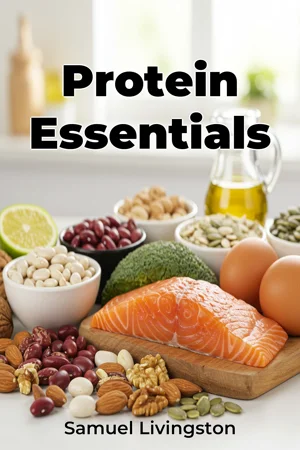
Are you truly maximizing the power of protein in your diet? This book, "Protein Essentials," delves into the multifaceted role of protein, not just as a building block for muscle, but as a critical component influencing overall health, metabolism, and well-being. We address a fundamental question: how can a deeper understanding of protein sources, types, and utilization lead to optimized health outcomes? This book explores three key areas. First, we examine the essential nature of protein as a macronutrient, detailing its indispensable functions within the human body, from enzyme production to immune system support. Second, we provide a comprehensive guide to protein sources, evaluating both animal-based and plant-based options, considering their amino acid profiles, digestibility, and environmental impact. Finally, we investigate the complex relationship between protein intake, muscle protein synthesis, and metabolic regulation, clarifying how different protein types and timing strategies can affect individual results. Understanding protein's significance requires acknowledging its evolutionary context. From our earliest ancestors relying on hunted protein to the modern era of readily available, processed protein sources, our dietary landscape has dramatically shifted. This shift necessitates a critical evaluation of optimal protein consumption strategies for contemporary lifestyles. No prior in-depth knowledge of biochemistry or nutrition is required; we present the science clearly and accessibly. The central argument of "Protein Essentials" is that a nuanced understanding of protein – beyond simple quantity – is crucial for achieving optimal health, fitness, and metabolic function. We advocate for a personalized approach to protein intake, tailored to individual needs, activity levels, and health goals. This argument is important because, despite widespread awareness of protein's importance, misinformation and oversimplified recommendations often prevail, hindering individuals from realizing its full potential. The book begins by laying the groundwork, explaining the basic chemistry of proteins, amino acids, and their roles in biological processes. Then, we move into an exploration of diverse protein sources, comparing and contrasting their nutritional profiles and considering ethical and environmental implications. Next, we focus on the dynamic interplay between protein consumption, muscle growth, and metabolic rate, dissecting the scientific evidence behind various protein timing and supplementation strategies. The culmination of the book provides practical guidance on calculating individual protein needs, designing balanced meal plans, and optimizing protein intake for specific fitness and health objectives. We support our arguments with evidence-based research drawn from peer-reviewed scientific studies, meta-analyses, and expert consensus statements. We also incorporate data from large-scale epidemiological studies to illustrate the long-term health effects of different protein intake patterns. A novel aspect of our data presentation involves synthesizing information from both human clinical trials and animal models, carefully highlighting the relevance and limitations of each. "Protein Essentials" connects to several interdisciplinary fields. We draw upon biochemistry to explain the molecular mechanisms of protein synthesis and metabolism. We also incorporate principles of exercise physiology to understand how protein intake supports muscle adaptation and recovery. Finally, we address aspects of environmental science in our evaluation of sustainable protein sources. These connections enhance the book's argument by providing a holistic perspective on protein's role in health and sustainability. Our approach is unique in its emphasis on personalized protein strategies. Rather than promoting a one-size-fits-all recommendation, we empower readers to make informed decisions based on their individual needs and goals. We also offer a balanced perspective on the ongoing debates surrounding protein intake, considering both the potential benefits and risks of high-protein diets. The tone of the book is educational and informative, aiming to translate complex scientific concepts into accessible language for a general audience. We maintain a fact-based and objective approach, avoiding sensationalism or unsubstantiated claims. The target audience includes health-conscious individuals, fitness enthusiasts, athletes, and healthcare professionals seeking a comprehensive and evidence-based guide to protein nutrition. This book would be valuable to them by providing the knowledge and tools to optimize their protein intake for improved health, performance, and well-being. As a non-fiction book in the health and fitness genre, "Protein Essentials" adheres to the conventions of providing accurate, evidence-based information, supported by credible sources and presented in a clear and organized manner. The scope of the book is intentionally broad, covering all major aspects of protein nutrition, from basic science to practical applications. However, we limit our focus to human health and performance, excluding topics such as animal nutrition or industrial protein production. Readers can apply the information in this book to make informed dietary choices, optimize their training regimens, manage their weight, and reduce their risk of chronic diseases. The book provides practical tools, such as meal planning templates and protein intake calculators, to facilitate real-world application. We address ongoing debates surrounding optimal protein intake for different populations, including athletes, older adults, and individuals with specific health conditions. We present both sides of these debates, highlighting the strengths and limitations of the available evidence.
Are you truly maximizing the power of protein in your diet? This book, "Protein Essentials," delves into the multifaceted role of protein, not just as a building block for muscle, but as a critical component influencing overall health, metabolism, and well-being. We address a fundamental question: how can a deeper understanding of protein sources, types, and utilization lead to optimized health outcomes? This book explores three key areas. First, we examine the essential nature of protein as a macronutrient, detailing its indispensable functions within the human body, from enzyme production to immune system support. Second, we provide a comprehensive guide to protein sources, evaluating both animal-based and plant-based options, considering their amino acid profiles, digestibility, and environmental impact. Finally, we investigate the complex relationship between protein intake, muscle protein synthesis, and metabolic regulation, clarifying how different protein types and timing strategies can affect individual results. Understanding protein's significance requires acknowledging its evolutionary context. From our earliest ancestors relying on hunted protein to the modern era of readily available, processed protein sources, our dietary landscape has dramatically shifted. This shift necessitates a critical evaluation of optimal protein consumption strategies for contemporary lifestyles. No prior in-depth knowledge of biochemistry or nutrition is required; we present the science clearly and accessibly. The central argument of "Protein Essentials" is that a nuanced understanding of protein – beyond simple quantity – is crucial for achieving optimal health, fitness, and metabolic function. We advocate for a personalized approach to protein intake, tailored to individual needs, activity levels, and health goals. This argument is important because, despite widespread awareness of protein's importance, misinformation and oversimplified recommendations often prevail, hindering individuals from realizing its full potential. The book begins by laying the groundwork, explaining the basic chemistry of proteins, amino acids, and their roles in biological processes. Then, we move into an exploration of diverse protein sources, comparing and contrasting their nutritional profiles and considering ethical and environmental implications. Next, we focus on the dynamic interplay between protein consumption, muscle growth, and metabolic rate, dissecting the scientific evidence behind various protein timing and supplementation strategies. The culmination of the book provides practical guidance on calculating individual protein needs, designing balanced meal plans, and optimizing protein intake for specific fitness and health objectives. We support our arguments with evidence-based research drawn from peer-reviewed scientific studies, meta-analyses, and expert consensus statements. We also incorporate data from large-scale epidemiological studies to illustrate the long-term health effects of different protein intake patterns. A novel aspect of our data presentation involves synthesizing information from both human clinical trials and animal models, carefully highlighting the relevance and limitations of each. "Protein Essentials" connects to several interdisciplinary fields. We draw upon biochemistry to explain the molecular mechanisms of protein synthesis and metabolism. We also incorporate principles of exercise physiology to understand how protein intake supports muscle adaptation and recovery. Finally, we address aspects of environmental science in our evaluation of sustainable protein sources. These connections enhance the book's argument by providing a holistic perspective on protein's role in health and sustainability. Our approach is unique in its emphasis on personalized protein strategies. Rather than promoting a one-size-fits-all recommendation, we empower readers to make informed decisions based on their individual needs and goals. We also offer a balanced perspective on the ongoing debates surrounding protein intake, considering both the potential benefits and risks of high-protein diets. The tone of the book is educational and informative, aiming to translate complex scientific concepts into accessible language for a general audience. We maintain a fact-based and objective approach, avoiding sensationalism or unsubstantiated claims. The target audience includes health-conscious individuals, fitness enthusiasts, athletes, and healthcare professionals seeking a comprehensive and evidence-based guide to protein nutrition. This book would be valuable to them by providing the knowledge and tools to optimize their protein intake for improved health, performance, and well-being. As a non-fiction book in the health and fitness genre, "Protein Essentials" adheres to the conventions of providing accurate, evidence-based information, supported by credible sources and presented in a clear and organized manner. The scope of the book is intentionally broad, covering all major aspects of protein nutrition, from basic science to practical applications. However, we limit our focus to human health and performance, excluding topics such as animal nutrition or industrial protein production. Readers can apply the information in this book to make informed dietary choices, optimize their training regimens, manage their weight, and reduce their risk of chronic diseases. The book provides practical tools, such as meal planning templates and protein intake calculators, to facilitate real-world application. We address ongoing debates surrounding optimal protein intake for different populations, including athletes, older adults, and individuals with specific health conditions. We present both sides of these debates, highlighting the strengths and limitations of the available evidence.
"Protein Essentials" explores the critical role of protein, going beyond muscle building to encompass overall health, metabolism, and well-being. It answers the question of how a deeper understanding of protein sources and utilization can lead to optimized health outcomes. The book emphasizes that protein is not just a macronutrient, but a key player in enzyme production and immune system support. Did you know that our dietary landscape has shifted dramatically from our hunter-gatherer ancestors, necessitating a critical evaluation of optimal protein consumption strategies for contemporary lifestyles, or that different protein types and timing strategies can affect individual results? The book uniquely advocates for a personalized approach to protein intake, tailored to individual needs, activity levels, and health goals. It begins with the chemistry of proteins and amino acids, then explores diverse protein sources and the interplay between protein consumption, muscle growth, and metabolic rate. It progresses to provide practical guidance on calculating individual protein needs and designing balanced meal plans.
Book Details
ISBN
9788235272423
Publisher
Publifye AS
Your Licenses
You don't own any licenses for this book
Purchase a license below to unlock this book and download the EPUB.
Purchase License
Select a tier to unlock this book
Need bulk licensing?
Contact us for enterprise agreements.