
About This Book
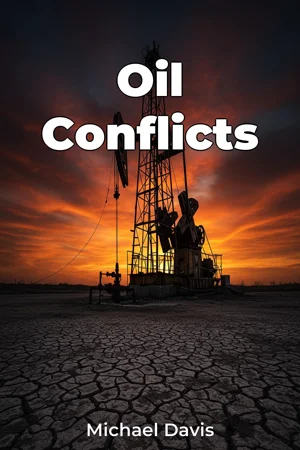
Is the history of the Americas inextricably linked to the black liquid that fuels the modern world? "Oil Conflicts" delves into the tumultuous history of oil-related conflicts across the American continents, exposing the intricate web of economic struggles, foreign interventions, and political instability that have shaped the region. This book argues that access to and control over oil resources have been a primary driver of conflict and political upheaval in the Americas for over a century, with lasting consequences that continue to resonate today. The book's core lies in three significant themes: the economic battles for resource control, the pervasive influence of external powers seeking to secure their own energy interests, and the resulting political instability that has plagued many oil-rich nations. Understanding these themes is crucial for comprehending the historical trajectory of resource-rich nations in the Americas and the global power dynamics that continue to affect them. To understand the conflicts, the book provides vital historical context, from the rise of the oil industry in the late 19th and early 20th centuries to the nationalization movements of the mid-20th century and the subsequent rise of neoliberal policies. Readers will gain an understanding of basic geological principles concerning oil formation and extraction, as well as a grounding in the economic theories that underpin resource exploitation and international trade. "Oil Conflicts" unfolds chronologically and thematically. First, it examines the initial discovery and exploitation of oil resources in countries like Mexico, Venezuela, and Colombia, highlighting the early involvement of foreign companies and the nascent struggles for national control. Second, it analyzes the period of nationalizations and the rise of state-owned oil companies, exploring the political and economic motivations behind these actions and the reactions they provoked from international actors. Third, the book investigates the era of neoliberal reforms and privatization, assessing their impact on oil-producing nations and the rise of new forms of conflict, including social unrest and environmental degradation. Finally, it analyzes the contemporary landscape, dominated by complex geopolitical considerations and the challenges of climate change. The arguments presented are supported by a diverse range of evidence, including archival documents, government reports, corporate records, academic studies, and journalistic accounts. This research draws from primary sources in both English and Spanish, providing a comprehensive and nuanced perspective on the history of oil-related conflicts in the Americas. The book also connects to broader fields, such as international relations, environmental studies, and development economics. By examining the role of oil in shaping international alliances and rivalries, it contributes to a deeper understanding of geopolitical power dynamics. It also explores the environmental consequences of oil extraction and consumption, highlighting the challenges of sustainable development in resource-rich nations. Additionally, it delves into developmental economics, analyzing how oil wealth has affected inequality, governance, and economic diversification in the Americas. "Oil Conflicts" offers a unique perspective by situating local conflicts within the context of global power struggles and by examining the intersection of economic, political, and environmental factors. It challenges conventional narratives that often frame oil-related conflicts as solely driven by economic interests, revealing the complex interplay of social, cultural, and political forces. The book adopts a rigorous but accessible tone, appealing to scholars, students, policymakers, and general readers interested in the history of the Americas, energy politics, and international relations. It provides a valuable resource for understanding the complex challenges facing oil-producing nations and the ongoing debates surrounding energy security, resource governance, and sustainable development. The scope of "Oil Conflicts" is limited to the American continents, focusing primarily on countries with significant oil reserves and histories of oil-related conflict. While it acknowledges the global context of these conflicts, it does not delve into the details of oil politics in other regions. The book does engage with debates surrounding peak oil, climate change, and energy transitions but maintains its focus on historical analysis. The lessons from "Oil Conflicts" can be applied to contemporary challenges. Policymakers can use the book's insights to design more effective strategies for resource governance and conflict prevention. Academics can draw on its research to further explore the complex relationship between oil, politics, and development. And general readers can gain a deeper understanding of the forces shaping the world we live in and the challenges we face in building a more sustainable and equitable future.
Is the history of the Americas inextricably linked to the black liquid that fuels the modern world? "Oil Conflicts" delves into the tumultuous history of oil-related conflicts across the American continents, exposing the intricate web of economic struggles, foreign interventions, and political instability that have shaped the region. This book argues that access to and control over oil resources have been a primary driver of conflict and political upheaval in the Americas for over a century, with lasting consequences that continue to resonate today. The book's core lies in three significant themes: the economic battles for resource control, the pervasive influence of external powers seeking to secure their own energy interests, and the resulting political instability that has plagued many oil-rich nations. Understanding these themes is crucial for comprehending the historical trajectory of resource-rich nations in the Americas and the global power dynamics that continue to affect them. To understand the conflicts, the book provides vital historical context, from the rise of the oil industry in the late 19th and early 20th centuries to the nationalization movements of the mid-20th century and the subsequent rise of neoliberal policies. Readers will gain an understanding of basic geological principles concerning oil formation and extraction, as well as a grounding in the economic theories that underpin resource exploitation and international trade. "Oil Conflicts" unfolds chronologically and thematically. First, it examines the initial discovery and exploitation of oil resources in countries like Mexico, Venezuela, and Colombia, highlighting the early involvement of foreign companies and the nascent struggles for national control. Second, it analyzes the period of nationalizations and the rise of state-owned oil companies, exploring the political and economic motivations behind these actions and the reactions they provoked from international actors. Third, the book investigates the era of neoliberal reforms and privatization, assessing their impact on oil-producing nations and the rise of new forms of conflict, including social unrest and environmental degradation. Finally, it analyzes the contemporary landscape, dominated by complex geopolitical considerations and the challenges of climate change. The arguments presented are supported by a diverse range of evidence, including archival documents, government reports, corporate records, academic studies, and journalistic accounts. This research draws from primary sources in both English and Spanish, providing a comprehensive and nuanced perspective on the history of oil-related conflicts in the Americas. The book also connects to broader fields, such as international relations, environmental studies, and development economics. By examining the role of oil in shaping international alliances and rivalries, it contributes to a deeper understanding of geopolitical power dynamics. It also explores the environmental consequences of oil extraction and consumption, highlighting the challenges of sustainable development in resource-rich nations. Additionally, it delves into developmental economics, analyzing how oil wealth has affected inequality, governance, and economic diversification in the Americas. "Oil Conflicts" offers a unique perspective by situating local conflicts within the context of global power struggles and by examining the intersection of economic, political, and environmental factors. It challenges conventional narratives that often frame oil-related conflicts as solely driven by economic interests, revealing the complex interplay of social, cultural, and political forces. The book adopts a rigorous but accessible tone, appealing to scholars, students, policymakers, and general readers interested in the history of the Americas, energy politics, and international relations. It provides a valuable resource for understanding the complex challenges facing oil-producing nations and the ongoing debates surrounding energy security, resource governance, and sustainable development. The scope of "Oil Conflicts" is limited to the American continents, focusing primarily on countries with significant oil reserves and histories of oil-related conflict. While it acknowledges the global context of these conflicts, it does not delve into the details of oil politics in other regions. The book does engage with debates surrounding peak oil, climate change, and energy transitions but maintains its focus on historical analysis. The lessons from "Oil Conflicts" can be applied to contemporary challenges. Policymakers can use the book's insights to design more effective strategies for resource governance and conflict prevention. Academics can draw on its research to further explore the complex relationship between oil, politics, and development. And general readers can gain a deeper understanding of the forces shaping the world we live in and the challenges we face in building a more sustainable and equitable future.
"Oil Conflicts" examines how the pursuit and control of oil resources have fueled conflict and shaped political landscapes across the Americas. It reveals the deep connections between economic struggles, foreign intervention, and political instability tied to this crucial commodity. The book provides historical context, tracing the evolution from the rise of the oil industry through nationalization movements to neoliberal reforms, and analyzes the ongoing impact on resource-rich nations. The book dives into the economic battles for resource control, highlighting the pervasive influence of external powers seeking to secure their energy interests. One intriguing aspect is how nationalization movements, intended to reclaim sovereignty over resources, often provoked strong reactions from international actors. The book unfolds chronologically and thematically, analyzing early exploitation, the era of nationalizations, and the consequences of neoliberal reforms, offering a nuanced perspective on the history of oil-related conflicts in the Americas. "Oil Conflicts" offers a unique perspective by situating local conflicts within the context of global power struggles and by examining the intersection of economic, political, and environmental factors. Supported by diverse evidence, it challenges conventional narratives, revealing the complex interplay of social, cultural, and political forces. Ultimately, the book provides valuable insights into the challenges facing oil-producing nations and the debates surrounding energy security and sustainable development.
Book Details
ISBN
9788235272348
Publisher
Publifye AS
Your Licenses
You don't own any licenses for this book
Purchase a license below to unlock this book and download the EPUB.
Purchase License
Select a tier to unlock this book
Need bulk licensing?
Contact us for enterprise agreements.