
About This Book
How did the mastery of iron reshape the trajectory of numerous African societies? "Iron Age" delves into the transformative impact of ironworking technology on the African continent, revealing how its adoption spurred profound changes in agriculture, warfare, social structures, and trade networks. This book focuses on the technological innovation that propelled significant cultural shifts. We will explore three central themes: the dissemination of ironworking technology across Africa, the societal transformations it triggered within various communities, and the lasting legacy of the Iron Age on the continent's subsequent development. These topics are crucial for understanding the complex interplay between technological advancement and societal evolution in a region often overlooked in global narratives of technological innovation. To fully grasp the significance of the African Iron Age, it's important to understand pre-existing social structures, agricultural practices, and trade routes. Prior to iron, African societies relied on stone, wood, and bone tools, which limited their capacity for large-scale agriculture and resource exploitation. The introduction of iron dramatically changed this dynamic. The central argument of "Iron Age" is that the independent or adapted adoption of ironworking in Africa was not merely a technological upgrade but a catalyst for significant societal restructuring and economic expansion that laid the foundation for many of the continent's subsequent historical trajectories. This book underscores the agency of African societies in harnessing and adapting new technologies to meet their specific needs and challenges. The book is structured to guide the reader through a clear and compelling narrative. First, it examines the origins and spread of ironworking in Africa, exploring the different theories surrounding its introduction and adaptation. Second, it delves into the specific ways in which iron tools and weapons transformed agriculture, warfare, and trade in diverse African contexts. Chapters will examine case studies from West Africa, Central Africa, and Southern Africa, highlighting both the commonalities and the unique regional variations in the adoption and impact of iron technology. Third, the book will analyze the social and political consequences of iron production, examining the emergence of new social hierarchies, the rise of centralized states, and the changing dynamics. Finally, the book culminates by exploring the long-term legacy of the Iron Age, examining its lasting impact on African cultures, economies, and political systems. "Iron Age" draws upon a wide range of evidence, including archaeological findings, linguistic analysis, and oral traditions. It incorporates recent archaeological discoveries that shed new light on the chronology and patterns of ironworking in Africa. By synthesizing diverse sources, it offers a comprehensive and nuanced account of this transformative period. This book bridges several disciplines, including archaeology, history, anthropology, and metallurgy. By integrating insights from these fields, it provides a holistic understanding of the African Iron Age. The book also connects to broader studies of technological innovation and societal change. "Iron Age" offers a fresh perspective by focusing on the agency of African societies in adapting and innovating ironworking technologies. It challenges Eurocentric narratives of technological development by showcasing the independent achievements of African communities. Written in clear and accessible prose, "Iron Age" is intended for a broad audience, including students, scholars, and general readers interested in African history, technological innovation, and societal change. It will be valuable for anyone seeking a deeper understanding of the African past. As a work of historical synthesis, "Iron Age" adheres to the conventions of academic rigor and factual accuracy. It presents a balanced and objective account of the available evidence, while also acknowledging areas of uncertainty and ongoing debate. The scope of "Iron Age" encompasses the period from approximately 1000 BCE to 1500 CE, covering a vast geographical area. While it strives for comprehensiveness, it acknowledges the limitations inherent in reconstructing the past from incomplete evidence. The lessons from "Iron Age" have practical applications for understanding contemporary challenges related to technological development, economic inequality, and cultural change. By examining how African societies adapted to technological innovations in the past, we can gain insights into how societies can navigate similar challenges today. The book engages with ongoing debates about the origins and spread of ironworking in Africa, addressing conflicting interpretations of archaeological evidence and linguistic data. It also explores the ethical implications of studying and interpreting the past.
How did the mastery of iron reshape the trajectory of numerous African societies? "Iron Age" delves into the transformative impact of ironworking technology on the African continent, revealing how its adoption spurred profound changes in agriculture, warfare, social structures, and trade networks. This book focuses on the technological innovation that propelled significant cultural shifts. We will explore three central themes: the dissemination of ironworking technology across Africa, the societal transformations it triggered within various communities, and the lasting legacy of the Iron Age on the continent's subsequent development. These topics are crucial for understanding the complex interplay between technological advancement and societal evolution in a region often overlooked in global narratives of technological innovation. To fully grasp the significance of the African Iron Age, it's important to understand pre-existing social structures, agricultural practices, and trade routes. Prior to iron, African societies relied on stone, wood, and bone tools, which limited their capacity for large-scale agriculture and resource exploitation. The introduction of iron dramatically changed this dynamic. The central argument of "Iron Age" is that the independent or adapted adoption of ironworking in Africa was not merely a technological upgrade but a catalyst for significant societal restructuring and economic expansion that laid the foundation for many of the continent's subsequent historical trajectories. This book underscores the agency of African societies in harnessing and adapting new technologies to meet their specific needs and challenges. The book is structured to guide the reader through a clear and compelling narrative. First, it examines the origins and spread of ironworking in Africa, exploring the different theories surrounding its introduction and adaptation. Second, it delves into the specific ways in which iron tools and weapons transformed agriculture, warfare, and trade in diverse African contexts. Chapters will examine case studies from West Africa, Central Africa, and Southern Africa, highlighting both the commonalities and the unique regional variations in the adoption and impact of iron technology. Third, the book will analyze the social and political consequences of iron production, examining the emergence of new social hierarchies, the rise of centralized states, and the changing dynamics. Finally, the book culminates by exploring the long-term legacy of the Iron Age, examining its lasting impact on African cultures, economies, and political systems. "Iron Age" draws upon a wide range of evidence, including archaeological findings, linguistic analysis, and oral traditions. It incorporates recent archaeological discoveries that shed new light on the chronology and patterns of ironworking in Africa. By synthesizing diverse sources, it offers a comprehensive and nuanced account of this transformative period. This book bridges several disciplines, including archaeology, history, anthropology, and metallurgy. By integrating insights from these fields, it provides a holistic understanding of the African Iron Age. The book also connects to broader studies of technological innovation and societal change. "Iron Age" offers a fresh perspective by focusing on the agency of African societies in adapting and innovating ironworking technologies. It challenges Eurocentric narratives of technological development by showcasing the independent achievements of African communities. Written in clear and accessible prose, "Iron Age" is intended for a broad audience, including students, scholars, and general readers interested in African history, technological innovation, and societal change. It will be valuable for anyone seeking a deeper understanding of the African past. As a work of historical synthesis, "Iron Age" adheres to the conventions of academic rigor and factual accuracy. It presents a balanced and objective account of the available evidence, while also acknowledging areas of uncertainty and ongoing debate. The scope of "Iron Age" encompasses the period from approximately 1000 BCE to 1500 CE, covering a vast geographical area. While it strives for comprehensiveness, it acknowledges the limitations inherent in reconstructing the past from incomplete evidence. The lessons from "Iron Age" have practical applications for understanding contemporary challenges related to technological development, economic inequality, and cultural change. By examining how African societies adapted to technological innovations in the past, we can gain insights into how societies can navigate similar challenges today. The book engages with ongoing debates about the origins and spread of ironworking in Africa, addressing conflicting interpretations of archaeological evidence and linguistic data. It also explores the ethical implications of studying and interpreting the past.
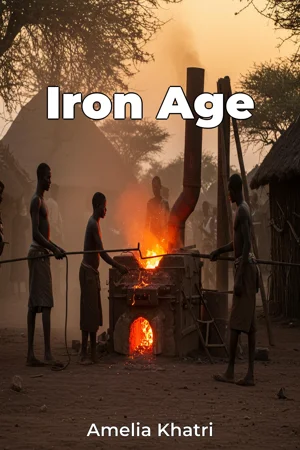
"Iron Age" explores the profound impact of ironworking on African societies, revealing how this technological innovation spurred transformations in agriculture, warfare, and social structures. Prior to iron, communities relied on stone, wood, and bone tools, limiting their capacity for growth. The adoption of ironworking led to more than just new tools; it acted as a catalyst for societal restructuring and economic expansion. The book argues that African societies demonstrated agency in adapting ironworking to their specific needs, challenging Eurocentric views of technological development. Drawing on archaeological findings, linguistic analysis, and oral traditions, the book examines the dissemination of ironworking across Africa and its lasting legacy. Chapters progress from the origins and spread of iron technology to its impact on agriculture, warfare, and trade, with case studies highlighting regional variations. "Iron Age" offers significant value by providing a comprehensive, accessible account of this transformative period. It synthesizes diverse sources to present a nuanced understanding of the African Iron Age, shedding light on the complex interplay between technological advancement and societal evolution.
Book Details
ISBN
9788235272249
Publisher
Publifye AS
Your Licenses
You don't own any licenses for this book
Purchase a license below to unlock this book and download the EPUB.
Purchase License
Select a tier to unlock this book
Need bulk licensing?
Contact us for enterprise agreements.