
About This Book
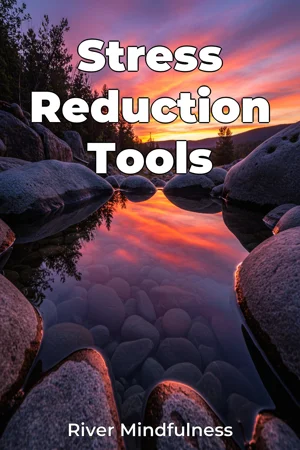
Are you feeling overwhelmed by the relentless pressures of modern life? "Stress Reduction Tools" offers a comprehensive, evidence-based guide to understanding and managing stress through a synthesis of psychological and physiological techniques. This book aims to empower you with practical strategies to regain control and cultivate a more balanced and resilient life. We delve into two core areas: relaxation techniques and mental reframing, supplemented by lifestyle adjustments. Relaxation techniques, such as mindfulness meditation and progressive muscle relaxation, are explored as direct methods to alleviate the body’s stress response. Mental reframing teaches you to challenge and modify negative thought patterns that contribute to heightened stress levels. Lifestyle adjustments, including optimizing sleep, nutrition, and exercise, are presented as crucial components of long-term stress resilience. The importance of these topics lies in their potential to mitigate the harmful effects of chronic stress, which has been linked to a wide range of physical and mental health problems. Understanding the modern stress epidemic requires acknowledging its historical and social roots. This book examines how societal pressures, technological advancements, and evolving work environments contribute to the pervasive experience of stress. While no prerequisite knowledge is strictly necessary, a basic understanding of human anatomy and physiology will be beneficial, though all fundamental concepts are thoroughly explained. The central argument of "Stress Reduction Tools" is that effective stress management is not a one-size-fits-all solution, but rather a personalized approach that integrates various techniques tailored to individual needs and circumstances. This argument is essential because it moves beyond generic advice and emphasizes the importance of self-awareness and experimentation in finding the most effective strategies for each individual. The book is structured to provide a clear and progressive learning experience. It begins by introducing the fundamental concepts of stress, including its physiological and psychological manifestations. The subsequent sections delve into specific relaxation techniques, providing step-by-step instructions and practical exercises. Mental reframing is then explored, offering tools and techniques for identifying and modifying negative thought patterns. Later chapters focus on key lifestyle adjustments, discussing the crucial roles of sleep, nutrition, and physical activity in stress management. The book culminates with strategies for integrating these various tools into a cohesive and sustainable stress management plan, emphasizing the long-term benefits of proactive stress management. The evidence presented in this book draws from a wide range of scientific research, including randomized controlled trials, meta-analyses, and longitudinal studies. Furthermore, the book incorporates insights from clinical practice and real-world case studies. While primarily grounded in established research, it also explores emerging trends in the field, such as the use of technology-assisted interventions for stress management. "Stress Reduction Tools" bridges several interdisciplinary connections. Firstly, it draws from the fields of psychology and neuroscience to understand the mechanisms by which stress affects the brain and body. Secondly, it connects with the field of behavioral medicine, exploring the impact of lifestyle factors on stress-related health outcomes. Finally, it draws from mindfulness-based interventions, integrating principles of meditation and present moment awareness into the stress management strategies presented. The book's unique approach lies in its emphasis on personalized stress management. It encourages readers to experiment with different techniques and to tailor their stress management plan to their individual needs and preferences. This is achieved through self-assessment exercises, reflective prompts, and practical tips for adapting various techniques to different situations. The overall tone of the book is professional yet accessible. It aims to provide clear, concise, and evidence-based information in a manner that is easy to understand and apply. The writing style avoids jargon and technical terms where possible, making the book accessible to a wide audience. The target audience for "Stress Reduction Tools" includes anyone seeking to improve their stress management skills and enhance their overall well-being. This includes individuals experiencing high levels of stress due to work, relationships, or other life circumstances. This book will be valuable to its readers, as it provides practical and actionable strategies for managing stress and cultivating greater resilience. As a self-help book, "Stress Reduction Tools" adheres to the conventions of providing clear, practical advice and actionable strategies that readers can implement in their daily lives. It includes exercises, self-assessment quizzes, and real-world examples to illustrate key concepts and techniques. The scope of "Stress Reduction Tools" is comprehensive, covering a wide range of psychological and physiological techniques for stress management. However, it intentionally limits its focus to evidence-based approaches and avoids delving into alternative or unproven methods. The information in "Stress Reduction Tools" has numerous real-world applications. Readers can use the techniques and strategies presented to manage stress in various settings, including work, home, and social situations. They can also use the book as a guide for developing a long-term stress management plan. While the book primarily focuses on established stress management techniques, it acknowledges certain ongoing debates in the field, such as the relative effectiveness of different approaches and the ethical considerations surrounding the use of technology-assisted interventions. It presents different perspectives and encourages readers to critically evaluate the evidence.
Are you feeling overwhelmed by the relentless pressures of modern life? "Stress Reduction Tools" offers a comprehensive, evidence-based guide to understanding and managing stress through a synthesis of psychological and physiological techniques. This book aims to empower you with practical strategies to regain control and cultivate a more balanced and resilient life. We delve into two core areas: relaxation techniques and mental reframing, supplemented by lifestyle adjustments. Relaxation techniques, such as mindfulness meditation and progressive muscle relaxation, are explored as direct methods to alleviate the body’s stress response. Mental reframing teaches you to challenge and modify negative thought patterns that contribute to heightened stress levels. Lifestyle adjustments, including optimizing sleep, nutrition, and exercise, are presented as crucial components of long-term stress resilience. The importance of these topics lies in their potential to mitigate the harmful effects of chronic stress, which has been linked to a wide range of physical and mental health problems. Understanding the modern stress epidemic requires acknowledging its historical and social roots. This book examines how societal pressures, technological advancements, and evolving work environments contribute to the pervasive experience of stress. While no prerequisite knowledge is strictly necessary, a basic understanding of human anatomy and physiology will be beneficial, though all fundamental concepts are thoroughly explained. The central argument of "Stress Reduction Tools" is that effective stress management is not a one-size-fits-all solution, but rather a personalized approach that integrates various techniques tailored to individual needs and circumstances. This argument is essential because it moves beyond generic advice and emphasizes the importance of self-awareness and experimentation in finding the most effective strategies for each individual. The book is structured to provide a clear and progressive learning experience. It begins by introducing the fundamental concepts of stress, including its physiological and psychological manifestations. The subsequent sections delve into specific relaxation techniques, providing step-by-step instructions and practical exercises. Mental reframing is then explored, offering tools and techniques for identifying and modifying negative thought patterns. Later chapters focus on key lifestyle adjustments, discussing the crucial roles of sleep, nutrition, and physical activity in stress management. The book culminates with strategies for integrating these various tools into a cohesive and sustainable stress management plan, emphasizing the long-term benefits of proactive stress management. The evidence presented in this book draws from a wide range of scientific research, including randomized controlled trials, meta-analyses, and longitudinal studies. Furthermore, the book incorporates insights from clinical practice and real-world case studies. While primarily grounded in established research, it also explores emerging trends in the field, such as the use of technology-assisted interventions for stress management. "Stress Reduction Tools" bridges several interdisciplinary connections. Firstly, it draws from the fields of psychology and neuroscience to understand the mechanisms by which stress affects the brain and body. Secondly, it connects with the field of behavioral medicine, exploring the impact of lifestyle factors on stress-related health outcomes. Finally, it draws from mindfulness-based interventions, integrating principles of meditation and present moment awareness into the stress management strategies presented. The book's unique approach lies in its emphasis on personalized stress management. It encourages readers to experiment with different techniques and to tailor their stress management plan to their individual needs and preferences. This is achieved through self-assessment exercises, reflective prompts, and practical tips for adapting various techniques to different situations. The overall tone of the book is professional yet accessible. It aims to provide clear, concise, and evidence-based information in a manner that is easy to understand and apply. The writing style avoids jargon and technical terms where possible, making the book accessible to a wide audience. The target audience for "Stress Reduction Tools" includes anyone seeking to improve their stress management skills and enhance their overall well-being. This includes individuals experiencing high levels of stress due to work, relationships, or other life circumstances. This book will be valuable to its readers, as it provides practical and actionable strategies for managing stress and cultivating greater resilience. As a self-help book, "Stress Reduction Tools" adheres to the conventions of providing clear, practical advice and actionable strategies that readers can implement in their daily lives. It includes exercises, self-assessment quizzes, and real-world examples to illustrate key concepts and techniques. The scope of "Stress Reduction Tools" is comprehensive, covering a wide range of psychological and physiological techniques for stress management. However, it intentionally limits its focus to evidence-based approaches and avoids delving into alternative or unproven methods. The information in "Stress Reduction Tools" has numerous real-world applications. Readers can use the techniques and strategies presented to manage stress in various settings, including work, home, and social situations. They can also use the book as a guide for developing a long-term stress management plan. While the book primarily focuses on established stress management techniques, it acknowledges certain ongoing debates in the field, such as the relative effectiveness of different approaches and the ethical considerations surrounding the use of technology-assisted interventions. It presents different perspectives and encourages readers to critically evaluate the evidence.
"Stress Reduction Tools" provides a comprehensive guide to understanding and managing stress through practical strategies rooted in psychological and physiological techniques. The book emphasizes a personalized approach to stress management, encouraging readers to experiment with various relaxation techniques, like mindfulness meditation, and mental reframing to find what works best for them. It highlights the importance of addressing negative thought patterns and making crucial lifestyle adjustments, such as optimizing sleep and nutrition, to build long-term stress resilience. The book progresses logically, starting with the fundamentals of stress and its impact, then delving into specific relaxation techniques and mental reframing exercises. Later chapters address lifestyle adjustments and conclude with strategies for integrating these tools into a sustainable stress management plan. This approach helps readers mitigate the harmful effects of chronic stress, which can lead to various physical and mental health problems. Understanding the science behind stress, readers can gain insights into how societal pressures and modern life contribute to feeling overwhelmed, and then learn how to regain control.
Book Details
ISBN
9788235272034
Publisher
Publifye AS
Your Licenses
You don't own any licenses for this book
Purchase a license below to unlock this book and download the EPUB.
Purchase License
Select a tier to unlock this book
Need bulk licensing?
Contact us for enterprise agreements.