
About This Book
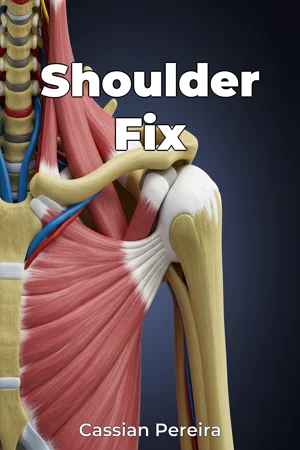
Are you tired of shoulder pain limiting your daily activities, preventing you from enjoying life to the fullest? 'Shoulder Fix' offers a comprehensive guide to understanding, treating, and preventing shoulder pain through targeted exercises and improved joint health. This book focuses on two primary areas: restoring optimal joint mechanics and building lasting stability. Addressing these areas is vital because many chronic shoulder issues stem from imbalances and weaknesses that are often overlooked by standard treatments. 'Shoulder Fix' provides essential context by explaining the complex anatomy of the shoulder joint, including the rotator cuff muscles, ligaments, and scapula. It details common conditions like impingement, bursitis, and rotator cuff tears, distinguishing between their symptoms and causes. Understanding these elements is crucial for effective self-assessment and for making informed decisions about your care. The central argument of 'Shoulder Fix' is that a proactive, exercise-based approach, combined with an understanding of proper biomechanics, is the most effective way to manage and overcome most shoulder problems. This argument challenges the reliance on passive treatments, such as medication or injections, as standalone solutions, advocating instead for a patient-centered strategy that empowers individuals to take control of their shoulder health. The book is structured in three parts. Part one introduces the core concepts of shoulder anatomy, biomechanics, and common injuries. Part two contains a progressive exercise program, starting with gentle mobility exercises and advancing to strength and stability training. Each exercise is clearly illustrated with step-by-step instructions and modifications for different ability levels. Part three focuses on long-term maintenance, injury prevention strategies, and how to integrate these principles into your daily life. The evidence supporting the recommendations in 'Shoulder Fix' is drawn from a diverse range of sources, including clinical studies on exercise interventions, biomechanical analyses of shoulder movement, and expert consensus from physical therapists and orthopedic specialists. The book presents this research in an accessible format, translating complex findings into practical advice. 'Shoulder Fix' connects to several related fields, including sports medicine, rehabilitation science, and ergonomics. For example, the exercise protocols are informed by principles of motor control and neuromuscular retraining. Furthermore, the book addresses workplace ergonomics and lifestyle factors that can contribute to shoulder pain, linking shoulder health to overall well-being. 'Shoulder Fix' provides a unique perspective by emphasizing the importance of scapular stability and its role in optimizing shoulder function. It challenges the traditional view that focuses solely on the rotator cuff muscles, providing a more holistic approach to shoulder rehabilitation. The tone of this book is both informative and encouraging, balancing scientific accuracy with practical guidance. It aims to empower readers with the knowledge and tools they need to actively participate in their own recovery. The target audience for 'Shoulder Fix' includes individuals experiencing shoulder pain, athletes looking to prevent injuries, and healthcare professionals seeking a comprehensive resource for patient education. This book is valuable to anyone interested in improving their shoulder health and function through evidence-based exercise strategies. As a health and fitness book, 'Shoulder Fix' meets the genre's conventions by offering practical advice, clear instructions, and visual aids to support the reader's understanding and application of the concepts presented. The scope of 'Shoulder Fix' is limited to non-surgical management of shoulder pain. It does not provide guidance for post-operative rehabilitation or address conditions that require surgical intervention. The information in 'Shoulder Fix' can be applied practically by readers through the implementation of the exercise program, the adoption of ergonomic principles, and the integration of injury prevention strategies into their daily routines. This allows users to actively manage and improve their shoulder health. While 'Shoulder Fix' primarily focuses on conservative management, it acknowledges the ongoing debates surrounding the effectiveness of different treatment approaches for specific shoulder conditions. It provides a balanced perspective, recognizing the role of both exercise and other interventions, such as injections or surgery, in certain cases.
Are you tired of shoulder pain limiting your daily activities, preventing you from enjoying life to the fullest? 'Shoulder Fix' offers a comprehensive guide to understanding, treating, and preventing shoulder pain through targeted exercises and improved joint health. This book focuses on two primary areas: restoring optimal joint mechanics and building lasting stability. Addressing these areas is vital because many chronic shoulder issues stem from imbalances and weaknesses that are often overlooked by standard treatments. 'Shoulder Fix' provides essential context by explaining the complex anatomy of the shoulder joint, including the rotator cuff muscles, ligaments, and scapula. It details common conditions like impingement, bursitis, and rotator cuff tears, distinguishing between their symptoms and causes. Understanding these elements is crucial for effective self-assessment and for making informed decisions about your care. The central argument of 'Shoulder Fix' is that a proactive, exercise-based approach, combined with an understanding of proper biomechanics, is the most effective way to manage and overcome most shoulder problems. This argument challenges the reliance on passive treatments, such as medication or injections, as standalone solutions, advocating instead for a patient-centered strategy that empowers individuals to take control of their shoulder health. The book is structured in three parts. Part one introduces the core concepts of shoulder anatomy, biomechanics, and common injuries. Part two contains a progressive exercise program, starting with gentle mobility exercises and advancing to strength and stability training. Each exercise is clearly illustrated with step-by-step instructions and modifications for different ability levels. Part three focuses on long-term maintenance, injury prevention strategies, and how to integrate these principles into your daily life. The evidence supporting the recommendations in 'Shoulder Fix' is drawn from a diverse range of sources, including clinical studies on exercise interventions, biomechanical analyses of shoulder movement, and expert consensus from physical therapists and orthopedic specialists. The book presents this research in an accessible format, translating complex findings into practical advice. 'Shoulder Fix' connects to several related fields, including sports medicine, rehabilitation science, and ergonomics. For example, the exercise protocols are informed by principles of motor control and neuromuscular retraining. Furthermore, the book addresses workplace ergonomics and lifestyle factors that can contribute to shoulder pain, linking shoulder health to overall well-being. 'Shoulder Fix' provides a unique perspective by emphasizing the importance of scapular stability and its role in optimizing shoulder function. It challenges the traditional view that focuses solely on the rotator cuff muscles, providing a more holistic approach to shoulder rehabilitation. The tone of this book is both informative and encouraging, balancing scientific accuracy with practical guidance. It aims to empower readers with the knowledge and tools they need to actively participate in their own recovery. The target audience for 'Shoulder Fix' includes individuals experiencing shoulder pain, athletes looking to prevent injuries, and healthcare professionals seeking a comprehensive resource for patient education. This book is valuable to anyone interested in improving their shoulder health and function through evidence-based exercise strategies. As a health and fitness book, 'Shoulder Fix' meets the genre's conventions by offering practical advice, clear instructions, and visual aids to support the reader's understanding and application of the concepts presented. The scope of 'Shoulder Fix' is limited to non-surgical management of shoulder pain. It does not provide guidance for post-operative rehabilitation or address conditions that require surgical intervention. The information in 'Shoulder Fix' can be applied practically by readers through the implementation of the exercise program, the adoption of ergonomic principles, and the integration of injury prevention strategies into their daily routines. This allows users to actively manage and improve their shoulder health. While 'Shoulder Fix' primarily focuses on conservative management, it acknowledges the ongoing debates surrounding the effectiveness of different treatment approaches for specific shoulder conditions. It provides a balanced perspective, recognizing the role of both exercise and other interventions, such as injections or surgery, in certain cases.
"Shoulder Fix" presents a comprehensive, exercise-based approach to understanding, treating, and preventing shoulder pain. It emphasizes restoring optimal joint mechanics and building stability through targeted exercises. The book challenges the reliance on passive treatments, advocating for a proactive, patient-centered strategy. It reveals that many shoulder issues stem from often overlooked imbalances and weaknesses. Interestingly, proper scapular stability plays a crucial role in optimizing shoulder function, a point often underemphasized in traditional treatments. The book progresses from explaining shoulder anatomy and common injuries like rotator cuff tears and bursitis to providing a progressive exercise program. This program starts with gentle mobility exercises and advances to strength and stability training, with clear illustrations for each step. The final section focuses on long-term maintenance, injury prevention, and integrating these principles into daily life. By presenting clinical studies and expert consensus in an accessible format, "Shoulder Fix" empowers readers to actively manage their shoulder health.
Book Details
ISBN
9788235271822
Publisher
Publifye AS
Your Licenses
You don't own any licenses for this book
Purchase a license below to unlock this book and download the EPUB.
Purchase License
Select a tier to unlock this book
Need bulk licensing?
Contact us for enterprise agreements.