
About This Book
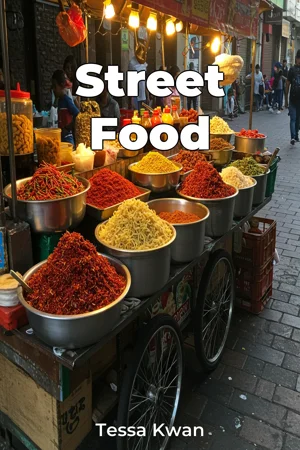
Ever wondered how that tantalizing aroma wafting from a street corner cart became a global phenomenon? This book, *Street Food*, explores the captivating journey of street food from its humble beginnings in ancient markets to its current status as a vibrant and integral component of modern urban culture. We will uncover the rich history, cultural significance, and economic impact of this culinary mainstay, demonstrating why understanding street food is crucial to understanding broader trends in food, culture, and urban development. Our exploration will center on three key areas: the historical evolution of street food, its cultural and social significance in diverse societies, and its economic impact on local communities and global markets. These topics are vital because they reveal not only the origins and spread of street food but also its profound influence on shaping social interactions, preserving cultural identities, and driving economic growth, particularly in developing countries. To fully appreciate the story of street food, some historical context is necessary. From the food stalls of ancient Rome and Greece to the bustling marketplaces of medieval Asia, readily available and affordable food has always been a feature of urban life. This book will trace this evolution, examining how factors like urbanization, migration, and technological advancements have shaped the modern street food landscape. No prior knowledge is required; we will build our understanding from the ground up. The central argument of *Street Food* is that street food is more than just a convenient and inexpensive meal; it is a dynamic cultural artifact that reflects and shapes the identity, social structures, and economic realities of the communities it serves. By examining street food through a multidisciplinary lens, this book challenges conventional notions of cuisine and highlights the important role of informal food systems in global society. The book will unfold in a structured manner. First, we will introduce the fundamental concepts and definitions of street food, establishing a clear framework for our investigation. Next, we will delve into the historical origins of street food across different continents, tracing its evolution through various eras and cultural contexts. This will be followed by an examination of the social and cultural dimensions of street food, exploring how it fosters community, preserves traditions, and reflects local identities. We will then analyze the economic impact of street food, assessing its contribution to employment, entrepreneurship, and urban development. Finally, we will synthesize our findings and discuss the future of street food in an increasingly globalized and urbanized world. To support our arguments, we will draw upon a diverse range of evidence, including historical documents, anthropological studies, sociological research, and economic data. We will also incorporate case studies from various regions around the world, providing concrete examples of the diverse forms and functions of street food. Furthermore, we will use culinary research and food studies, cross-referencing the societal impacts. This book connects to several other fields of study, including anthropology, sociology, urban planning, and economics. By integrating insights from these disciplines, we gain a more holistic understanding of the complex relationship between street food and society. These interdisciplinary connections enhance the book's argument by demonstrating the multifaceted nature of street food and its relevance to a wide range of academic and practical concerns. *Street Food* offers a unique perspective by viewing street food not just as a culinary phenomenon but as a dynamic cultural and economic force. This sets it apart from other books on the subject, which often focus solely on recipes or travelogues. We aim for an accessible style to target a broad audience, including food enthusiasts, students, researchers, policymakers, and anyone interested in the intersection of food, culture, and society. As a work of non-fiction, *Street Food* adheres to the genre's conventions of accuracy, objectivity, and evidence-based analysis. While the book aims to provide a comprehensive overview of street food, its scope is limited to the cultural, historical, and economic aspects of the subject. It does not include recipes or detailed culinary instructions. The insights presented in this book have practical applications for a variety of stakeholders. Food entrepreneurs can learn about market trends and consumer preferences, policymakers can develop strategies to support and regulate the street food sector, and urban planners can integrate street food into urban design and development projects. While street food is generally celebrated, it also faces controversies related to hygiene, safety, and environmental sustainability. This book will address these issues, acknowledging the challenges and debates surrounding street food and exploring potential solutions. We will not shy away from discussing the ethical considerations associated with street food production and consumption.
Ever wondered how that tantalizing aroma wafting from a street corner cart became a global phenomenon? This book, *Street Food*, explores the captivating journey of street food from its humble beginnings in ancient markets to its current status as a vibrant and integral component of modern urban culture. We will uncover the rich history, cultural significance, and economic impact of this culinary mainstay, demonstrating why understanding street food is crucial to understanding broader trends in food, culture, and urban development. Our exploration will center on three key areas: the historical evolution of street food, its cultural and social significance in diverse societies, and its economic impact on local communities and global markets. These topics are vital because they reveal not only the origins and spread of street food but also its profound influence on shaping social interactions, preserving cultural identities, and driving economic growth, particularly in developing countries. To fully appreciate the story of street food, some historical context is necessary. From the food stalls of ancient Rome and Greece to the bustling marketplaces of medieval Asia, readily available and affordable food has always been a feature of urban life. This book will trace this evolution, examining how factors like urbanization, migration, and technological advancements have shaped the modern street food landscape. No prior knowledge is required; we will build our understanding from the ground up. The central argument of *Street Food* is that street food is more than just a convenient and inexpensive meal; it is a dynamic cultural artifact that reflects and shapes the identity, social structures, and economic realities of the communities it serves. By examining street food through a multidisciplinary lens, this book challenges conventional notions of cuisine and highlights the important role of informal food systems in global society. The book will unfold in a structured manner. First, we will introduce the fundamental concepts and definitions of street food, establishing a clear framework for our investigation. Next, we will delve into the historical origins of street food across different continents, tracing its evolution through various eras and cultural contexts. This will be followed by an examination of the social and cultural dimensions of street food, exploring how it fosters community, preserves traditions, and reflects local identities. We will then analyze the economic impact of street food, assessing its contribution to employment, entrepreneurship, and urban development. Finally, we will synthesize our findings and discuss the future of street food in an increasingly globalized and urbanized world. To support our arguments, we will draw upon a diverse range of evidence, including historical documents, anthropological studies, sociological research, and economic data. We will also incorporate case studies from various regions around the world, providing concrete examples of the diverse forms and functions of street food. Furthermore, we will use culinary research and food studies, cross-referencing the societal impacts. This book connects to several other fields of study, including anthropology, sociology, urban planning, and economics. By integrating insights from these disciplines, we gain a more holistic understanding of the complex relationship between street food and society. These interdisciplinary connections enhance the book's argument by demonstrating the multifaceted nature of street food and its relevance to a wide range of academic and practical concerns. *Street Food* offers a unique perspective by viewing street food not just as a culinary phenomenon but as a dynamic cultural and economic force. This sets it apart from other books on the subject, which often focus solely on recipes or travelogues. We aim for an accessible style to target a broad audience, including food enthusiasts, students, researchers, policymakers, and anyone interested in the intersection of food, culture, and society. As a work of non-fiction, *Street Food* adheres to the genre's conventions of accuracy, objectivity, and evidence-based analysis. While the book aims to provide a comprehensive overview of street food, its scope is limited to the cultural, historical, and economic aspects of the subject. It does not include recipes or detailed culinary instructions. The insights presented in this book have practical applications for a variety of stakeholders. Food entrepreneurs can learn about market trends and consumer preferences, policymakers can develop strategies to support and regulate the street food sector, and urban planners can integrate street food into urban design and development projects. While street food is generally celebrated, it also faces controversies related to hygiene, safety, and environmental sustainability. This book will address these issues, acknowledging the challenges and debates surrounding street food and exploring potential solutions. We will not shy away from discussing the ethical considerations associated with street food production and consumption.
*Street Food* explores the fascinating evolution of street food, revealing its profound influence on urban culture and global markets. From ancient marketplaces to modern cities, readily available and affordable food has always been a vital part of urban life. The book argues that street food is more than just a quick meal; it's a dynamic cultural artifact. For example, it preserves traditions and shapes the identity of the communities it serves. Street food’s economic impact is also explored, shedding light on its contribution to employment and entrepreneurship, particularly in developing economies. The book adopts a multidisciplinary lens, drawing upon history, anthropology, sociology, and economics to provide a comprehensive view. It begins by establishing fundamental concepts, then delves into historical origins across continents, examining social and cultural dimensions, and finally, analyzing the economic impact. By understanding street food, one gains insights into broader trends in cuisine, culture, and urban development. The approach highlights street food's cultural significance, revealing its role in social interactions and local communities.
Book Details
ISBN
9788235271587
Publisher
Publifye AS
Your Licenses
You don't own any licenses for this book
Purchase a license below to unlock this book and download the EPUB.
Purchase License
Select a tier to unlock this book
Need bulk licensing?
Contact us for enterprise agreements.