
About This Book
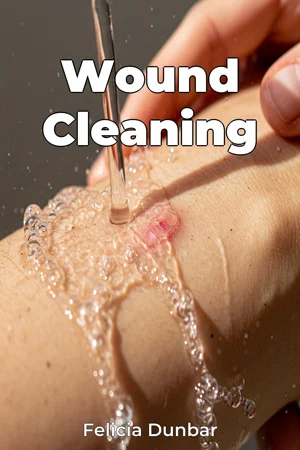
Are you confident you know the best way to care for a simple cut or scrape? Often overlooked, proper wound cleaning is the first and most crucial step in preventing infection and promoting optimal healing. This book, "Wound Cleaning," will serve as your comprehensive guide to evidence-based techniques for effectively cleaning cuts, scrapes, and puncture wounds, ensuring you can confidently manage minor injuries at home and understand when professional medical attention is necessary. This book focuses on two main topics: the science behind wound healing and the practical application of cleaning techniques. Understanding the biological processes involved in wound closure, such as the inflammatory response and tissue regeneration, allows for informed decision-making when selecting cleaning methods and aftercare. By debunking common myths and presenting current best practices, this book bridges the gap between scientific knowledge and everyday wound care. The second key area focuses on step-by-step instructions for various cleaning methods, tailored to different types of wounds, from superficial abrasions to deeper punctures. The historical context of wound care is riddled with now-outdated practices, like using harsh antiseptics that damage healthy tissue. Modern wound cleaning emphasizes gentle yet effective techniques that support the body's natural healing mechanisms. This book will address the scientific rationale behind these shifts, highlighting research that demonstrates the superiority of methods that prioritize tissue preservation and infection prevention. No prior medical knowledge is required; the information is presented in an accessible format for the general reader. The central argument of "Wound Cleaning" is that informed, proactive wound care significantly reduces the risk of infection and accelerates healing. Neglecting proper cleaning or using inappropriate methods can lead to complications, potentially requiring more invasive medical interventions. By empowering readers with the knowledge and skills to manage minor injuries effectively, this book promotes better health outcomes and reduces unnecessary healthcare utilization. The book begins by introducing the fundamentals of wound healing, explaining the different stages of the process and the factors that can influence its success. It then moves into a detailed discussion of various wound cleaning techniques, including: a) Proper hand hygiene and preparation. b) Selection of appropriate cleaning solutions (e.g., sterile saline, tap water). c) Step-by-step instructions for cleaning different types of wounds. d) Guidance on when to seek professional medical attention. Finally, the book culminates in a practical guide to aftercare, covering topics such as dressing selection, pain management, and monitoring for signs of infection. Real-life case studies and frequently asked questions are included to reinforce learning and address common concerns. The evidence presented in this book is drawn from clinical studies, scientific literature reviews, and expert consensus guidelines in wound care. Special attention is given to studies comparing different cleaning methods and their impact on infection rates and healing times. The book also incorporates insights from experienced healthcare professionals, including nurses, physicians, and wound care specialists. "Wound Cleaning" connects to several other fields of study, including: a) Microbiology: Understanding the role of bacteria and other microorganisms in wound infections. b) Immunology: Recognizing the body's immune response to injury and infection. c) Public health: Promoting preventative measures to reduce the incidence of wound-related complications. This book approaches wound care from a patient-centered perspective, emphasizing the importance of shared decision-making between individuals and healthcare providers. It recognizes that each wound is unique and requires a tailored approach to cleaning and management. The tone is informative, reassuring, and practical. The writing style is clear, concise, and avoids technical jargon whenever possible. Complex scientific concepts are explained in simple terms, making the information accessible to a broad audience. The target audience includes anyone who wants to learn how to properly care for minor wounds at home, including parents, caregivers, athletes, and individuals with chronic conditions that may impair wound healing. This book is valuable to readers interested in taking a proactive role in their health and well-being. As a health and fitness and medical general book, "Wound Cleaning" delivers reliable data, best practices, and actionable advice. The scope of this book is limited to the initial cleaning of minor cuts, scrapes, and puncture wounds. This book does not cover the management of chronic wounds, burns, or serious injuries that require immediate medical attention; those topics are outside the intended scope. The information in this book can be applied to various real-world situations, such as managing injuries sustained during sports activities, caring for wounds in children, and providing first aid in emergency situations. While the basic principles of wound cleaning are generally accepted, there may be ongoing debates about the optimal choice of cleaning solutions and dressings. This book will address these discussions, presenting the available evidence and offering practical guidance for making informed decisions.
Are you confident you know the best way to care for a simple cut or scrape? Often overlooked, proper wound cleaning is the first and most crucial step in preventing infection and promoting optimal healing. This book, "Wound Cleaning," will serve as your comprehensive guide to evidence-based techniques for effectively cleaning cuts, scrapes, and puncture wounds, ensuring you can confidently manage minor injuries at home and understand when professional medical attention is necessary. This book focuses on two main topics: the science behind wound healing and the practical application of cleaning techniques. Understanding the biological processes involved in wound closure, such as the inflammatory response and tissue regeneration, allows for informed decision-making when selecting cleaning methods and aftercare. By debunking common myths and presenting current best practices, this book bridges the gap between scientific knowledge and everyday wound care. The second key area focuses on step-by-step instructions for various cleaning methods, tailored to different types of wounds, from superficial abrasions to deeper punctures. The historical context of wound care is riddled with now-outdated practices, like using harsh antiseptics that damage healthy tissue. Modern wound cleaning emphasizes gentle yet effective techniques that support the body's natural healing mechanisms. This book will address the scientific rationale behind these shifts, highlighting research that demonstrates the superiority of methods that prioritize tissue preservation and infection prevention. No prior medical knowledge is required; the information is presented in an accessible format for the general reader. The central argument of "Wound Cleaning" is that informed, proactive wound care significantly reduces the risk of infection and accelerates healing. Neglecting proper cleaning or using inappropriate methods can lead to complications, potentially requiring more invasive medical interventions. By empowering readers with the knowledge and skills to manage minor injuries effectively, this book promotes better health outcomes and reduces unnecessary healthcare utilization. The book begins by introducing the fundamentals of wound healing, explaining the different stages of the process and the factors that can influence its success. It then moves into a detailed discussion of various wound cleaning techniques, including: a) Proper hand hygiene and preparation. b) Selection of appropriate cleaning solutions (e.g., sterile saline, tap water). c) Step-by-step instructions for cleaning different types of wounds. d) Guidance on when to seek professional medical attention. Finally, the book culminates in a practical guide to aftercare, covering topics such as dressing selection, pain management, and monitoring for signs of infection. Real-life case studies and frequently asked questions are included to reinforce learning and address common concerns. The evidence presented in this book is drawn from clinical studies, scientific literature reviews, and expert consensus guidelines in wound care. Special attention is given to studies comparing different cleaning methods and their impact on infection rates and healing times. The book also incorporates insights from experienced healthcare professionals, including nurses, physicians, and wound care specialists. "Wound Cleaning" connects to several other fields of study, including: a) Microbiology: Understanding the role of bacteria and other microorganisms in wound infections. b) Immunology: Recognizing the body's immune response to injury and infection. c) Public health: Promoting preventative measures to reduce the incidence of wound-related complications. This book approaches wound care from a patient-centered perspective, emphasizing the importance of shared decision-making between individuals and healthcare providers. It recognizes that each wound is unique and requires a tailored approach to cleaning and management. The tone is informative, reassuring, and practical. The writing style is clear, concise, and avoids technical jargon whenever possible. Complex scientific concepts are explained in simple terms, making the information accessible to a broad audience. The target audience includes anyone who wants to learn how to properly care for minor wounds at home, including parents, caregivers, athletes, and individuals with chronic conditions that may impair wound healing. This book is valuable to readers interested in taking a proactive role in their health and well-being. As a health and fitness and medical general book, "Wound Cleaning" delivers reliable data, best practices, and actionable advice. The scope of this book is limited to the initial cleaning of minor cuts, scrapes, and puncture wounds. This book does not cover the management of chronic wounds, burns, or serious injuries that require immediate medical attention; those topics are outside the intended scope. The information in this book can be applied to various real-world situations, such as managing injuries sustained during sports activities, caring for wounds in children, and providing first aid in emergency situations. While the basic principles of wound cleaning are generally accepted, there may be ongoing debates about the optimal choice of cleaning solutions and dressings. This book will address these discussions, presenting the available evidence and offering practical guidance for making informed decisions.
Proper wound cleaning is the crucial first step in preventing infection and promoting faster healing of minor injuries. *Wound Cleaning* serves as a guide, offering evidence-based techniques for effectively managing cuts, scrapes, and puncture wounds. The book emphasizes that using outdated methods or neglecting proper cleaning can lead to complications, while modern techniques prioritize gentle yet effective approaches that support the body’s natural healing. Did you know harsh antiseptics can damage healthy tissue? The book debunks common myths, bridging the gap between scientific knowledge and everyday wound care for health and fitness. The book progresses from the fundamentals of wound healing, explaining the stages of the healing process, to detailed discussions of various cleaning methods such as hand hygiene, selection of proper cleaning solutions like sterile saline or tap water, and step-by-step instructions for different wounds. It also guides when to seek professional medical attention. Finally, the book covers aftercare, including dressing selection, pain management, and monitoring for infection. Through this structured approach, readers gain the knowledge and skills to manage minor injuries confidently, promoting better health outcomes and reducing unnecessary healthcare visits.
Book Details
ISBN
9788235271365
Publisher
Publifye AS
Your Licenses
You don't own any licenses for this book
Purchase a license below to unlock this book and download the EPUB.
Purchase License
Select a tier to unlock this book
Need bulk licensing?
Contact us for enterprise agreements.