
About This Book
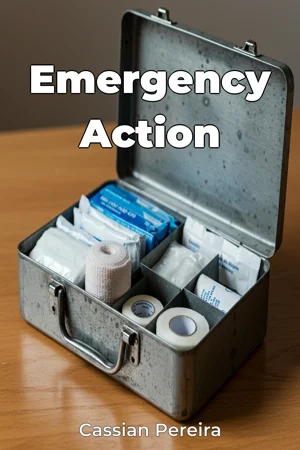
Are you prepared to act decisively when an accident happens? Knowing what to do in the critical moments following an injury or sudden illness can significantly improve outcomes and even save lives. "Emergency Action" provides a comprehensive guide to responding effectively to a range of medical emergencies, equipping readers with the knowledge and skills needed to make smart decisions under pressure. This book addresses the core concepts of emergency medical care by focusing on three key areas: assessment, intervention, and prevention. Proper assessment involves quickly evaluating the situation, identifying the nature of the injury or illness, and prioritizing care based on severity. Effective intervention requires understanding and applying appropriate first aid techniques to stabilize the patient and prevent further harm. Finally, prevention focuses on recognizing potential hazards and taking proactive steps to minimize the risk of accidents and emergencies in the first place. These topics are vital because accidents are inherently unpredictable, and timely, informed action can be the difference between a positive and negative outcome. "Emergency Action" offers a detailed understanding of evidence-based first aid practices. It presents a clear, step-by-step approach to managing common emergencies, such as cuts, burns, fractures, sprains, and allergic reactions. It also delves into more serious situations, including heart attacks, strokes, and seizures, providing guidance on how to recognize the warning signs and provide immediate support while awaiting professional medical help. The book's argument is simple: preparedness saves lives. By understanding emergency medical principles and practicing essential first aid techniques, individuals can become confident and capable first responders in their homes, workplaces, and communities. This argument is critical in a world where professional medical assistance may be delayed due to geographical constraints, limited resources, or widespread emergencies. "Emergency Action" is structured to facilitate learning and retention. The book begins with an introduction to basic anatomy and physiology, providing readers with a foundation for understanding how the body responds to injury and illness. It then progresses through a series of chapters, each dedicated to a specific type of emergency, detailing the signs and symptoms, assessment procedures, and appropriate first aid interventions. Each chapter culminates with practical tips for preventing similar incidents. The book concludes with a comprehensive review of emergency preparedness strategies, including creating a first aid kit, developing an emergency action plan, and accessing local emergency medical services. The evidence presented in this book is based on established medical guidelines and best practices, drawing from sources such as the American Heart Association, the American Red Cross, and the National Institutes of Health. The guidelines and recommendations are clearly referenced, allowing readers to further explore the evidence behind the presented techniques. "Emergency Action" connects to several other fields, including public health, safety management, and community resilience. By promoting individual preparedness, the book contributes to broader public health initiatives aimed at reducing morbidity and mortality from preventable injuries and illnesses. It also informs safety management practices in workplaces and other public settings, helping organizations to create safer environments. And by empowering individuals to act in emergencies, it strengthens community resilience, enabling communities to better respond to and recover from disasters. This book stands out by its focus on practical application and decision-making under pressure. It doesn't just present information; it guides readers through the process of assessing a situation, prioritizing actions, and adapting their approach based on available resources and circumstances. The tone of "Emergency Action" is informative, direct, and reassuring. It avoids technical jargon and uses clear, concise language to make complex medical concepts accessible to a broad audience. The writing style is designed to inspire confidence and empower readers to take action, even in stressful situations. The target audience for "Emergency Action" includes anyone who wants to be prepared to respond effectively to medical emergencies. It is particularly valuable for parents, caregivers, teachers, coaches, and community leaders. Individuals working in remote locations or high-risk environments will also find this book to be an indispensable resource. As a book in the 'Medical General, Health & Fitness, Health Fitness' genres, it provides practical health advice in an easy-to-understand manner that the average reader can quickly grasp and apply. While "Emergency Action" covers a wide range of common emergencies, it is not intended to be a substitute for professional medical advice or training. The book focuses on providing immediate first aid interventions to stabilize the patient and prevent further harm, but it emphasizes the importance of seeking professional medical care as soon as possible. The book does not cover advanced medical procedures, such as surgery or medication administration, which should only be performed by qualified healthcare professionals. The information in "Emergency Action" can be applied in countless real-world situations. Whether responding to a minor injury at home, assisting a colleague who has collapsed at work, or providing aid to a stranger in public, the knowledge and skills gained from this book can make a critical difference. By empowering individuals to act decisively and confidently, "Emergency Action" can help to create safer and more resilient communities.
Are you prepared to act decisively when an accident happens? Knowing what to do in the critical moments following an injury or sudden illness can significantly improve outcomes and even save lives. "Emergency Action" provides a comprehensive guide to responding effectively to a range of medical emergencies, equipping readers with the knowledge and skills needed to make smart decisions under pressure. This book addresses the core concepts of emergency medical care by focusing on three key areas: assessment, intervention, and prevention. Proper assessment involves quickly evaluating the situation, identifying the nature of the injury or illness, and prioritizing care based on severity. Effective intervention requires understanding and applying appropriate first aid techniques to stabilize the patient and prevent further harm. Finally, prevention focuses on recognizing potential hazards and taking proactive steps to minimize the risk of accidents and emergencies in the first place. These topics are vital because accidents are inherently unpredictable, and timely, informed action can be the difference between a positive and negative outcome. "Emergency Action" offers a detailed understanding of evidence-based first aid practices. It presents a clear, step-by-step approach to managing common emergencies, such as cuts, burns, fractures, sprains, and allergic reactions. It also delves into more serious situations, including heart attacks, strokes, and seizures, providing guidance on how to recognize the warning signs and provide immediate support while awaiting professional medical help. The book's argument is simple: preparedness saves lives. By understanding emergency medical principles and practicing essential first aid techniques, individuals can become confident and capable first responders in their homes, workplaces, and communities. This argument is critical in a world where professional medical assistance may be delayed due to geographical constraints, limited resources, or widespread emergencies. "Emergency Action" is structured to facilitate learning and retention. The book begins with an introduction to basic anatomy and physiology, providing readers with a foundation for understanding how the body responds to injury and illness. It then progresses through a series of chapters, each dedicated to a specific type of emergency, detailing the signs and symptoms, assessment procedures, and appropriate first aid interventions. Each chapter culminates with practical tips for preventing similar incidents. The book concludes with a comprehensive review of emergency preparedness strategies, including creating a first aid kit, developing an emergency action plan, and accessing local emergency medical services. The evidence presented in this book is based on established medical guidelines and best practices, drawing from sources such as the American Heart Association, the American Red Cross, and the National Institutes of Health. The guidelines and recommendations are clearly referenced, allowing readers to further explore the evidence behind the presented techniques. "Emergency Action" connects to several other fields, including public health, safety management, and community resilience. By promoting individual preparedness, the book contributes to broader public health initiatives aimed at reducing morbidity and mortality from preventable injuries and illnesses. It also informs safety management practices in workplaces and other public settings, helping organizations to create safer environments. And by empowering individuals to act in emergencies, it strengthens community resilience, enabling communities to better respond to and recover from disasters. This book stands out by its focus on practical application and decision-making under pressure. It doesn't just present information; it guides readers through the process of assessing a situation, prioritizing actions, and adapting their approach based on available resources and circumstances. The tone of "Emergency Action" is informative, direct, and reassuring. It avoids technical jargon and uses clear, concise language to make complex medical concepts accessible to a broad audience. The writing style is designed to inspire confidence and empower readers to take action, even in stressful situations. The target audience for "Emergency Action" includes anyone who wants to be prepared to respond effectively to medical emergencies. It is particularly valuable for parents, caregivers, teachers, coaches, and community leaders. Individuals working in remote locations or high-risk environments will also find this book to be an indispensable resource. As a book in the 'Medical General, Health & Fitness, Health Fitness' genres, it provides practical health advice in an easy-to-understand manner that the average reader can quickly grasp and apply. While "Emergency Action" covers a wide range of common emergencies, it is not intended to be a substitute for professional medical advice or training. The book focuses on providing immediate first aid interventions to stabilize the patient and prevent further harm, but it emphasizes the importance of seeking professional medical care as soon as possible. The book does not cover advanced medical procedures, such as surgery or medication administration, which should only be performed by qualified healthcare professionals. The information in "Emergency Action" can be applied in countless real-world situations. Whether responding to a minor injury at home, assisting a colleague who has collapsed at work, or providing aid to a stranger in public, the knowledge and skills gained from this book can make a critical difference. By empowering individuals to act decisively and confidently, "Emergency Action" can help to create safer and more resilient communities.
"Emergency Action" is your comprehensive guide to effectively managing medical emergencies, emphasizing preparedness to save lives in critical situations. It focuses on assessment, intervention, and prevention, providing readers with practical knowledge and skills. The book highlights that accidents are unpredictable, and knowing how to respond can drastically improve outcomes. For instance, understanding basic anatomy and physiology helps in recognizing how the body reacts to injuries, guiding appropriate first aid interventions. The book progresses systematically, starting with foundational knowledge and moving through specific emergencies like cuts, burns, and more serious events such as heart attacks and strokes. Each chapter details symptoms, assessment, and interventions, concluding with prevention tips. "Emergency Action" uniquely emphasizes practical application and decision-making under pressure, presenting evidence-based practices and making complex medical concepts accessible, empowering individuals to act confidently in homes, workplaces, and communities.
Book Details
ISBN
9788235271266
Publisher
Publifye AS
Your Licenses
You don't own any licenses for this book
Purchase a license below to unlock this book and download the EPUB.
Purchase License
Select a tier to unlock this book
Need bulk licensing?
Contact us for enterprise agreements.