
About This Book
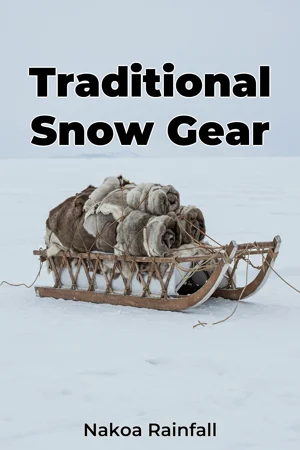
How did humans not only survive but thrive in some of the world's most unforgiving environments? The answer lies in the ingenious adaptations of indigenous groups who developed specialized clothing, sleds, and survival gear. "Traditional Snow Gear" explores the rich history, intricate designs, and profound ecological knowledge embedded within the winter equipment of Arctic and mountainous cultures. This book delves into the critical role that culturally specific technologies played in enabling survival and shaping the unique identities of these communities. This book examines three main areas: the evolution of clothing technology in extreme climates, the development and cultural significance of various sled designs, and the broader spectrum of survival equipment honed over generations. Understanding these topics is crucial because they demonstrate the remarkable capacity of human innovation in the face of environmental challenges, offering lessons applicable to sustainable design and resilience in the modern world. Furthermore, examining these technologies provides insight into the deep cultural connection between indigenous peoples and their landscapes, highlighting the importance of preserving traditional knowledge. The book provides necessary historical and social context by tracing the migrations and cultural developments of indigenous groups in the Arctic and mountainous regions. It also introduces basic concepts of thermal regulation, material science, and biomechanics to help the reader appreciate the complex interplay between equipment design and environmental factors. Familiarity with basic geography and anthropological concepts will enhance the reader's understanding, though not strictly required. The central argument of "Traditional Snow Gear" is that indigenous winter equipment represents more than just tools for survival; they are sophisticated cultural artifacts that reflect a deep understanding of the environment and embody the values and ingenuity of their creators. This argument is important because it challenges Eurocentric views of technological advancement and highlights the vital role of indigenous knowledge in addressing contemporary environmental challenges. The book will begin by introducing the fundamental principles of cold-weather survival and the diverse range of environments in which indigenous groups have thrived. The subsequent sections are organized around three core themes. First, it explores clothing, analyzing the materials used (such as animal hides, furs, and plant fibers), the construction techniques employed (including specialized stitching and insulation methods), and the cultural significance of different garments. Second, the book examines various sled designs, detailing their construction (using wood, bone, and antler), propulsion methods (including dog sledding and human traction), and their role in transportation, hunting, and trade. Third, the book covers a broader spectrum of survival equipment, including tools for hunting, fishing, shelter construction, and navigation. The book will culminate with a discussion of the enduring legacy of indigenous winter technologies and their potential for informing sustainable design practices today. The evidence presented in the book draws from a variety of sources, including archaeological findings, ethnographic studies, historical accounts, and material culture analysis. It incorporates detailed descriptions of artifacts from museum collections, firsthand accounts from indigenous elders and knowledge holders, and experimental studies that test the performance of traditional gear in simulated environments. "Traditional Snow Gear" connects to several other fields of study, including anthropology, archaeology, environmental science, and engineering, demonstrating the interdisciplinary nature of the subject matter. These connections enhance the book's argument by providing multiple perspectives on the ingenuity and adaptive capacity of indigenous cultures. This book offers a unique perspective by focusing specifically on the technological aspects of indigenous winter survival, moving beyond romanticized or stereotypical portrayals to examine the technical sophistication and ecological wisdom embedded in traditional gear. The book employs a fact-based and informative writing style, presenting information in a clear and accessible manner while maintaining academic rigor. It aims to be both engaging and educational, appealing to a broad audience with an interest in history, anthropology, technology, and environmental studies. The target audience includes students, researchers, outdoor enthusiasts, and anyone interested in learning about indigenous cultures and their remarkable adaptations to harsh environments. This book would be valuable to them by providing a comprehensive overview of indigenous winter technologies and their cultural significance. As a work of non-fiction, "Traditional Snow Gear" adheres to the genre's emphasis on accuracy, objectivity, and evidence-based analysis, presenting well-researched information in a clear and unbiased manner. The scope of the book is limited to the winter technologies of indigenous groups in Arctic and mountainous regions, focusing primarily on clothing, sleds, and essential survival gear. It does not delve into the broader aspects of indigenous cultures or their social and political histories, although these topics are touched upon where they directly relate to the development and use of winter equipment. The information in the book can be applied practically by readers interested in sustainable design, wilderness survival, and cross-cultural understanding. It offers valuable insights into the principles of thermal regulation, material selection, and adaptive innovation, which can be used to inform the development of more sustainable and resilient technologies for the future. While the book aims to present a balanced and respectful portrayal of indigenous cultures, it also acknowledges that there are ongoing debates and controversies surrounding issues such as cultural appropriation, intellectual property rights, and the repatriation of cultural artifacts. These issues are addressed in a thoughtful and nuanced manner, recognizing the importance of engaging with diverse perspectives and promoting ethical research practices.
How did humans not only survive but thrive in some of the world's most unforgiving environments? The answer lies in the ingenious adaptations of indigenous groups who developed specialized clothing, sleds, and survival gear. "Traditional Snow Gear" explores the rich history, intricate designs, and profound ecological knowledge embedded within the winter equipment of Arctic and mountainous cultures. This book delves into the critical role that culturally specific technologies played in enabling survival and shaping the unique identities of these communities. This book examines three main areas: the evolution of clothing technology in extreme climates, the development and cultural significance of various sled designs, and the broader spectrum of survival equipment honed over generations. Understanding these topics is crucial because they demonstrate the remarkable capacity of human innovation in the face of environmental challenges, offering lessons applicable to sustainable design and resilience in the modern world. Furthermore, examining these technologies provides insight into the deep cultural connection between indigenous peoples and their landscapes, highlighting the importance of preserving traditional knowledge. The book provides necessary historical and social context by tracing the migrations and cultural developments of indigenous groups in the Arctic and mountainous regions. It also introduces basic concepts of thermal regulation, material science, and biomechanics to help the reader appreciate the complex interplay between equipment design and environmental factors. Familiarity with basic geography and anthropological concepts will enhance the reader's understanding, though not strictly required. The central argument of "Traditional Snow Gear" is that indigenous winter equipment represents more than just tools for survival; they are sophisticated cultural artifacts that reflect a deep understanding of the environment and embody the values and ingenuity of their creators. This argument is important because it challenges Eurocentric views of technological advancement and highlights the vital role of indigenous knowledge in addressing contemporary environmental challenges. The book will begin by introducing the fundamental principles of cold-weather survival and the diverse range of environments in which indigenous groups have thrived. The subsequent sections are organized around three core themes. First, it explores clothing, analyzing the materials used (such as animal hides, furs, and plant fibers), the construction techniques employed (including specialized stitching and insulation methods), and the cultural significance of different garments. Second, the book examines various sled designs, detailing their construction (using wood, bone, and antler), propulsion methods (including dog sledding and human traction), and their role in transportation, hunting, and trade. Third, the book covers a broader spectrum of survival equipment, including tools for hunting, fishing, shelter construction, and navigation. The book will culminate with a discussion of the enduring legacy of indigenous winter technologies and their potential for informing sustainable design practices today. The evidence presented in the book draws from a variety of sources, including archaeological findings, ethnographic studies, historical accounts, and material culture analysis. It incorporates detailed descriptions of artifacts from museum collections, firsthand accounts from indigenous elders and knowledge holders, and experimental studies that test the performance of traditional gear in simulated environments. "Traditional Snow Gear" connects to several other fields of study, including anthropology, archaeology, environmental science, and engineering, demonstrating the interdisciplinary nature of the subject matter. These connections enhance the book's argument by providing multiple perspectives on the ingenuity and adaptive capacity of indigenous cultures. This book offers a unique perspective by focusing specifically on the technological aspects of indigenous winter survival, moving beyond romanticized or stereotypical portrayals to examine the technical sophistication and ecological wisdom embedded in traditional gear. The book employs a fact-based and informative writing style, presenting information in a clear and accessible manner while maintaining academic rigor. It aims to be both engaging and educational, appealing to a broad audience with an interest in history, anthropology, technology, and environmental studies. The target audience includes students, researchers, outdoor enthusiasts, and anyone interested in learning about indigenous cultures and their remarkable adaptations to harsh environments. This book would be valuable to them by providing a comprehensive overview of indigenous winter technologies and their cultural significance. As a work of non-fiction, "Traditional Snow Gear" adheres to the genre's emphasis on accuracy, objectivity, and evidence-based analysis, presenting well-researched information in a clear and unbiased manner. The scope of the book is limited to the winter technologies of indigenous groups in Arctic and mountainous regions, focusing primarily on clothing, sleds, and essential survival gear. It does not delve into the broader aspects of indigenous cultures or their social and political histories, although these topics are touched upon where they directly relate to the development and use of winter equipment. The information in the book can be applied practically by readers interested in sustainable design, wilderness survival, and cross-cultural understanding. It offers valuable insights into the principles of thermal regulation, material selection, and adaptive innovation, which can be used to inform the development of more sustainable and resilient technologies for the future. While the book aims to present a balanced and respectful portrayal of indigenous cultures, it also acknowledges that there are ongoing debates and controversies surrounding issues such as cultural appropriation, intellectual property rights, and the repatriation of cultural artifacts. These issues are addressed in a thoughtful and nuanced manner, recognizing the importance of engaging with diverse perspectives and promoting ethical research practices.
"Traditional Snow Gear" unveils the remarkable ingenuity of indigenous cultures in mastering some of Earth's most challenging winter environments. It explores the sophisticated technologies developed by these groups, focusing on clothing, sleds, and survival equipment, offering a deep dive into how these tools were essential for survival and shaped unique cultural identities. The book highlights the intricate designs and profound ecological knowledge embedded in these artifacts, showing how indigenous innovation allowed communities to thrive where others could not. The book progresses by first introducing cold-weather survival principles and diverse environments. It then examines clothing, detailing materials and construction; sled designs, discussing construction and propulsion; and a range of survival equipment. By delving into the material culture of Arctic and mountainous regions, the book emphasizes the cultural significance and sustainable design principles behind these technologies, challenging Eurocentric views and highlighting the importance of preserving indigenous knowledge for contemporary environmental challenges.
Book Details
ISBN
9788235271235
Publisher
Publifye AS
Your Licenses
You don't own any licenses for this book
Purchase a license below to unlock this book and download the EPUB.
Purchase License
Select a tier to unlock this book
Need bulk licensing?
Contact us for enterprise agreements.