
About This Book
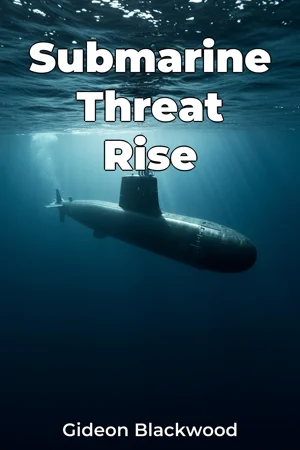
Are the silent depths of Nordic waters about to become a flashpoint in a new era of geopolitical tension? "Submarine Threat Rise" delves into the escalating presence of submarine activity in the strategically vital waterways of Northern Europe, analyzing its profound implications for regional security and the evolving defense strategies of Nordic nations, particularly their critical decisions regarding frigate acquisition and deployment. This book addresses two fundamental, interconnected issues: the increasing sophistication and frequency of submarine operations in the Baltic Sea, Norwegian Sea, and surrounding areas, and the corresponding imperative for Nordic countries to adapt their naval capabilities to effectively counter these emerging threats. These issues are critically important because the control and security of these waters are vital for maintaining stability in Northern Europe, safeguarding crucial trade routes, and deterring potential aggression. The book provides essential context by examining the historical precedents of submarine warfare in the region, tracing the technological advancements in submarine design and capabilities, and outlining the geopolitical factors that have led to the current surge in underwater activity. Readers will gain an understanding of basic submarine detection methods, the limitations of current anti-submarine warfare (ASW) technologies, and the strategic significance of the Nordic region in the broader context of global power dynamics. "Submarine Threat Rise" argues that the resurgence of submarine activity represents a significant challenge to the existing security architecture in Northern Europe, demanding a reassessment of naval priorities and a commitment to enhanced ASW capabilities. The book establishes this argument through detailed analysis of open-source intelligence, naval strategy documents, defense industry reports, and expert interviews. The book is structured in three parts. First, it provides an overview of the evolution of submarine technology and tactics, detailing which nations are operating in the region and their capabilities. Second, it analyzes current Nordic defense strategies, with an emphasis on how decisions around frigate procurement and deployment are being shaped by the changing threat landscape. Specific attention is given to the capabilities of various frigate designs, their roles in ASW operations, and the challenges of integrating them into existing naval forces. Finally, the book offers a set of policy recommendations for strengthening Nordic maritime security and enhancing cooperation among regional powers. The evidence presented includes technical specifications of submarines and frigates, case studies of past submarine incidents in Nordic waters, and comparative analyses of different ASW strategies. Open-source data regarding submarine patrols, naval exercises, and defense budgets forms the basis for much of the analysis, supplemented by insights gained from interviews with naval officers, defense analysts, and industry experts. The book connects to the fields of political science, international relations, and technology studies. By analyzing the interplay between technological advancements, geopolitical rivalries, and defense policy, it provides a holistic understanding of the challenges facing the Nordic region. The legal aspects of maritime law and the rules of engagement regarding submarines in international waters are also considered. Unique to this book is its focus on the specific challenges faced by Nordic nations given their geographic constraints, limited defense budgets, and reliance on international cooperation. The book offers a balanced assessment of the threat, avoiding alarmist rhetoric while underscoring the need for proactive measures. Written in a clear and professional style, "Submarine Threat Rise" aims to inform a broad audience, including policymakers, military professionals, defense industry analysts, academics, and anyone interested in contemporary security issues. It is valuable to those seeking a comprehensive understanding of the evolving maritime security landscape in Northern Europe. As a work of current events, military history, and history military, the book adheres to the genre conventions of objective analysis, detailed sourcing, and rigorous fact-checking. The book focuses on the period from the end of the Cold War to the present day. While it delves into the capabilities of specific submarine platforms, it avoids classified information and refrains from speculating on future technological developments. The information presented will be valuable for naval strategists seeking to refine ASW tactics, defense policymakers seeking to make informed procurement decisions, and security analysts seeking to understand the dynamics of maritime power in the region. While this book provides a detailed overview of the submarine threat and Nordic naval responses, it acknowledges the ongoing debates surrounding the effectiveness of different ASW technologies and the appropriate level of defense spending in the region. It aims to contribute to these discussions by providing a fact-based analysis of the challenges and opportunities facing Nordic nations in the face of increasing submarine activity.
Are the silent depths of Nordic waters about to become a flashpoint in a new era of geopolitical tension? "Submarine Threat Rise" delves into the escalating presence of submarine activity in the strategically vital waterways of Northern Europe, analyzing its profound implications for regional security and the evolving defense strategies of Nordic nations, particularly their critical decisions regarding frigate acquisition and deployment. This book addresses two fundamental, interconnected issues: the increasing sophistication and frequency of submarine operations in the Baltic Sea, Norwegian Sea, and surrounding areas, and the corresponding imperative for Nordic countries to adapt their naval capabilities to effectively counter these emerging threats. These issues are critically important because the control and security of these waters are vital for maintaining stability in Northern Europe, safeguarding crucial trade routes, and deterring potential aggression. The book provides essential context by examining the historical precedents of submarine warfare in the region, tracing the technological advancements in submarine design and capabilities, and outlining the geopolitical factors that have led to the current surge in underwater activity. Readers will gain an understanding of basic submarine detection methods, the limitations of current anti-submarine warfare (ASW) technologies, and the strategic significance of the Nordic region in the broader context of global power dynamics. "Submarine Threat Rise" argues that the resurgence of submarine activity represents a significant challenge to the existing security architecture in Northern Europe, demanding a reassessment of naval priorities and a commitment to enhanced ASW capabilities. The book establishes this argument through detailed analysis of open-source intelligence, naval strategy documents, defense industry reports, and expert interviews. The book is structured in three parts. First, it provides an overview of the evolution of submarine technology and tactics, detailing which nations are operating in the region and their capabilities. Second, it analyzes current Nordic defense strategies, with an emphasis on how decisions around frigate procurement and deployment are being shaped by the changing threat landscape. Specific attention is given to the capabilities of various frigate designs, their roles in ASW operations, and the challenges of integrating them into existing naval forces. Finally, the book offers a set of policy recommendations for strengthening Nordic maritime security and enhancing cooperation among regional powers. The evidence presented includes technical specifications of submarines and frigates, case studies of past submarine incidents in Nordic waters, and comparative analyses of different ASW strategies. Open-source data regarding submarine patrols, naval exercises, and defense budgets forms the basis for much of the analysis, supplemented by insights gained from interviews with naval officers, defense analysts, and industry experts. The book connects to the fields of political science, international relations, and technology studies. By analyzing the interplay between technological advancements, geopolitical rivalries, and defense policy, it provides a holistic understanding of the challenges facing the Nordic region. The legal aspects of maritime law and the rules of engagement regarding submarines in international waters are also considered. Unique to this book is its focus on the specific challenges faced by Nordic nations given their geographic constraints, limited defense budgets, and reliance on international cooperation. The book offers a balanced assessment of the threat, avoiding alarmist rhetoric while underscoring the need for proactive measures. Written in a clear and professional style, "Submarine Threat Rise" aims to inform a broad audience, including policymakers, military professionals, defense industry analysts, academics, and anyone interested in contemporary security issues. It is valuable to those seeking a comprehensive understanding of the evolving maritime security landscape in Northern Europe. As a work of current events, military history, and history military, the book adheres to the genre conventions of objective analysis, detailed sourcing, and rigorous fact-checking. The book focuses on the period from the end of the Cold War to the present day. While it delves into the capabilities of specific submarine platforms, it avoids classified information and refrains from speculating on future technological developments. The information presented will be valuable for naval strategists seeking to refine ASW tactics, defense policymakers seeking to make informed procurement decisions, and security analysts seeking to understand the dynamics of maritime power in the region. While this book provides a detailed overview of the submarine threat and Nordic naval responses, it acknowledges the ongoing debates surrounding the effectiveness of different ASW technologies and the appropriate level of defense spending in the region. It aims to contribute to these discussions by providing a fact-based analysis of the challenges and opportunities facing Nordic nations in the face of increasing submarine activity.
"Submarine Threat Rise" explores the growing submarine threat in Northern European waters and its impact on Nordic security. It examines how increased submarine activity, particularly in the Baltic and Norwegian Seas, is forcing Nordic nations to reassess their naval strategies. The book highlights the critical need for enhanced anti-submarine warfare (ASW) capabilities, especially concerning frigate acquisition, to safeguard vital trade routes and deter potential aggression in the region. The book uniquely emphasizes the challenges faced by Nordic countries with their geographic constraints and reliance on international cooperation. It details the evolution of submarine technology and tactics, analyzes Nordic defense strategies, and offers policy recommendations for strengthening maritime security. Readers will gain insights into submarine detection methods, the limitations of current ASW technologies, and the strategic significance of the Nordic region in global power dynamics. Structured in three parts, "Submarine Threat Rise" first outlines the history and current state of submarine warfare. It then analyzes present Nordic defense strategies, focusing on frigate procurement. Finally, it proposes policy recommendations for enhanced regional cooperation, presenting a balanced assessment of the submarine threat and the necessity for proactive defense measures.
Book Details
ISBN
9788235270924
Publisher
Publifye AS
Your Licenses
You don't own any licenses for this book
Purchase a license below to unlock this book and download the EPUB.
Purchase License
Select a tier to unlock this book
Need bulk licensing?
Contact us for enterprise agreements.