
About This Book
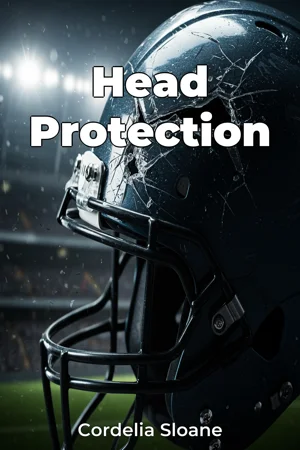
Are you truly aware of the invisible threats lurking within every impact, every fall, every sports collision? "Head Protection" delves into the critical subject of concussions and head injuries, conditions that subtly but significantly impair brain function. This book serves as a comprehensive guide to understanding, preventing, and mitigating the long-term damage associated with head trauma. The core of "Head Protection" revolves around three interconnected pillars: the biomechanics of head injuries, the proactive role of protective equipment (helmets), and the significance of cognitive preparedness through awareness and reaction time training. These topics are vital because head injuries are not isolated events; their cumulative effects can lead to chronic traumatic encephalopathy (CTE), cognitive decline, and a diminished quality of life. Understanding the mechanisms of injury, combined with preventative measures, is crucial for safeguarding neurological health across all age groups and activity levels. This book contextualizes head injuries within a framework of sports medicine, neuroscience, and public health. While a foundational understanding of basic anatomy is helpful, the book explains complex medical concepts in an accessible manner, making it useful to both general readers and those with some background knowledge. The central argument of "Head Protection" posits that mitigating the risk of long-term neurological damage from concussions and head injuries requires a multi-faceted approach. Simply relying on helmets is insufficient; a comprehensive strategy incorporates advanced helmet technology, a deep understanding of impact forces, and proactive cognitive training to improve reaction time and situational awareness. This holistic approach, the book argues, is the most effective way to protect the brain. The book is structured to guide the reader through a progressive understanding of the subject. It begins by introducing the anatomy of the head and brain, explaining how different types of impacts affect neurological function. The first major section assesses the biomechanics of concussions, detailing the forces involved in head injuries and the resulting damage at the cellular level. The second section focuses on helmets and other protective gear, reviewing their design principles, testing standards, and effectiveness in various scenarios. This includes analysis of different helmet types for specific activities, such as cycling, football, and construction work. The third key section addresses awareness and reaction time, providing practical methods for improving cognitive function and reducing the risk of injury through enhanced decision-making skills. The book then culminates in a synthesis of these elements, arguing for the adoption of a comprehensive head protection strategy. Finally, it explores real-world applications across various sectors, from sports organizations to workplace safety programs. The evidence presented in "Head Protection" relies on a wide variety of research, including biomechanical studies, clinical trials, epidemiological data, and case studies. Unique data sources include the latest research on helmet technology and cognitive training programs. Methodologies encompass meta-analyses of existing studies, as well as original research findings. "Head Protection" is inherently interdisciplinary, connecting psychology through the study of cognitive function, health and fitness via preventative training programs, and engineering through the design and testing of protective equipment. This interdisciplinary approach provides a richer understanding of the complex factors contributing to head injuries and their prevention. This book stands out through its dedication to synthesizing scientific findings with practical, actionable advice. Rather than simply presenting research, "Head Protection" offers a roadmap for readers to implement effective strategies for brain protection in their own lives and communities. The tone of "Head Protection" is informative, authoritative, and accessible. It avoids jargon and presents complex information in a clear, concise manner, while remaining scientifically rigorous. The book is targeted toward athletes, coaches, parents, healthcare professionals, and anyone concerned about brain health and injury prevention. It offers them a valuable resource for understanding the risks of head injuries and taking proactive steps to minimize those risks. As a work of non-fiction in the genres of Psychology, Health & Fitness, Health Fitness, "Head Protection" adheres to the conventions of evidence-based analysis and practical application. It aims to be a resource that is both scientifically credible and personally relevant. The scope of "Head Protection" is focused on the prevention and mitigation of concussion and traumatic brain injury. While it touches on treatment options, its primary emphasis is on proactive strategies. The information presented in "Head Protection" can be applied in numerous real-world settings. Athletes can use it to inform their training and equipment choices. Coaches can implement it to develop safer training protocols. Parents can use it to advocate for better safety measures in schools and sports leagues. Employers can adopt it to protect workers in hazardous occupations. While there is broad agreement on the importance of head protection, ongoing debates exist regarding the efficacy of different helmet designs and the optimal strategies for managing concussions. "Head Protection" addresses these controversies by presenting a balanced view of the evidence and exploring the limitations of current knowledge.
Are you truly aware of the invisible threats lurking within every impact, every fall, every sports collision? "Head Protection" delves into the critical subject of concussions and head injuries, conditions that subtly but significantly impair brain function. This book serves as a comprehensive guide to understanding, preventing, and mitigating the long-term damage associated with head trauma. The core of "Head Protection" revolves around three interconnected pillars: the biomechanics of head injuries, the proactive role of protective equipment (helmets), and the significance of cognitive preparedness through awareness and reaction time training. These topics are vital because head injuries are not isolated events; their cumulative effects can lead to chronic traumatic encephalopathy (CTE), cognitive decline, and a diminished quality of life. Understanding the mechanisms of injury, combined with preventative measures, is crucial for safeguarding neurological health across all age groups and activity levels. This book contextualizes head injuries within a framework of sports medicine, neuroscience, and public health. While a foundational understanding of basic anatomy is helpful, the book explains complex medical concepts in an accessible manner, making it useful to both general readers and those with some background knowledge. The central argument of "Head Protection" posits that mitigating the risk of long-term neurological damage from concussions and head injuries requires a multi-faceted approach. Simply relying on helmets is insufficient; a comprehensive strategy incorporates advanced helmet technology, a deep understanding of impact forces, and proactive cognitive training to improve reaction time and situational awareness. This holistic approach, the book argues, is the most effective way to protect the brain. The book is structured to guide the reader through a progressive understanding of the subject. It begins by introducing the anatomy of the head and brain, explaining how different types of impacts affect neurological function. The first major section assesses the biomechanics of concussions, detailing the forces involved in head injuries and the resulting damage at the cellular level. The second section focuses on helmets and other protective gear, reviewing their design principles, testing standards, and effectiveness in various scenarios. This includes analysis of different helmet types for specific activities, such as cycling, football, and construction work. The third key section addresses awareness and reaction time, providing practical methods for improving cognitive function and reducing the risk of injury through enhanced decision-making skills. The book then culminates in a synthesis of these elements, arguing for the adoption of a comprehensive head protection strategy. Finally, it explores real-world applications across various sectors, from sports organizations to workplace safety programs. The evidence presented in "Head Protection" relies on a wide variety of research, including biomechanical studies, clinical trials, epidemiological data, and case studies. Unique data sources include the latest research on helmet technology and cognitive training programs. Methodologies encompass meta-analyses of existing studies, as well as original research findings. "Head Protection" is inherently interdisciplinary, connecting psychology through the study of cognitive function, health and fitness via preventative training programs, and engineering through the design and testing of protective equipment. This interdisciplinary approach provides a richer understanding of the complex factors contributing to head injuries and their prevention. This book stands out through its dedication to synthesizing scientific findings with practical, actionable advice. Rather than simply presenting research, "Head Protection" offers a roadmap for readers to implement effective strategies for brain protection in their own lives and communities. The tone of "Head Protection" is informative, authoritative, and accessible. It avoids jargon and presents complex information in a clear, concise manner, while remaining scientifically rigorous. The book is targeted toward athletes, coaches, parents, healthcare professionals, and anyone concerned about brain health and injury prevention. It offers them a valuable resource for understanding the risks of head injuries and taking proactive steps to minimize those risks. As a work of non-fiction in the genres of Psychology, Health & Fitness, Health Fitness, "Head Protection" adheres to the conventions of evidence-based analysis and practical application. It aims to be a resource that is both scientifically credible and personally relevant. The scope of "Head Protection" is focused on the prevention and mitigation of concussion and traumatic brain injury. While it touches on treatment options, its primary emphasis is on proactive strategies. The information presented in "Head Protection" can be applied in numerous real-world settings. Athletes can use it to inform their training and equipment choices. Coaches can implement it to develop safer training protocols. Parents can use it to advocate for better safety measures in schools and sports leagues. Employers can adopt it to protect workers in hazardous occupations. While there is broad agreement on the importance of head protection, ongoing debates exist regarding the efficacy of different helmet designs and the optimal strategies for managing concussions. "Head Protection" addresses these controversies by presenting a balanced view of the evidence and exploring the limitations of current knowledge.
"Head Protection" offers a comprehensive exploration of concussions and head injuries, emphasizing the critical need for understanding, prevention, and mitigation of long-term neurological damage. It highlights the biomechanics of head injuries, the importance of protective equipment like helmets, and the role of cognitive preparedness through reaction time training. Did you know that head injuries are not isolated events, and their cumulative effects can lead to conditions like chronic traumatic encephalopathy (CTE)? This book uniquely synthesizes sports medicine, neuroscience, and public health, making complex concepts accessible to a broad audience. The book takes a multi-faceted approach to head protection, arguing that relying solely on helmets is insufficient. It advocates for combining advanced helmet technology with a deep understanding of impact forces and proactive cognitive training. For example, just as athletes train their bodies, cognitive training can sharpen reaction time and situational awareness, reducing injury risk. "Head Protection" progresses from explaining head and brain anatomy to assessing the biomechanics of concussions, reviewing helmet designs, and providing methods for improving cognitive function. This holistic approach aims to equip readers with actionable strategies for brain protection.
Book Details
ISBN
9788235270726
Publisher
Publifye AS
Your Licenses
You don't own any licenses for this book
Purchase a license below to unlock this book and download the EPUB.
Purchase License
Select a tier to unlock this book
Need bulk licensing?
Contact us for enterprise agreements.