
About This Book
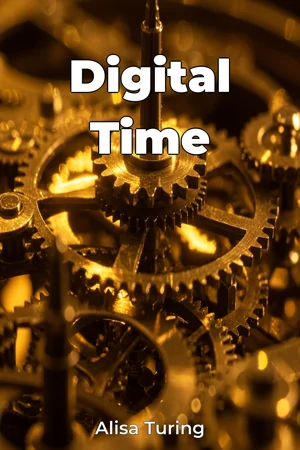
Have you ever considered how radically the simple concept of time has been reshaped by the digital realm? "Digital Time" explores this transformation, examining how our relationship with time has evolved from mechanical clocks to algorithmic calendars and AI-powered scheduling systems. This book investigates the multifaceted impact of digital technology on timekeeping, time management, and our overall perception of time itself, demonstrating how these changes affect productivity, social interactions, and even our cognitive processes. This exploration hinges on three key topics. First, the book analyzes the evolution of timekeeping tools, from the first digital clocks to the complex algorithms that now manage our schedules, scrutinizing how each technological advancement has changed our daily routines. Second, "Digital Time" examines the impact of digital technology on our perception of time, specifically looking at concepts such as "always-on" culture, digital presentism, and the blurring lines between work and leisure. Finally, the book investigates the rise of AI-driven scheduling tools and their ethical implications, addressing concerns about algorithmic bias, data privacy, and the potential for these tools to exacerbate existing inequalities. To understand these shifts, "Digital Time" provides historical context, tracing the development of timekeeping from ancient methods to the modern era. It also delves into the social theories that underpin our understanding of time, such as the concept of "social time" and the impact of industrialization on our relationship with the clock. The book is underpinned by the central argument that digital technology has not only changed how we measure time but has fundamentally altered our experience of it. It asserts that while digital tools offer unprecedented efficiency and convenience, they also present new challenges to our well-being, productivity, and social cohesion. "Digital Time" is structured to provide a comprehensive exploration of this topic. It begins by introducing the fundamental concepts of timekeeping and time perception, laying the groundwork for understanding the digital revolution. The book then develops its arguments through three major sections: the history of digital timekeeping, the psychological impact of digital time, and the ethical considerations of AI-driven scheduling. Finally, the book culminates by exploring the practical implications of digital time for individuals, organizations, and society as a whole. It will offer strategies for managing digital time more effectively and mitigating its negative consequences. The evidence and research presented will draw from diverse sources, including historical records of timekeeping technologies, empirical studies on the psychological effects of digital media, and case studies of organizations that have implemented AI-driven scheduling systems. The book will also incorporate data from surveys and interviews with individuals about their experiences with digital time. This book also recognizes the interdisciplinary nature of the subject matter. It connects to fields such as psychology, sociology, and business management, demonstrating how digital time affects individual well-being, social structures, and organizational performance. It also engages with philosophy by exploring the nature of time itself. "Digital Time" offers a unique perspective by integrating technological analysis with social and psychological insights. It avoids techno-utopian or dystopian narratives, instead offering a balanced assessment of the opportunities and challenges presented by digital time. Written in a clear and accessible style, "Digital Time" is aimed at a broad audience, including students, professionals, and anyone interested in understanding how technology shapes our lives. It will be valuable to those seeking to improve their time management skills, understand the impact of technology on their well-being, or make informed decisions about the use of digital tools. As a work of non-fiction, "Digital Time" adheres to the genre's conventions of accuracy, objectivity, and evidence-based argumentation. While the book aims to provide a comprehensive overview of digital time, it does not delve into the technical details of specific software or hardware. Instead, it focuses on the broader social and psychological implications of these technologies. The information in the book can be applied practically by readers seeking to improve their time management skills, reduce stress, and enhance their overall well-being in the digital age. The book addresses ongoing debates about the impact of technology on work-life balance, the ethics of algorithmic decision-making, and the potential for digital tools to exacerbate social inequalities.
Have you ever considered how radically the simple concept of time has been reshaped by the digital realm? "Digital Time" explores this transformation, examining how our relationship with time has evolved from mechanical clocks to algorithmic calendars and AI-powered scheduling systems. This book investigates the multifaceted impact of digital technology on timekeeping, time management, and our overall perception of time itself, demonstrating how these changes affect productivity, social interactions, and even our cognitive processes. This exploration hinges on three key topics. First, the book analyzes the evolution of timekeeping tools, from the first digital clocks to the complex algorithms that now manage our schedules, scrutinizing how each technological advancement has changed our daily routines. Second, "Digital Time" examines the impact of digital technology on our perception of time, specifically looking at concepts such as "always-on" culture, digital presentism, and the blurring lines between work and leisure. Finally, the book investigates the rise of AI-driven scheduling tools and their ethical implications, addressing concerns about algorithmic bias, data privacy, and the potential for these tools to exacerbate existing inequalities. To understand these shifts, "Digital Time" provides historical context, tracing the development of timekeeping from ancient methods to the modern era. It also delves into the social theories that underpin our understanding of time, such as the concept of "social time" and the impact of industrialization on our relationship with the clock. The book is underpinned by the central argument that digital technology has not only changed how we measure time but has fundamentally altered our experience of it. It asserts that while digital tools offer unprecedented efficiency and convenience, they also present new challenges to our well-being, productivity, and social cohesion. "Digital Time" is structured to provide a comprehensive exploration of this topic. It begins by introducing the fundamental concepts of timekeeping and time perception, laying the groundwork for understanding the digital revolution. The book then develops its arguments through three major sections: the history of digital timekeeping, the psychological impact of digital time, and the ethical considerations of AI-driven scheduling. Finally, the book culminates by exploring the practical implications of digital time for individuals, organizations, and society as a whole. It will offer strategies for managing digital time more effectively and mitigating its negative consequences. The evidence and research presented will draw from diverse sources, including historical records of timekeeping technologies, empirical studies on the psychological effects of digital media, and case studies of organizations that have implemented AI-driven scheduling systems. The book will also incorporate data from surveys and interviews with individuals about their experiences with digital time. This book also recognizes the interdisciplinary nature of the subject matter. It connects to fields such as psychology, sociology, and business management, demonstrating how digital time affects individual well-being, social structures, and organizational performance. It also engages with philosophy by exploring the nature of time itself. "Digital Time" offers a unique perspective by integrating technological analysis with social and psychological insights. It avoids techno-utopian or dystopian narratives, instead offering a balanced assessment of the opportunities and challenges presented by digital time. Written in a clear and accessible style, "Digital Time" is aimed at a broad audience, including students, professionals, and anyone interested in understanding how technology shapes our lives. It will be valuable to those seeking to improve their time management skills, understand the impact of technology on their well-being, or make informed decisions about the use of digital tools. As a work of non-fiction, "Digital Time" adheres to the genre's conventions of accuracy, objectivity, and evidence-based argumentation. While the book aims to provide a comprehensive overview of digital time, it does not delve into the technical details of specific software or hardware. Instead, it focuses on the broader social and psychological implications of these technologies. The information in the book can be applied practically by readers seeking to improve their time management skills, reduce stress, and enhance their overall well-being in the digital age. The book addresses ongoing debates about the impact of technology on work-life balance, the ethics of algorithmic decision-making, and the potential for digital tools to exacerbate social inequalities.
"Digital Time" explores how digital technology has fundamentally reshaped our perception and management of time, transitioning from mechanical clocks to AI-driven algorithmic scheduling. The book investigates the evolution of timekeeping tools, the psychological impacts of "always-on" culture and digital presentism, and the ethical considerations surrounding AI scheduling, including algorithmic bias and data privacy. Did you know that our relationship with time has evolved so dramatically that it now affects not only our productivity but also our social interactions and cognitive processes? The book provides historical context, tracing the development of timekeeping and social theories of time. It's structured to offer a comprehensive exploration, starting with fundamental concepts, then delving into the history of digital timekeeping, its psychological impact, and the ethical considerations of AI. By integrating technological analysis with social and psychological insights, "Digital Time" offers a balanced assessment of the opportunities and challenges of digital time.
Book Details
ISBN
9788235270665
Publisher
Publifye AS
Your Licenses
You don't own any licenses for this book
Purchase a license below to unlock this book and download the EPUB.
Purchase License
Select a tier to unlock this book
Need bulk licensing?
Contact us for enterprise agreements.