
About This Book
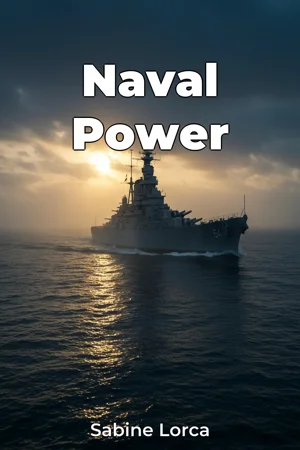
How did the U.S. Navy transform from a fledgling fleet into a global superpower, and what impact did this ascent have on international relations and technological advancement? "Naval Power" explores the multifaceted evolution of the U.S. Navy, detailing its crucial role in shaping modern history and driving innovation. This book examines the navy's rise to prominence, its involvement in major global conflicts, and the relentless technological innovations that have defined its capabilities. Understanding these aspects is critical to grasping the dynamics of 20th and 21st-century geopolitics, military strategy, and technological progress. The central argument of "Naval Power" posits that the U.S. Navy's growth is inextricably linked to the nation's evolving global ambitions and its commitment to technological advancement. The book demonstrates how the navy served as a key instrument of American foreign policy, projecting power and influence across the globe. Furthermore, it asserts that the constant drive for superior naval technology has not only defined the U.S. Navy's dominance but also spurred broader technological advancements with implications far beyond military applications. "Naval Power" unfolds through a structured narrative that begins with the navy's origins and traces its development through key historical periods. The book first introduces the foundational elements of naval strategy, technology, and organization. It then delves into distinct eras, examining the navy's role in the World Wars, the Cold War, and contemporary conflicts. Each era is analyzed to reveal how the navy adapted to new threats and leveraged technological innovations to maintain its strategic edge. The book culminates by assessing the current state of the U.S. Navy and projecting future trends in naval warfare and technology. The analysis is grounded in extensive research drawn from naval archives, historical documents, technological reports, and firsthand accounts from naval personnel. Quantitative data, such as shipbuilding statistics and comparative assessments of naval technology, are employed to bolster the claims made. "Naval Power" connects to various disciplines, including political science, international relations, and technological studies. The book's exploration of naval strategy intersects with political science theories of power projection and international security. Its examination of technological innovation links to the study of technological diffusion and its impact on society. Additionally, the book's analysis of naval operations in different historical contexts connects to broader studies of military history and strategic decision-making. The book offers a comprehensive and balanced perspective on the U.S. Navy, avoiding both jingoistic glorification and unwarranted criticism. Instead, it seeks to provide a nuanced understanding of the navy's role in shaping global events and driving technological change. The tone is academic yet accessible, aiming to engage both scholars and general readers interested in military history and naval affairs. The target audience for "Naval Power" includes historians, political scientists, military strategists, and anyone interested in the history of the U.S. Navy and its impact on the world. The book will be valuable to readers seeking a deeper understanding of the complex interplay between naval power, technological innovation, and international politics. As a work of military history, "Naval Power" adheres to the genre's conventions of rigorous research, objective analysis, and detailed documentation. It provides specific examples, case studies, and historical accounts to support its arguments. The book's scope is intentionally broad, covering the major periods and technological developments in the U.S. Navy's history. However, it does not delve into highly specific tactical details or biographical accounts of individual naval officers, focusing instead on broader strategic and technological trends. The insights in "Naval Power" are applicable to contemporary debates about military spending, technological development, and international security. The book offers valuable lessons for policymakers, military planners, and anyone seeking to understand the enduring significance of naval power in the modern world. Furthermore, it engages with ongoing debates about the future of naval warfare, including the rise of cyber warfare and unmanned systems.
How did the U.S. Navy transform from a fledgling fleet into a global superpower, and what impact did this ascent have on international relations and technological advancement? "Naval Power" explores the multifaceted evolution of the U.S. Navy, detailing its crucial role in shaping modern history and driving innovation. This book examines the navy's rise to prominence, its involvement in major global conflicts, and the relentless technological innovations that have defined its capabilities. Understanding these aspects is critical to grasping the dynamics of 20th and 21st-century geopolitics, military strategy, and technological progress. The central argument of "Naval Power" posits that the U.S. Navy's growth is inextricably linked to the nation's evolving global ambitions and its commitment to technological advancement. The book demonstrates how the navy served as a key instrument of American foreign policy, projecting power and influence across the globe. Furthermore, it asserts that the constant drive for superior naval technology has not only defined the U.S. Navy's dominance but also spurred broader technological advancements with implications far beyond military applications. "Naval Power" unfolds through a structured narrative that begins with the navy's origins and traces its development through key historical periods. The book first introduces the foundational elements of naval strategy, technology, and organization. It then delves into distinct eras, examining the navy's role in the World Wars, the Cold War, and contemporary conflicts. Each era is analyzed to reveal how the navy adapted to new threats and leveraged technological innovations to maintain its strategic edge. The book culminates by assessing the current state of the U.S. Navy and projecting future trends in naval warfare and technology. The analysis is grounded in extensive research drawn from naval archives, historical documents, technological reports, and firsthand accounts from naval personnel. Quantitative data, such as shipbuilding statistics and comparative assessments of naval technology, are employed to bolster the claims made. "Naval Power" connects to various disciplines, including political science, international relations, and technological studies. The book's exploration of naval strategy intersects with political science theories of power projection and international security. Its examination of technological innovation links to the study of technological diffusion and its impact on society. Additionally, the book's analysis of naval operations in different historical contexts connects to broader studies of military history and strategic decision-making. The book offers a comprehensive and balanced perspective on the U.S. Navy, avoiding both jingoistic glorification and unwarranted criticism. Instead, it seeks to provide a nuanced understanding of the navy's role in shaping global events and driving technological change. The tone is academic yet accessible, aiming to engage both scholars and general readers interested in military history and naval affairs. The target audience for "Naval Power" includes historians, political scientists, military strategists, and anyone interested in the history of the U.S. Navy and its impact on the world. The book will be valuable to readers seeking a deeper understanding of the complex interplay between naval power, technological innovation, and international politics. As a work of military history, "Naval Power" adheres to the genre's conventions of rigorous research, objective analysis, and detailed documentation. It provides specific examples, case studies, and historical accounts to support its arguments. The book's scope is intentionally broad, covering the major periods and technological developments in the U.S. Navy's history. However, it does not delve into highly specific tactical details or biographical accounts of individual naval officers, focusing instead on broader strategic and technological trends. The insights in "Naval Power" are applicable to contemporary debates about military spending, technological development, and international security. The book offers valuable lessons for policymakers, military planners, and anyone seeking to understand the enduring significance of naval power in the modern world. Furthermore, it engages with ongoing debates about the future of naval warfare, including the rise of cyber warfare and unmanned systems.
"Naval Power" examines the U.S. Navy's evolution into a global superpower, exploring its profound impact on international relations and technological advancement. This book details how the navy became a crucial instrument in shaping modern history. For example, the U.S. Navy's development spurred broader technological advancements with implications far beyond military applications. It also analyzes the navy's role in major global conflicts, such as the World Wars and the Cold War. The book progresses through key historical periods, starting with the navy's origins and foundational elements of naval strategy. Each era reveals how the navy adapted to new threats and leveraged innovations like naval technology to maintain its strategic edge. The book uses extensive research from naval archives and historical documents to provide a balanced perspective on the U.S. Navy's role in shaping global events and driving technological change, making it a valuable resource for understanding military history and naval affairs.
Book Details
ISBN
9788235270610
Publisher
Publifye AS
Your Licenses
You don't own any licenses for this book
Purchase a license below to unlock this book and download the EPUB.
Purchase License
Select a tier to unlock this book
Need bulk licensing?
Contact us for enterprise agreements.