
About This Book
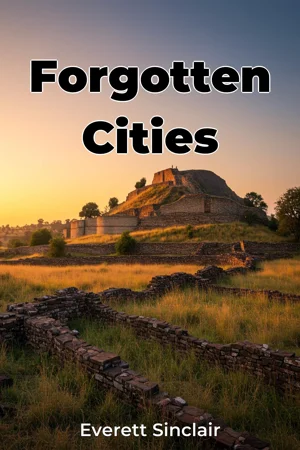
What if the textbooks of history have overlooked crucial chapters, concealing the rise and fall of complex societies in Africa? "Forgotten Cities" embarks on a journey to unearth the lost urban centers of the African continent, exploring their sophisticated architecture, significant economic roles, and the intricate reasons behind their eventual decline. This book argues that understanding these forgotten metropolises is crucial to a more complete and nuanced understanding of world history and the development of urbanism itself. The central topics explored include the architectural innovations of African cities, their economic systems within regional and global trade networks, and an analysis of the environmental, political, and social factors that led to their abandonment or transformation. Each city serves as a case study, revealing the ingenuity and resilience of the societies that built and sustained them. We examine not just the physical structures, but also the social, cultural, and economic systems that gave these cities life. This investigation necessitates a multidisciplinary approach, drawing from archaeology, historical texts (where available), and modern climate science to reconstruct the stories of these urban centers. We delve into trade routes, agricultural practices, and the complex political landscapes that shaped their destinies. The book's core argument is that the decline of these cities was rarely due to a single cause, but rather a confluence of factors, often exacerbated by external pressures like climate change, resource depletion, or political instability. The book is structured in three major sections. The first section introduces the concept of "forgotten cities" and establishes a framework for understanding urban decline across different historical contexts. It also outlines the methodologies used to reconstruct the histories of these sites, acknowledging the challenges of limited textual evidence and the importance of archaeological interpretation. The second section presents detailed case studies of several key cities across different regions of Africa, such as Great Zimbabwe, Aksum, and various Swahili city-states, examining their architectural achievements, trade networks, and the factors contributing to their decline. Each case study incorporates archaeological findings, historical accounts, and environmental data to provide a comprehensive narrative. The third section synthesizes the findings from the case studies to identify common patterns and unique circumstances that influenced the trajectory of these urban centers. It explores the broader implications for understanding urban development, environmental sustainability, and the complexities of historical change. The evidence presented includes archaeological surveys, analyses of building materials and construction techniques, assessments of trade artifacts, and reconstructions of past environmental conditions (such as rainfall patterns and vegetation cover). The book also incorporates oral histories and local traditions where available, recognizing their value in supplementing the archaeological record. The study of "Forgotten Cities" inherently connects to fields such as urban planning, environmental studies, and post-colonial studies. Examining the successes and failures of these historical urban centers offers valuable lessons for contemporary urban development and sustainability. Understanding the impact of climate change and resource management on past societies provides critical insights for addressing current environmental challenges. Furthermore, acknowledging the contributions of African civilizations to global history challenges Eurocentric perspectives and promotes a more inclusive and accurate understanding of the past. This book adopts a narrative non-fiction style, aiming to make complex historical and archaeological information accessible to a broad audience. While grounded in rigorous research, the writing seeks to engage the reader with compelling stories and vivid descriptions of these lost urban landscapes. The intended audience includes anyone interested in history, archaeology, urban studies, and African studies. It will appeal to readers seeking a more comprehensive and nuanced understanding of African history beyond the often-simplistic narratives presented in mainstream media. "Forgotten Cities" offers a fresh perspective on the past, revealing the ingenuity, resilience, and complex histories of often-overlooked civilizations. The scope of the book is limited to cities that have experienced significant decline or abandonment, focusing on those with substantial archaeological evidence and historical significance. While it acknowledges the existence of many other urban centers across the continent, the book prioritizes in-depth analysis of selected case studies. The real-world application of the book lies in its ability to inform contemporary urban planning, environmental management, and historical preservation efforts. By understanding the factors that contributed to the decline of past cities, we can better address the challenges facing urban centers today.
What if the textbooks of history have overlooked crucial chapters, concealing the rise and fall of complex societies in Africa? "Forgotten Cities" embarks on a journey to unearth the lost urban centers of the African continent, exploring their sophisticated architecture, significant economic roles, and the intricate reasons behind their eventual decline. This book argues that understanding these forgotten metropolises is crucial to a more complete and nuanced understanding of world history and the development of urbanism itself. The central topics explored include the architectural innovations of African cities, their economic systems within regional and global trade networks, and an analysis of the environmental, political, and social factors that led to their abandonment or transformation. Each city serves as a case study, revealing the ingenuity and resilience of the societies that built and sustained them. We examine not just the physical structures, but also the social, cultural, and economic systems that gave these cities life. This investigation necessitates a multidisciplinary approach, drawing from archaeology, historical texts (where available), and modern climate science to reconstruct the stories of these urban centers. We delve into trade routes, agricultural practices, and the complex political landscapes that shaped their destinies. The book's core argument is that the decline of these cities was rarely due to a single cause, but rather a confluence of factors, often exacerbated by external pressures like climate change, resource depletion, or political instability. The book is structured in three major sections. The first section introduces the concept of "forgotten cities" and establishes a framework for understanding urban decline across different historical contexts. It also outlines the methodologies used to reconstruct the histories of these sites, acknowledging the challenges of limited textual evidence and the importance of archaeological interpretation. The second section presents detailed case studies of several key cities across different regions of Africa, such as Great Zimbabwe, Aksum, and various Swahili city-states, examining their architectural achievements, trade networks, and the factors contributing to their decline. Each case study incorporates archaeological findings, historical accounts, and environmental data to provide a comprehensive narrative. The third section synthesizes the findings from the case studies to identify common patterns and unique circumstances that influenced the trajectory of these urban centers. It explores the broader implications for understanding urban development, environmental sustainability, and the complexities of historical change. The evidence presented includes archaeological surveys, analyses of building materials and construction techniques, assessments of trade artifacts, and reconstructions of past environmental conditions (such as rainfall patterns and vegetation cover). The book also incorporates oral histories and local traditions where available, recognizing their value in supplementing the archaeological record. The study of "Forgotten Cities" inherently connects to fields such as urban planning, environmental studies, and post-colonial studies. Examining the successes and failures of these historical urban centers offers valuable lessons for contemporary urban development and sustainability. Understanding the impact of climate change and resource management on past societies provides critical insights for addressing current environmental challenges. Furthermore, acknowledging the contributions of African civilizations to global history challenges Eurocentric perspectives and promotes a more inclusive and accurate understanding of the past. This book adopts a narrative non-fiction style, aiming to make complex historical and archaeological information accessible to a broad audience. While grounded in rigorous research, the writing seeks to engage the reader with compelling stories and vivid descriptions of these lost urban landscapes. The intended audience includes anyone interested in history, archaeology, urban studies, and African studies. It will appeal to readers seeking a more comprehensive and nuanced understanding of African history beyond the often-simplistic narratives presented in mainstream media. "Forgotten Cities" offers a fresh perspective on the past, revealing the ingenuity, resilience, and complex histories of often-overlooked civilizations. The scope of the book is limited to cities that have experienced significant decline or abandonment, focusing on those with substantial archaeological evidence and historical significance. While it acknowledges the existence of many other urban centers across the continent, the book prioritizes in-depth analysis of selected case studies. The real-world application of the book lies in its ability to inform contemporary urban planning, environmental management, and historical preservation efforts. By understanding the factors that contributed to the decline of past cities, we can better address the challenges facing urban centers today.
"Forgotten Cities" unveils the overlooked urban centers of Africa, challenging conventional world history by exploring their sophisticated architecture and complex economic systems. These cities, such as Great Zimbabwe and the Swahili city-states, played pivotal roles in regional and global trade networks, showcasing the ingenuity and resilience of their societies. The book argues that their decline wasn't due to single events but a confluence of environmental factors, political instability, and resource depletion, highlighting the importance of historical preservation and environmental sustainability. The book adopts a multidisciplinary approach, drawing from archaeology, historical texts, and climate science to reconstruct these urban narratives. It examines trade routes, agricultural practices, and political landscapes to illustrate the multifaceted reasons behind urban decline. By presenting detailed case studies, "Forgotten Cities" identifies common patterns and unique circumstances that shaped the trajectory of these urban centers, offering valuable lessons for contemporary urban development and a more inclusive understanding of the past. The book progresses by first introducing the concept of "forgotten cities" and then presenting detailed case studies, culminating in a synthesis of findings that explore the broader implications for urban development and historical change. This journey offers readers a fresh perspective on African history, emphasizing the need to understand these lost metropolises for a more complete view of urbanism's evolution.
Book Details
ISBN
9788235270511
Publisher
Publifye AS
Your Licenses
You don't own any licenses for this book
Purchase a license below to unlock this book and download the EPUB.
Purchase License
Select a tier to unlock this book
Need bulk licensing?
Contact us for enterprise agreements.